
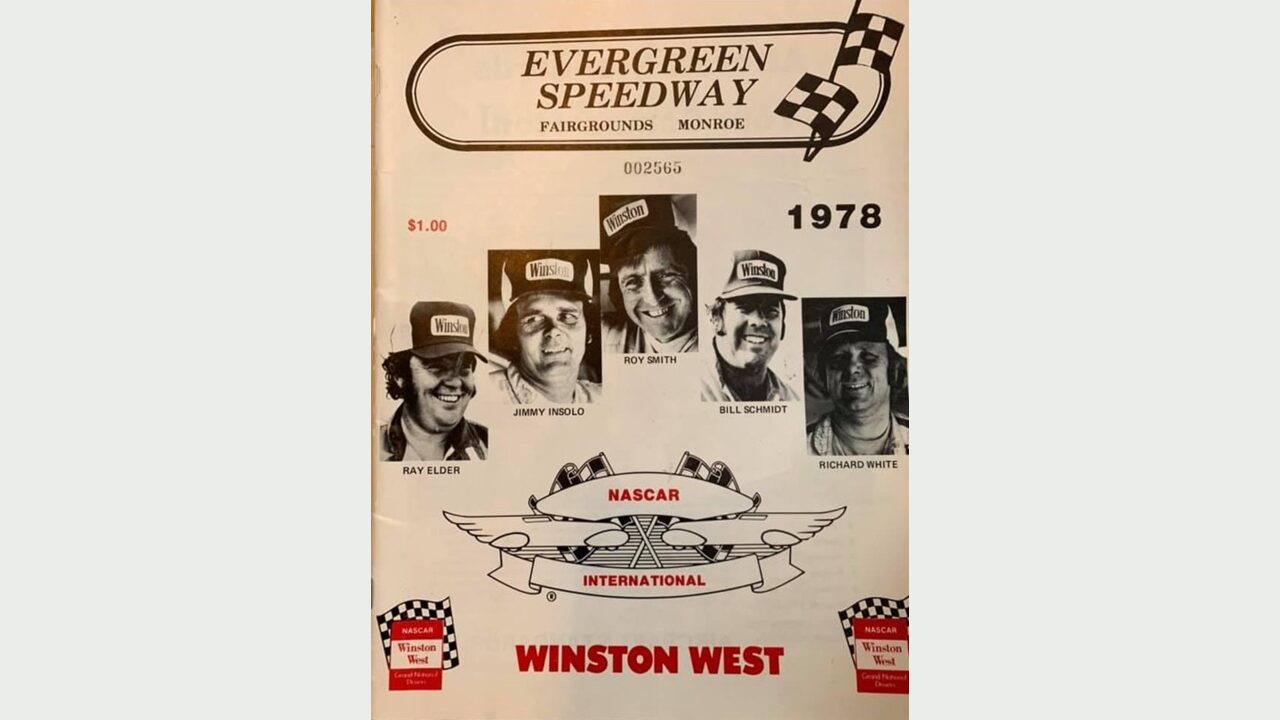
The OPEC Oil Embargo had a profound influence on sport, travel, and recreation throughout the U.S. In 1974, many feared racing could be banned for the first time since World War II. Competitors, spectators, fans, and the motorsports industry hoped normalcy would return to American motorsports as the 1975 season began.
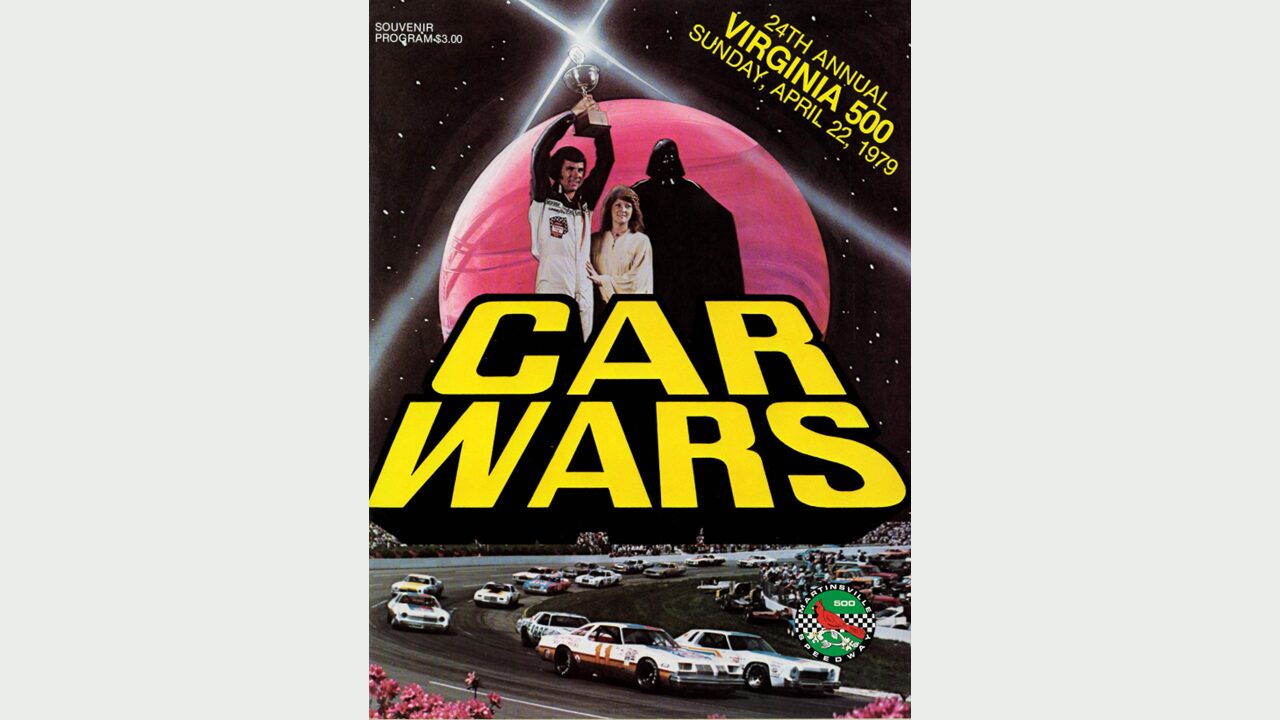
Normalcy, however, did not play out in 1975. Both on and off the track, lasting changes in how American motorsports was sanctioned, where events would take place, and how it reached the masses was markedly different in 1979 than when the first green flag waved in January 1975.

The NASCAR Winston West Series was no exception. In 1975, the winningest champion in Series history tacked on a sixth and final title before suddenly semi-retiring to the family farm. Meanwhile, an age-defying lumberman who began racing in 1945 was still getting warmed up.
A 41-year-old journeyman Californian picked up his first championship in 1977—only to win again in 1979. One of the most prolific Canadian stock car drivers of all-time won his first race, and a one-time Series champion made a monumental impact at California’s iconic Riverside International Raceway—in a fraction of a race.
Normalcy? What a time it was!
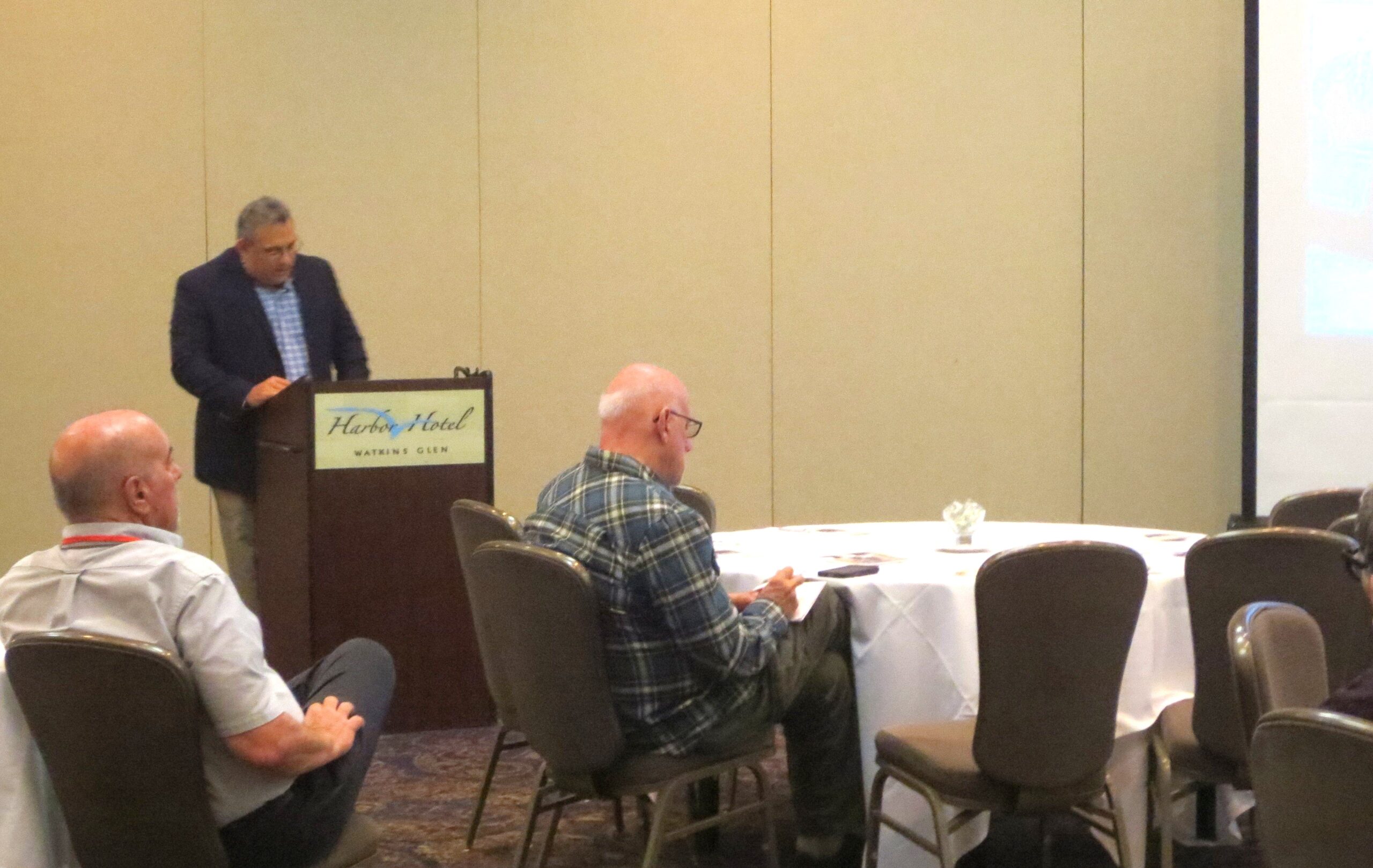
Dan Simone presenting at the 2025 Argetsinger Symposium, photo courtesy Bob Barr, SAH
Bio
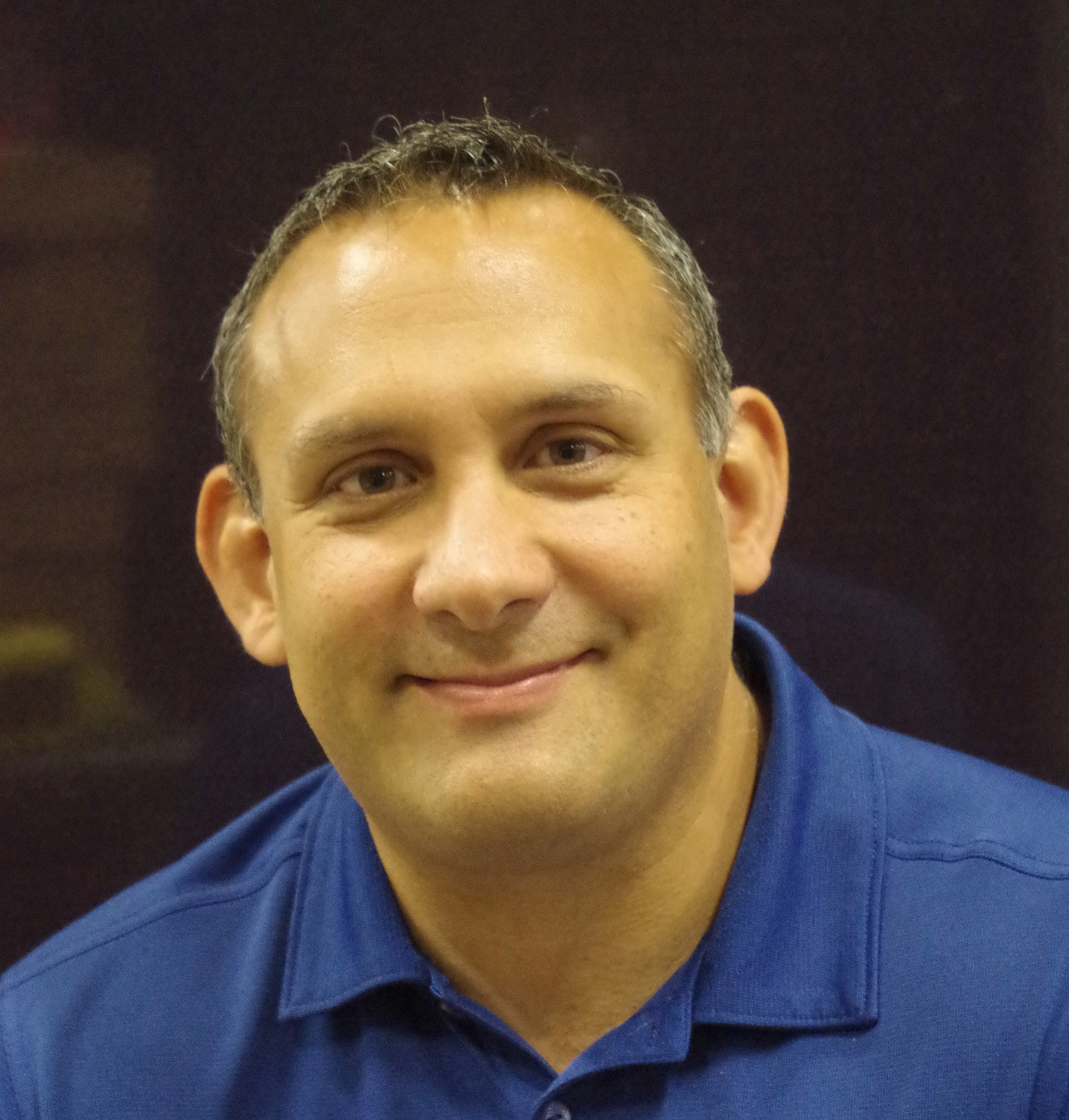
Daniel J. Simone earned his Ph.D. in American History from the University of Florida in 2009. From 2010-2015, Dr. Simone taught World History and Environmental History at Monmouth University. Curator of the NASCAR Hall of Fame in Charlotte, North Carolina, and held that position through 2021. The following year, he was tabbed to assist the New York Historical Society Museum & Library, where he co-processed the Women’s Sports Foundation Collection and developed content for digital exhibition. Dr. Simone is on the editorial board of the Journal of Motorsport Culture & History and serves on the Indianapolis Motor Speedway Hall of Fame Voting Committee.
Slides
Swipe left or right (or use the arrows/dots) to navigate through the presentation slides as you follow along with the episode.


This episode is sponsored in part by: The International Motor Racing Research Center (IMRRC), The Society of Automotive Historians (SAH), The Watkins Glen Area Chamber of Commerce, and the Argetsinger Family – and was recorded in front of a live studio audience. And has been Edited, Remastered and Produced in partnership with the Motoring Podcast Network.
Other episodes you might enjoy

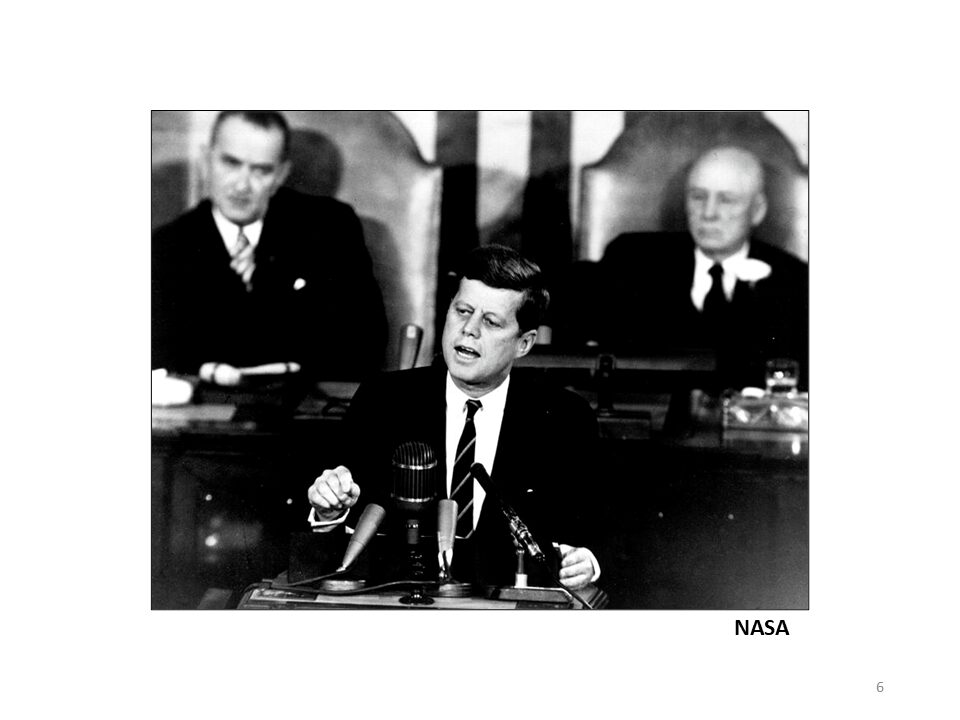
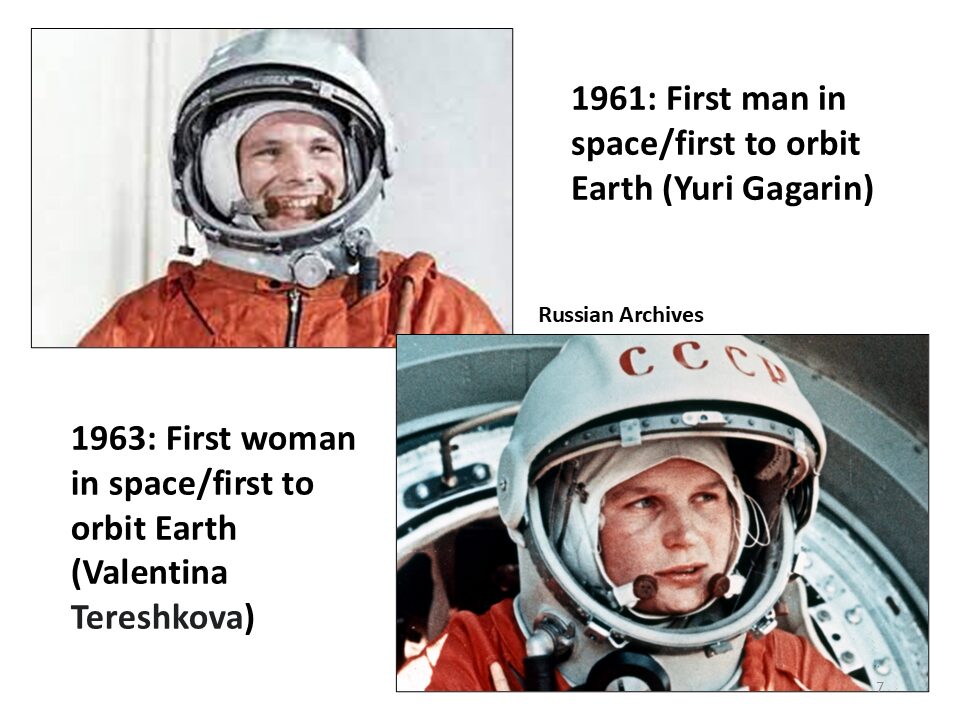
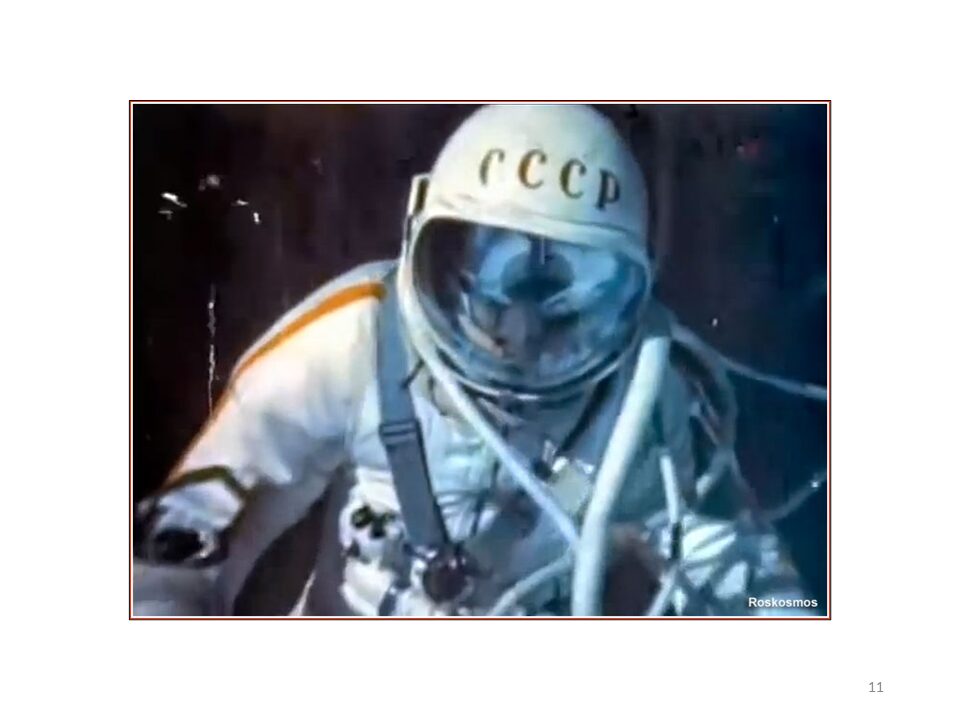
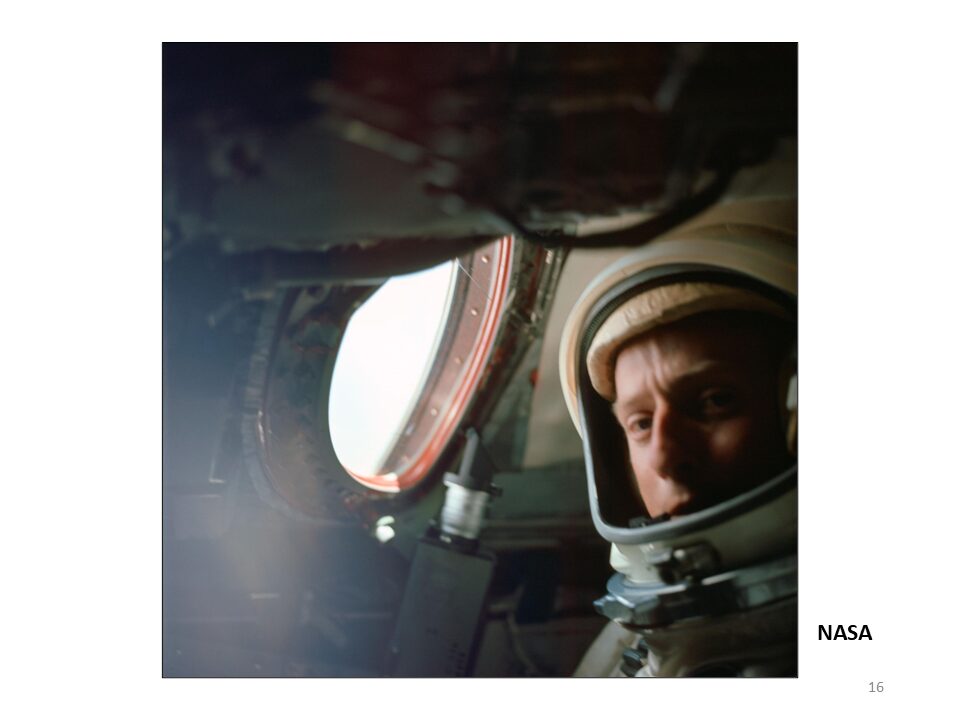
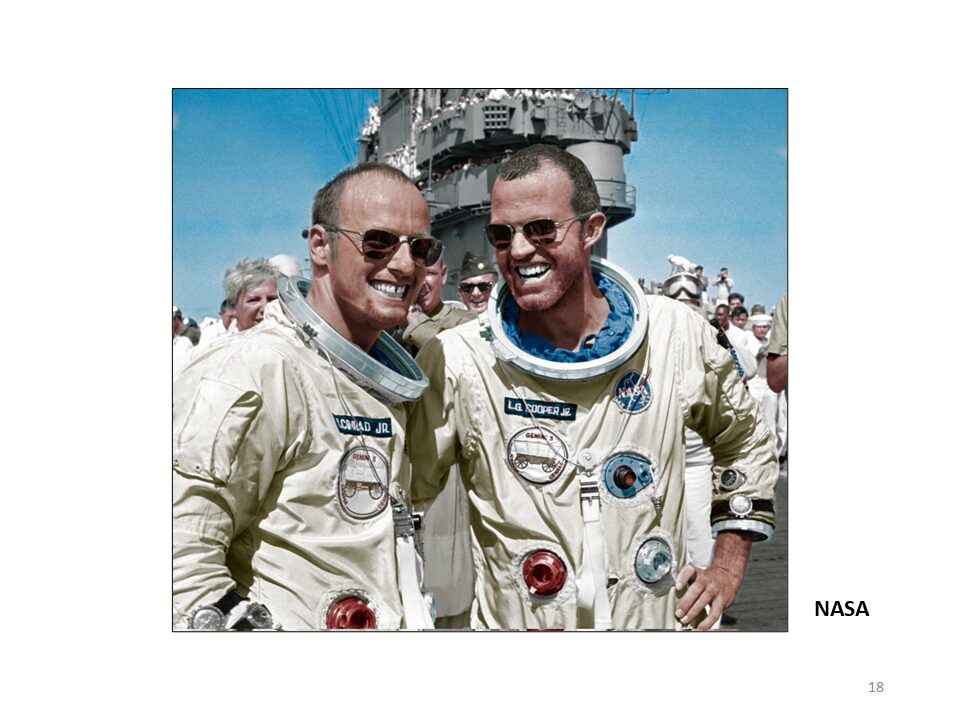
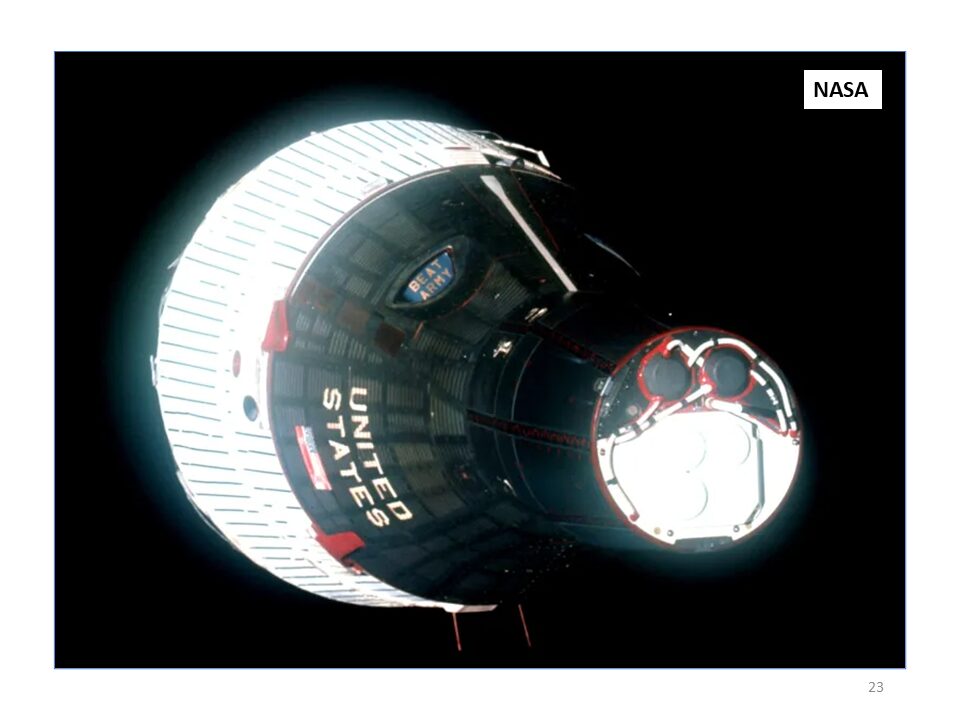
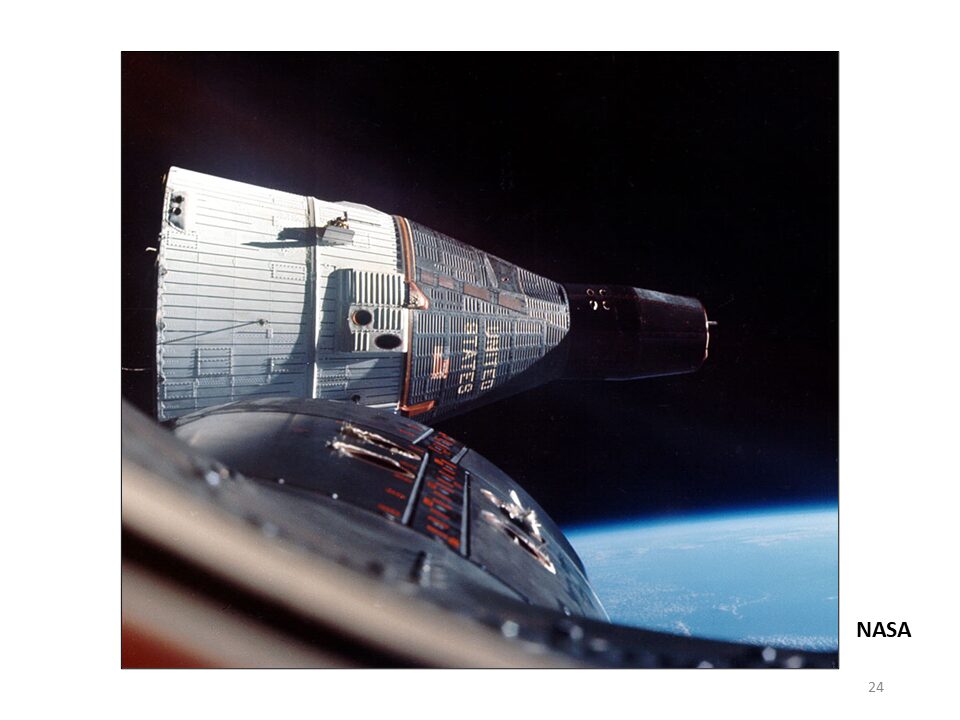
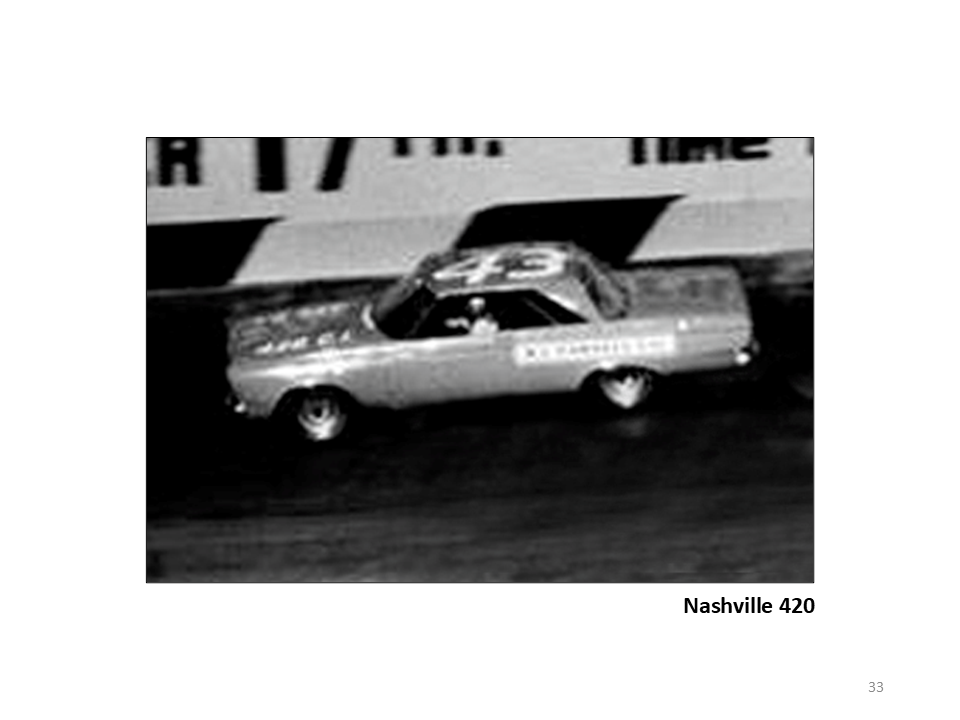
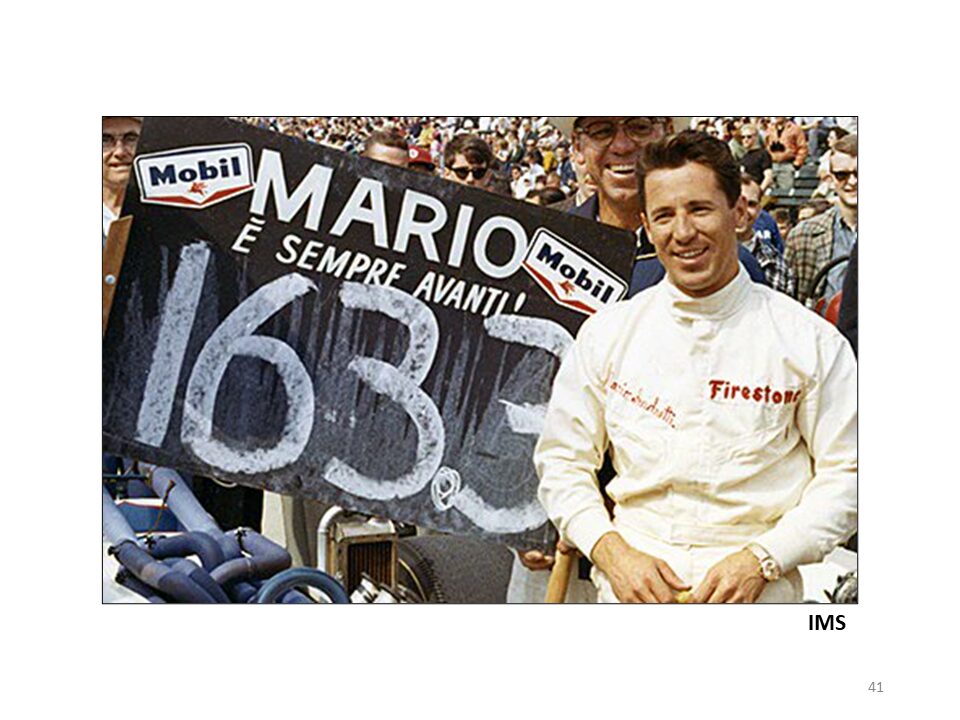
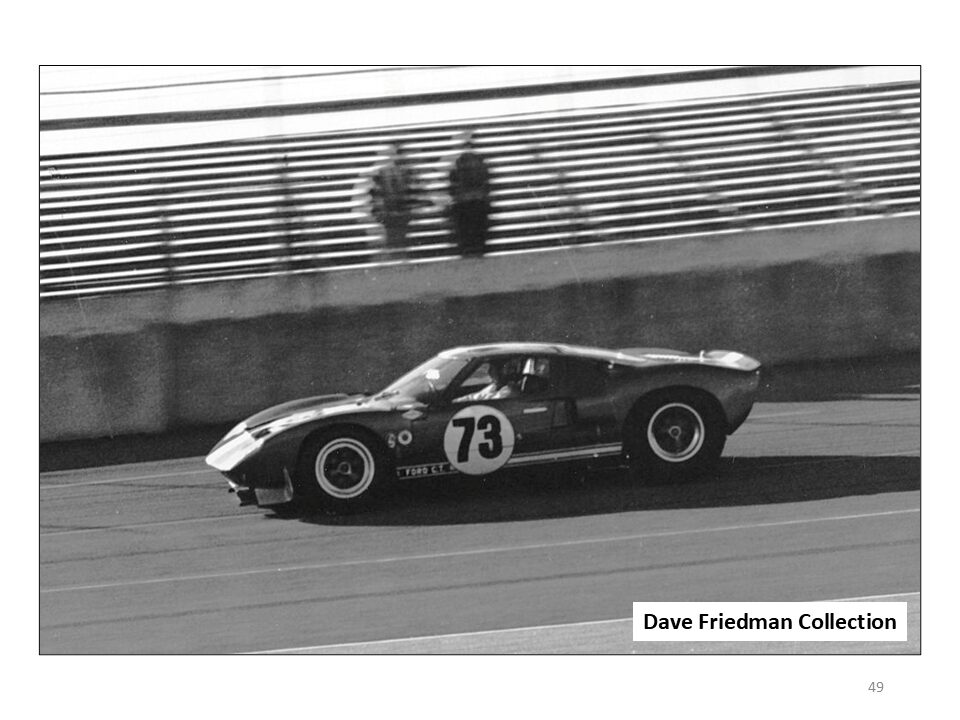
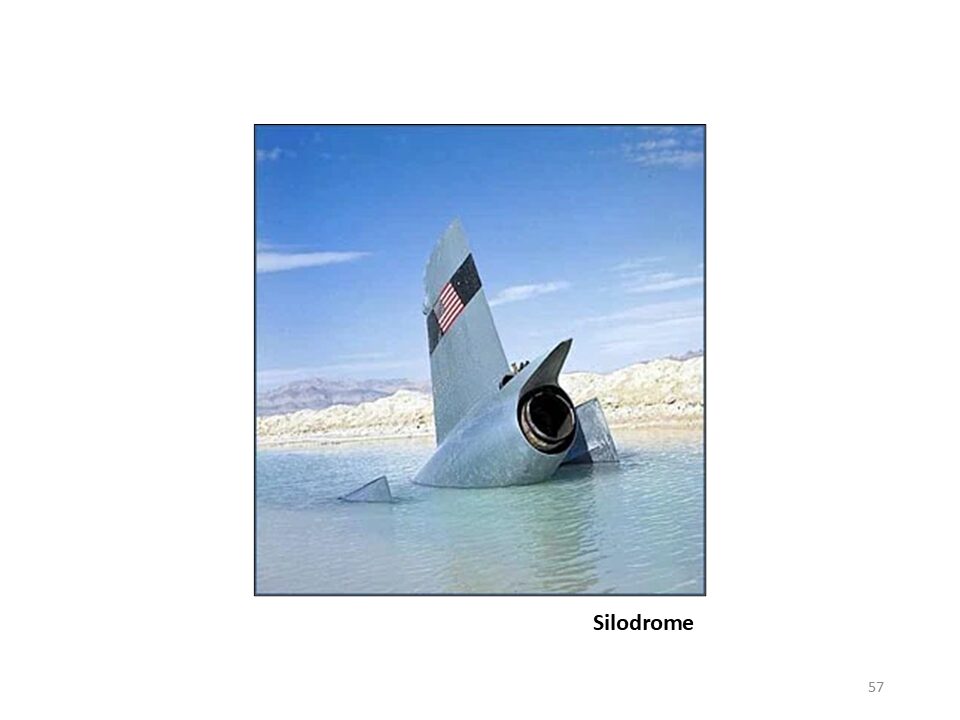
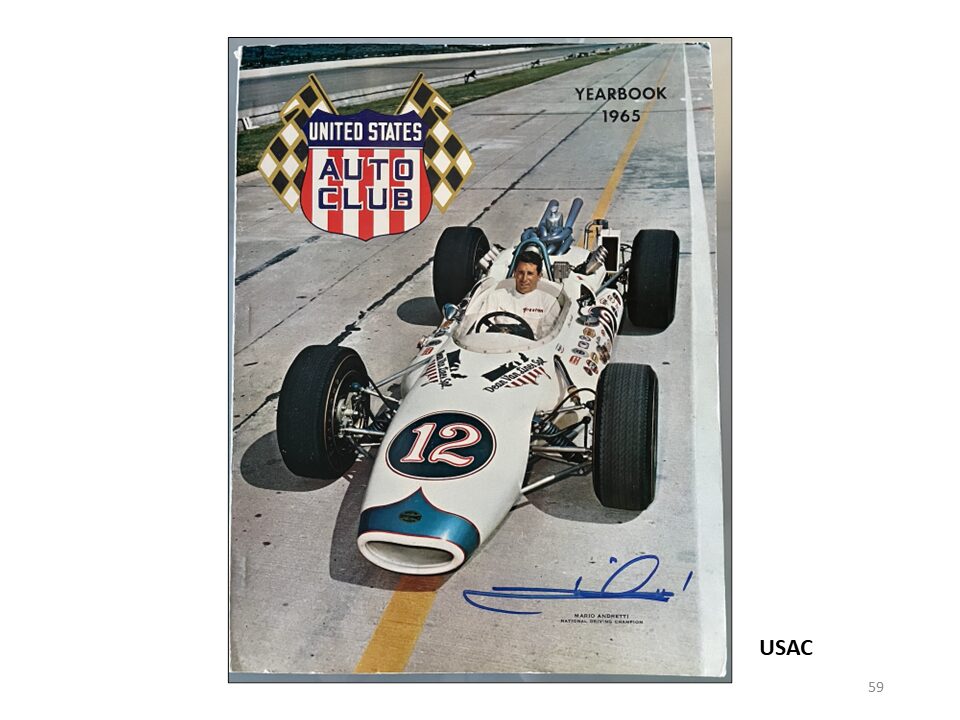
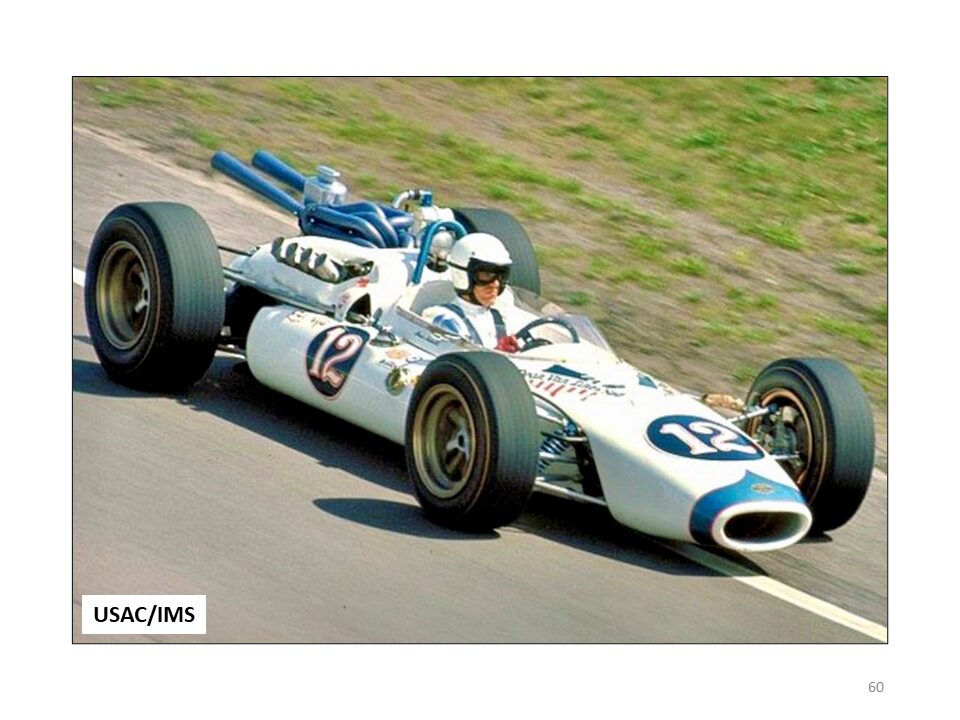
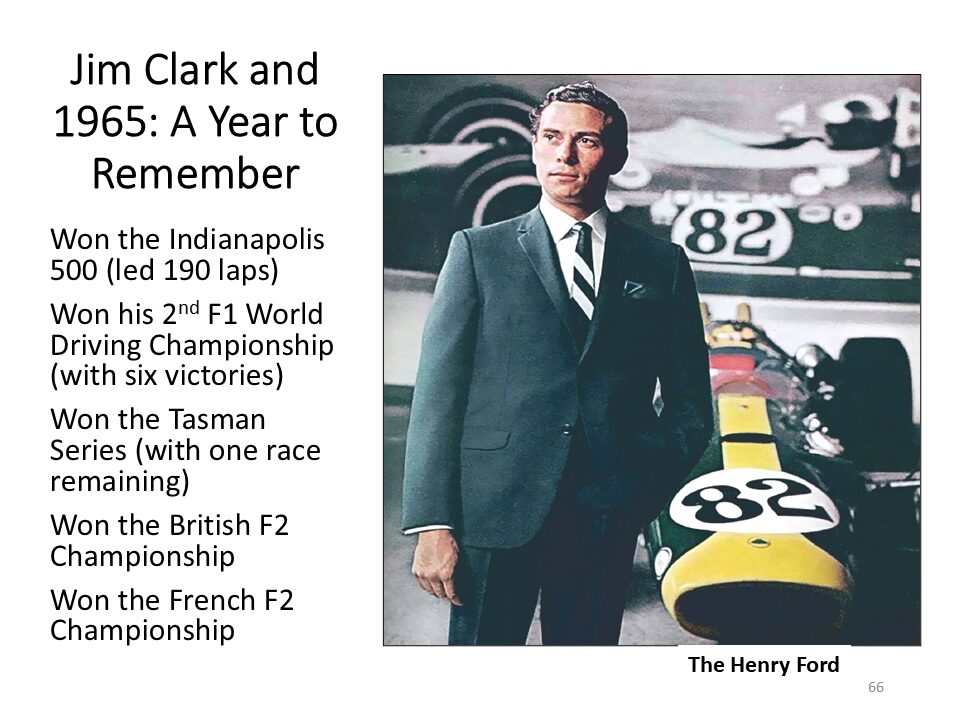
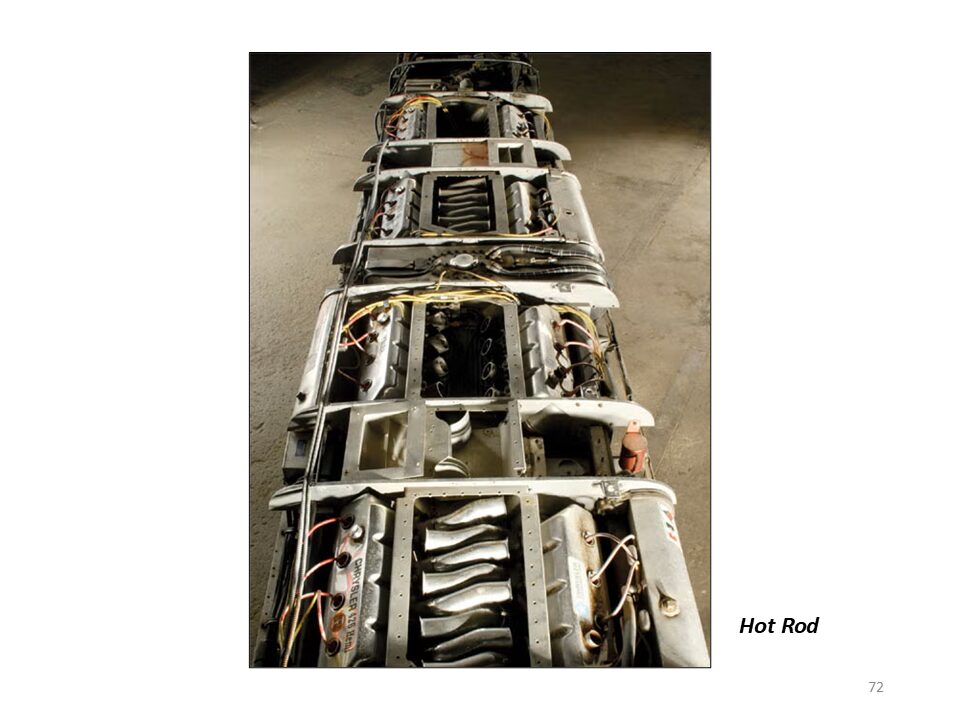
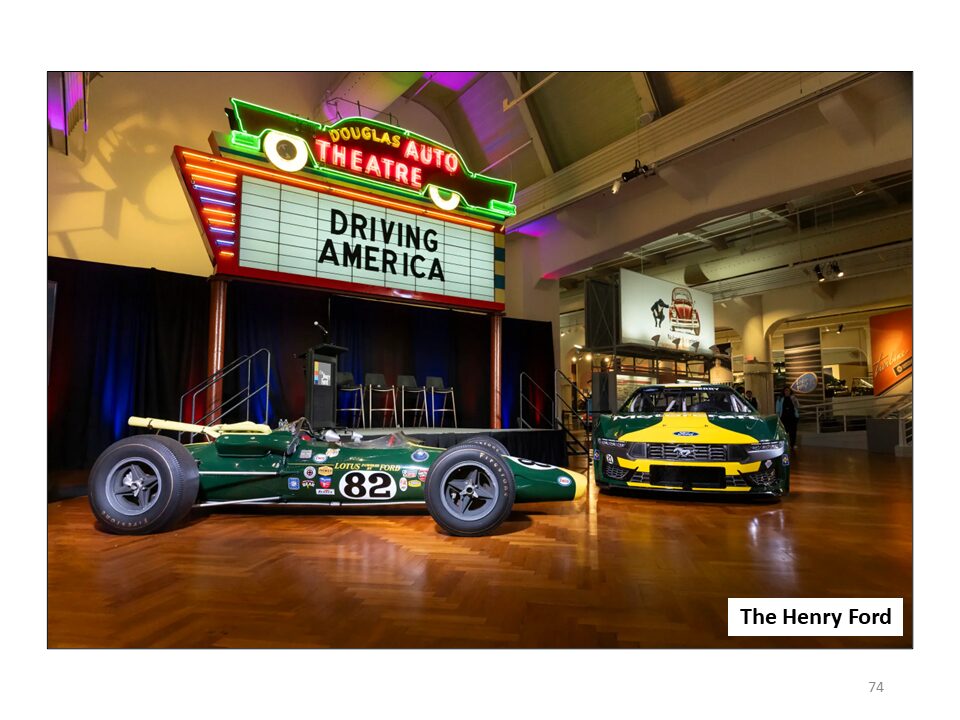
This presentation explores the sociocultural significance of 1965: one year when new technologies emerged, ambitious plans took shape, and history was made across multiple fronts in motorsports and space exploration.
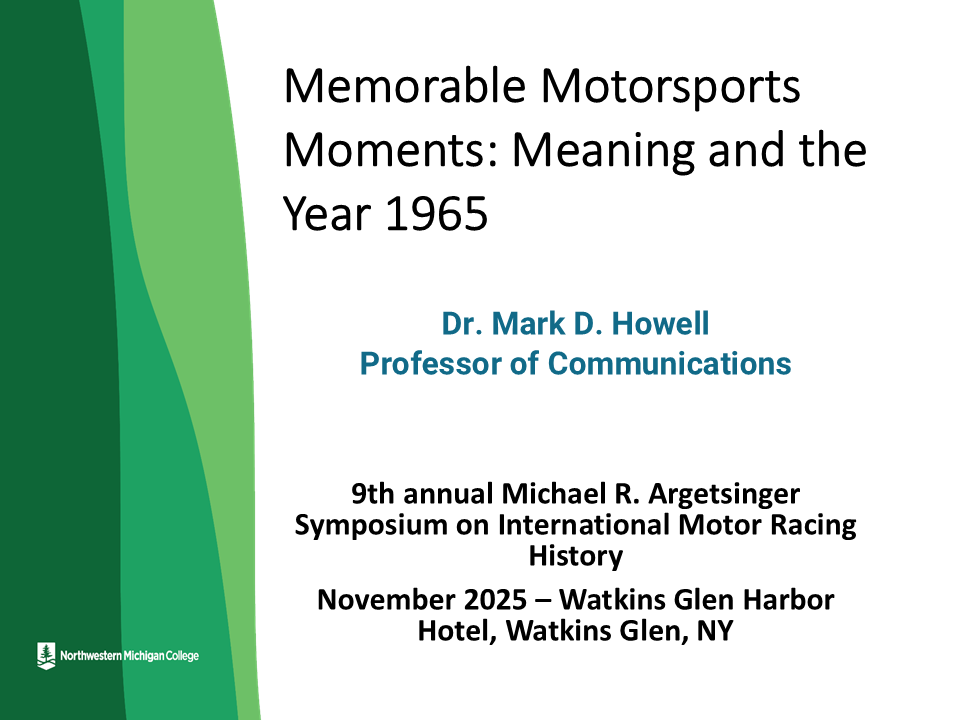
The discussion highlights groundbreaking motor racing events as well as significant space explorations of 1965. It also acknowledges the innovators who reshaped international motorsports sixty years ago – individuals and achievements that stand as defining forces in a pivotal year for motor racing history.
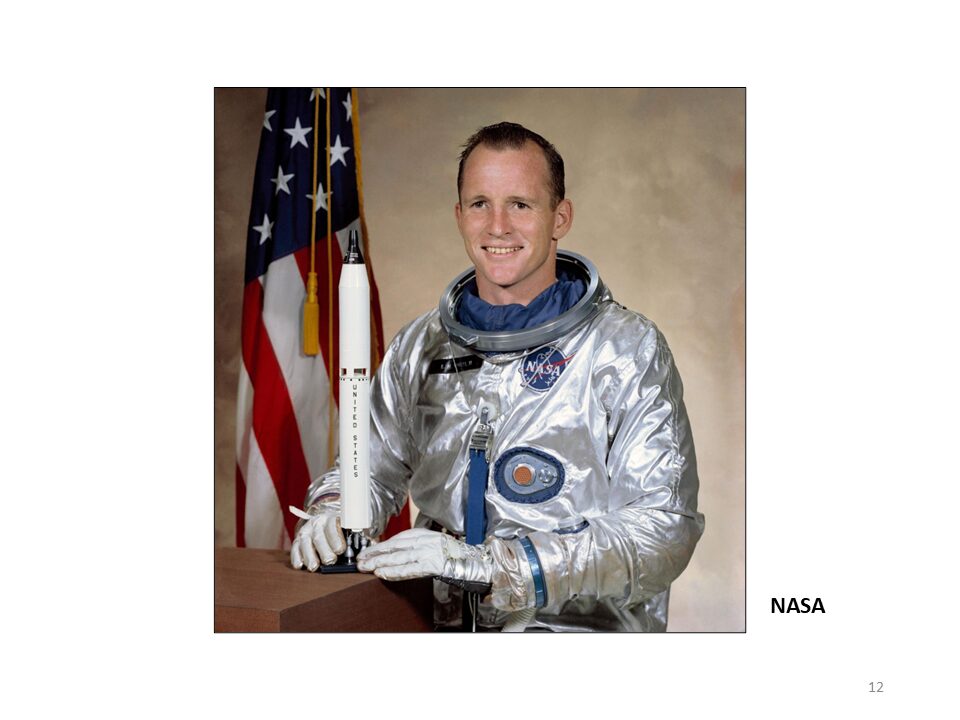
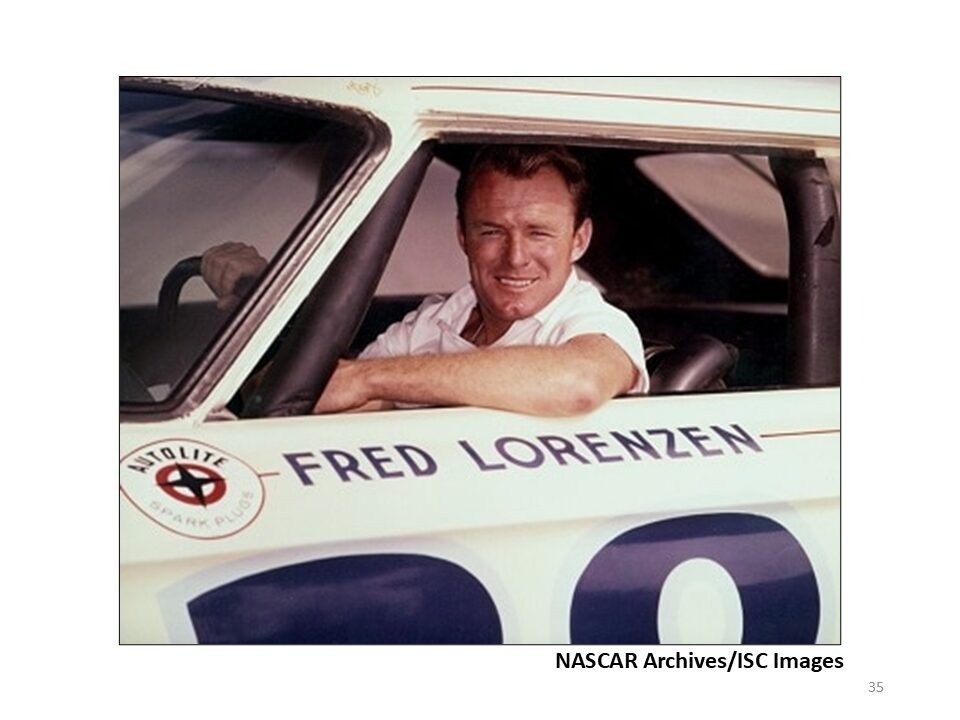
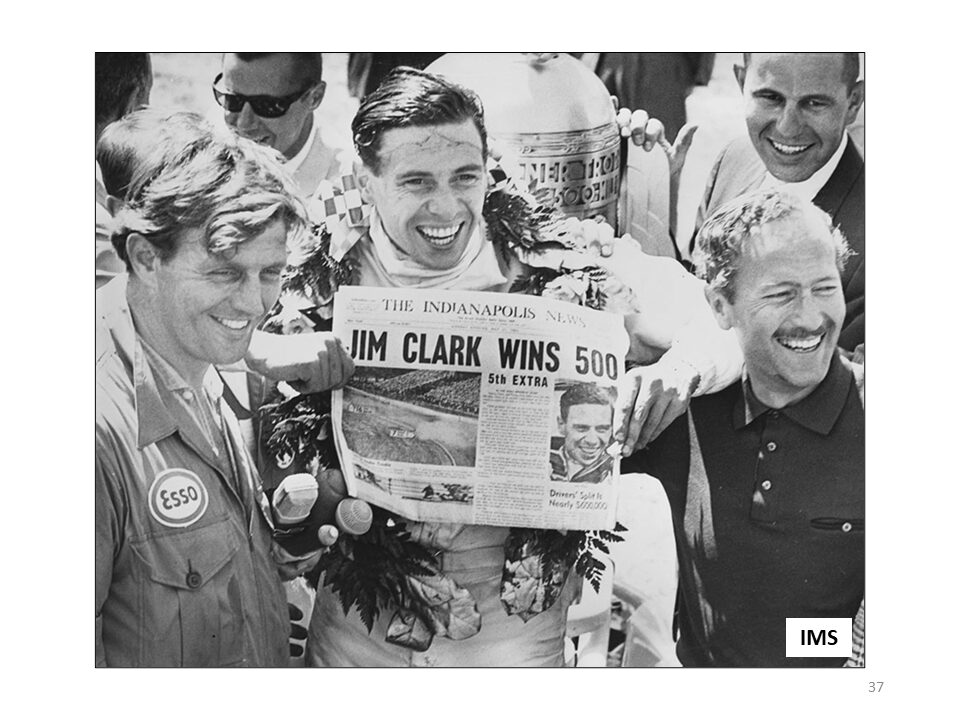
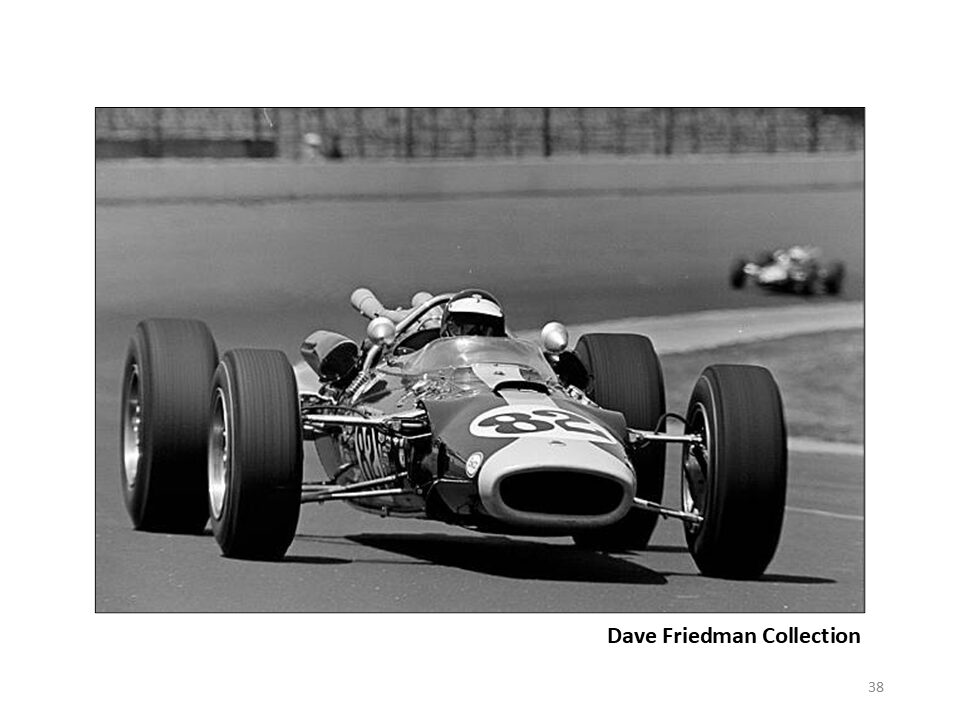
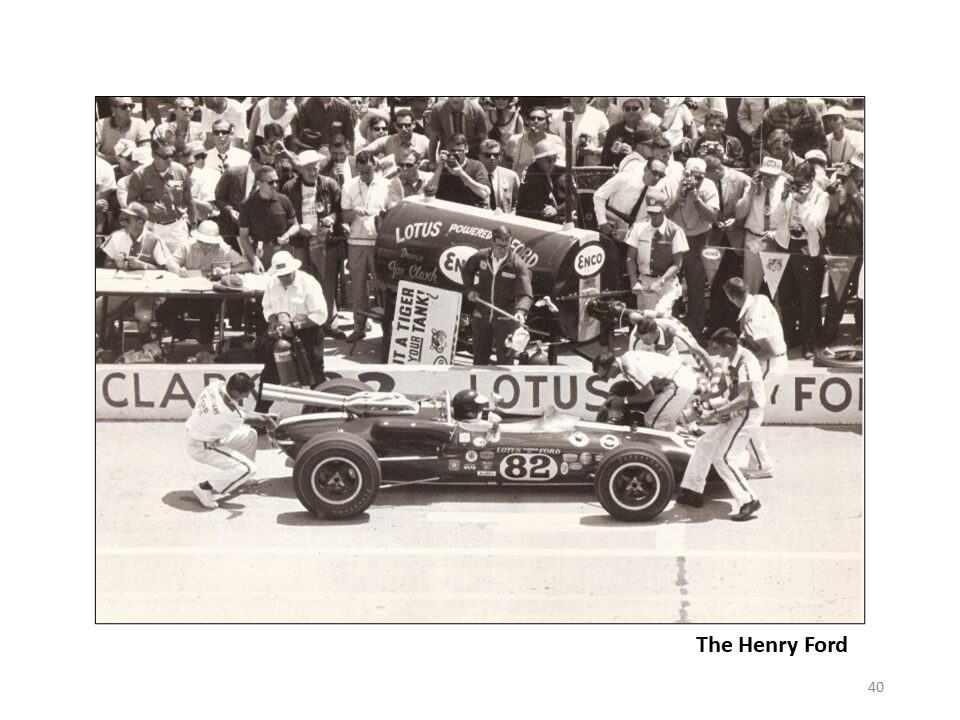
Dr. Howell proposes that the past six decades of motorsports and crewed space exploration were directly shaped by the innovations, inventions, and intentions of 1965. It was a year that showcased the exceptional talents of Fred Lorenzen, Frank Borman, Jim Clark, Ed White, Dan Gurney, Jim Lovell, and others, all while establishing a benchmark for the technological and competitive advances that followed. What was accomplished during 1965 continues to influence the areas of both motor racing and space exploration to this day.
Bio

Dr. Mark D. Howell has been involved with motorsports his entire life (thus far). He earned a BA in English in 1987 and an MA in American Studies in 1990 from Penn State, then earned a Ph.D. in American Culture Studies from Bowling Green State University in 1995. His dissertation evolved into From Moonshine to Madison Avenue: A Cultural History of the NASCAR Winston Cup Series, published in 1997. In 2014, Howell co-edited (with Dr. John Miller of Longwood University) Motorsports and American Culture: From Demolition Derbies to NASCAR.
Howell’s full-time job since August of 1997 has been as a Professor of Communications at Northwestern Michigan College in Traverse City. He spent two years before NMC as a Visiting Assistant Professor in the Department of American Thought and Language at Michigan State University. Mark has also taught advanced courses for Tiffin University, Oakland University, Ferris State University, and Davenport University. Dr. Howell is on the Board of Directors of the Society of Automotive Historians, and is editor of the SAH’s Automotive History Review.
Slides
Swipe left or right (or use the arrows/dots) to navigate through the presentation slides as you follow along with the episode.



























This episode is sponsored in part by: The International Motor Racing Research Center (IMRRC), The Society of Automotive Historians (SAH), The Watkins Glen Area Chamber of Commerce, and the Argetsinger Family – and was recorded in front of a live studio audience. And has been Edited, Remastered and Produced in partnership with the Motoring Podcast Network.
Other episodes you might enjoy
More details as we head into 2025; stay tuned. For now, visit NASCAR.com
During the last several months, the IMRRC has undertaken processing of the valuable and unique Joseph Braig Photographic Collection, which was donated to us for archival storage without limitations on usage by the Braig family. We prepared a presentation of the material for viewing by Mr. Braig’s widow and extended family when they made a formal visit to the IMRRC in April. This collection is expected to be a major asset to the IMRRC’s photographic resources and will be used in exhibits, presentations, and made available for reproduction, with attribution, under the terms of our fee structure.
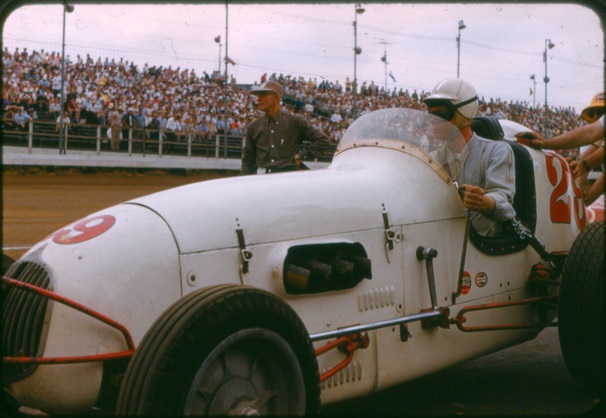 Don Edmunds at Langthorne


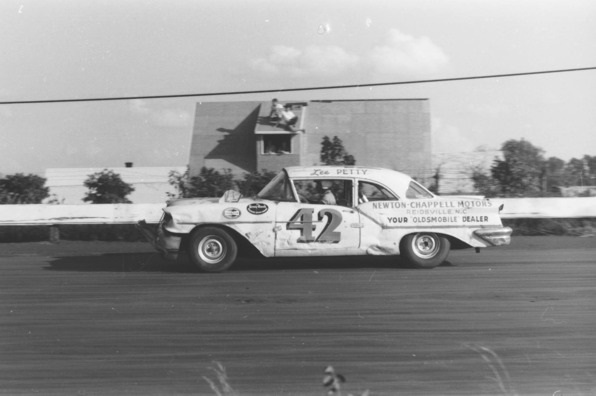
Joe Braig was a skilled photographer who was employed by National Speed Sport News, a publication that served as a virtual bible for American motorsports. His rare pictorial documentation of a unique period in motorsport history is the only collection of this scope and quantity known to exist. Joe Blinebury, Jr., noted motorsports historian, characterized this collection as a “collector’s treasure” and of “museum quality.” Chris Economaki, editor and publisher of National Speed Sport News, a major figure in American motorsports who became a close friend of Mr. Braig, said, “Joe’s photos are among the very best we ever published.”
In addition to fascinating scrapbooks maintained by Mr. Braig, the collection consists primarily of many hundreds of individual prints and digital images, the latter often accompanied by contact sheets, of primarily dirt and asphalt oval track motor racing subjects from Langhorne, Williams Grove, Reading Fairgrounds, Trenton, Indianapolis, and other classic oval tracks from the 1950s to the 1980s.
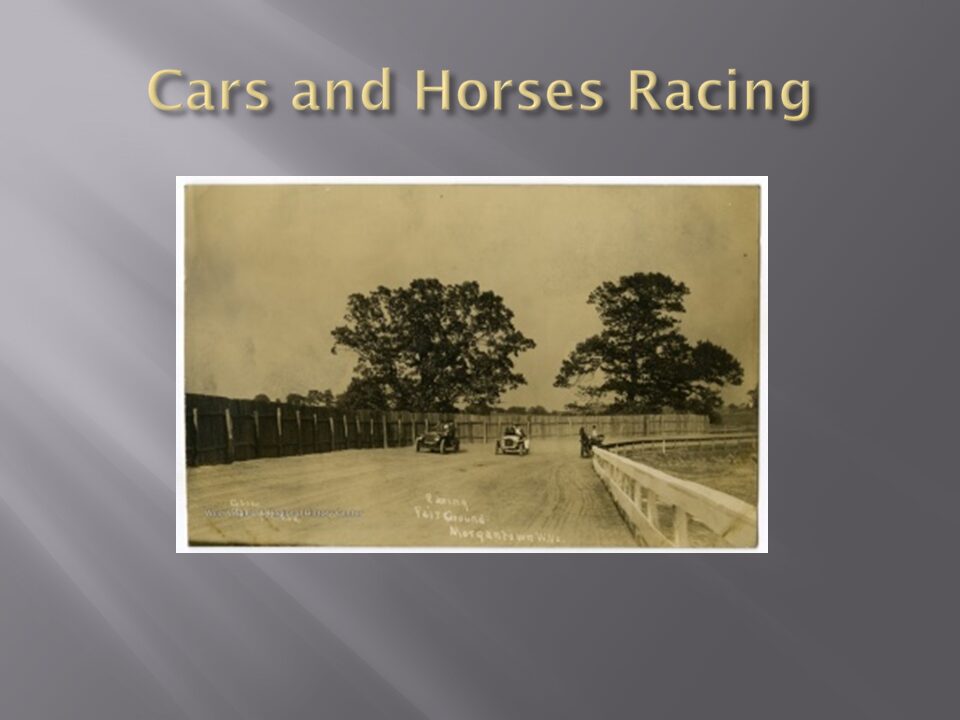
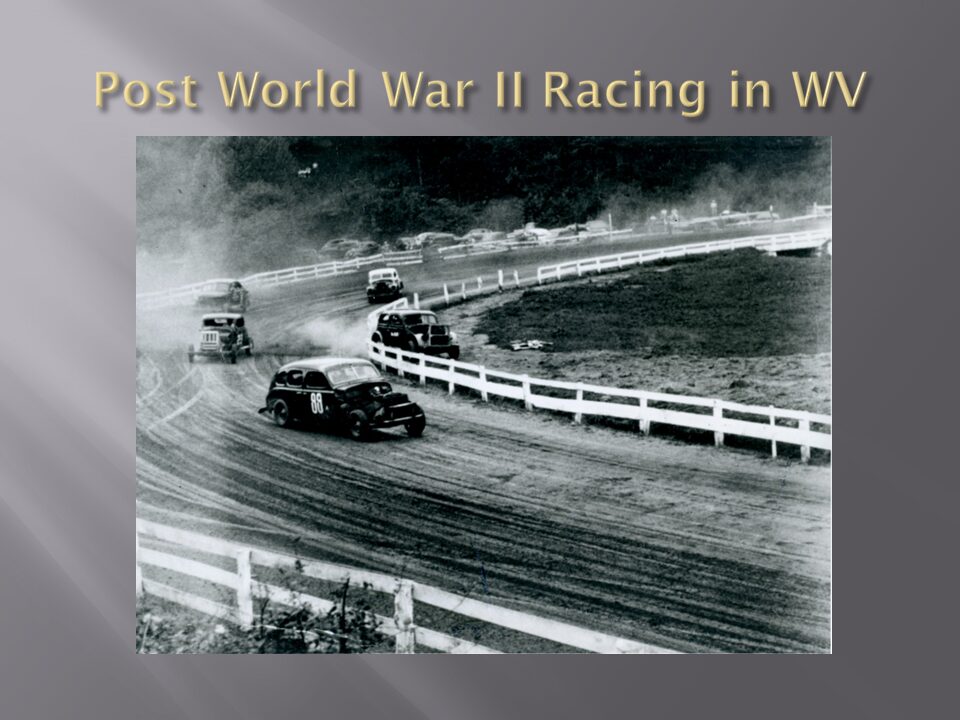
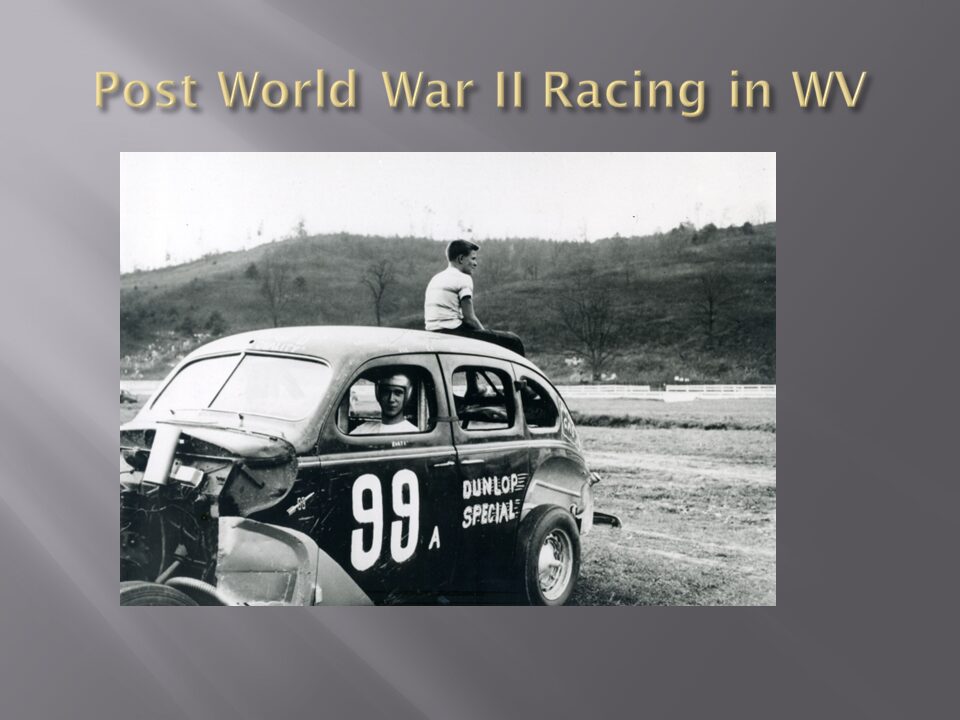
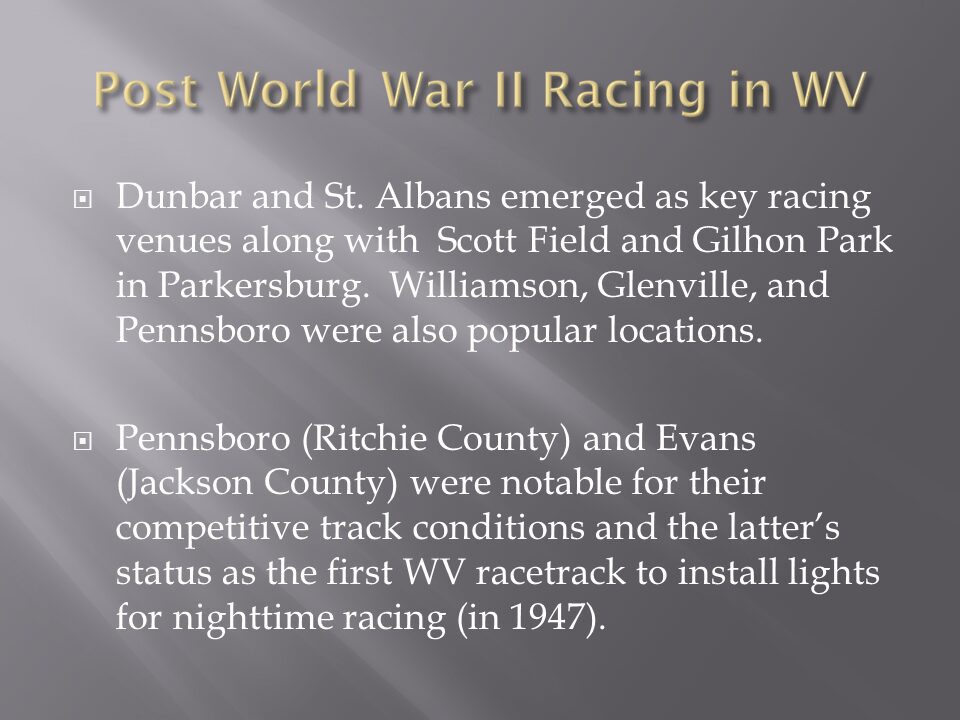
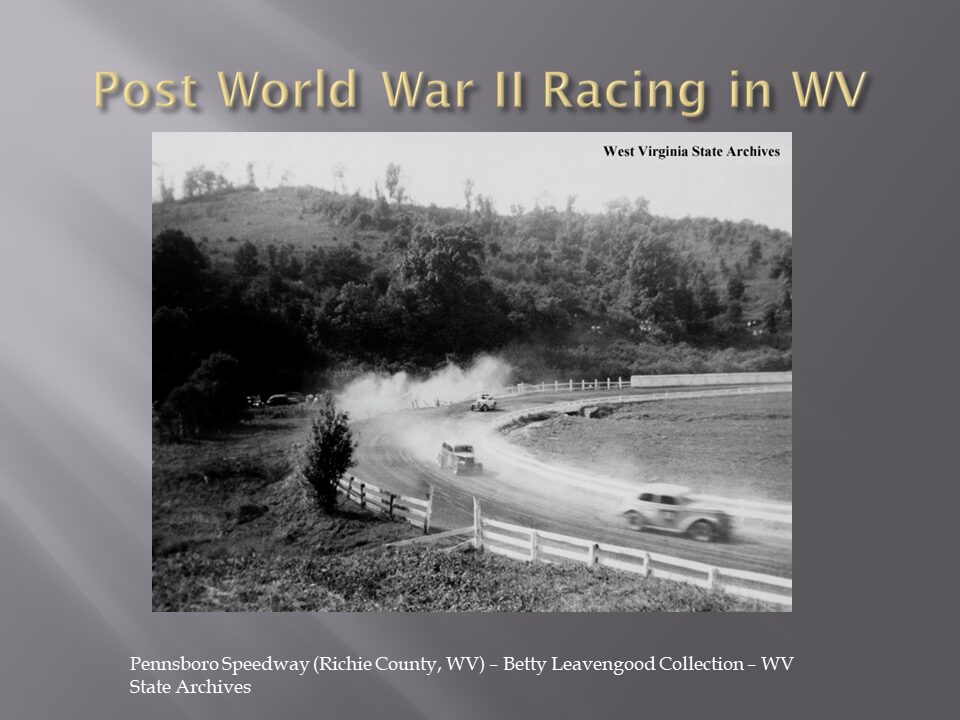
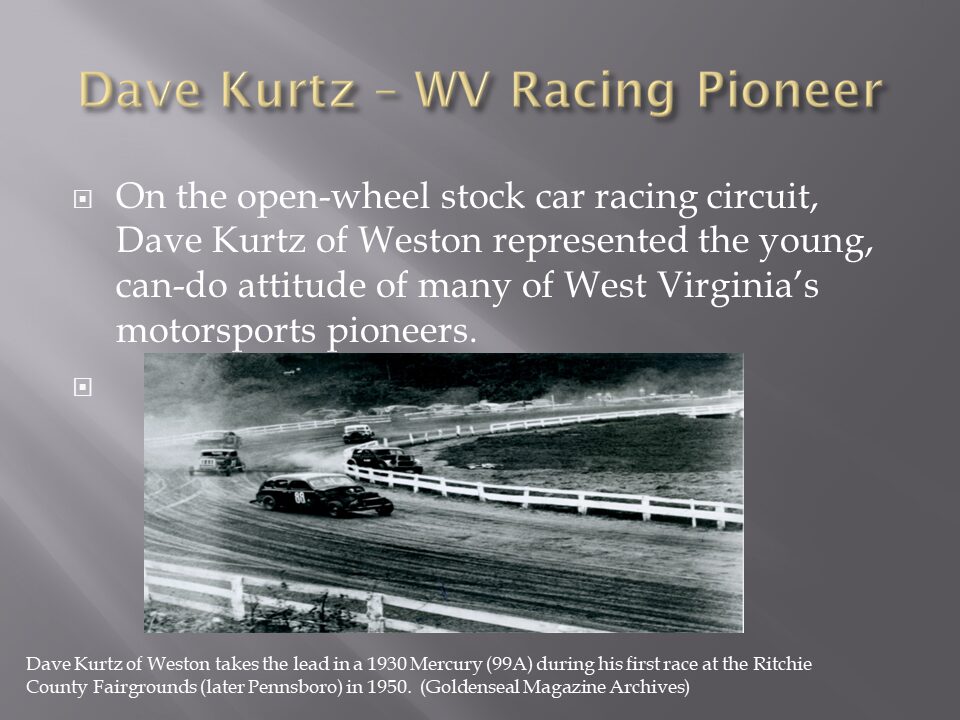
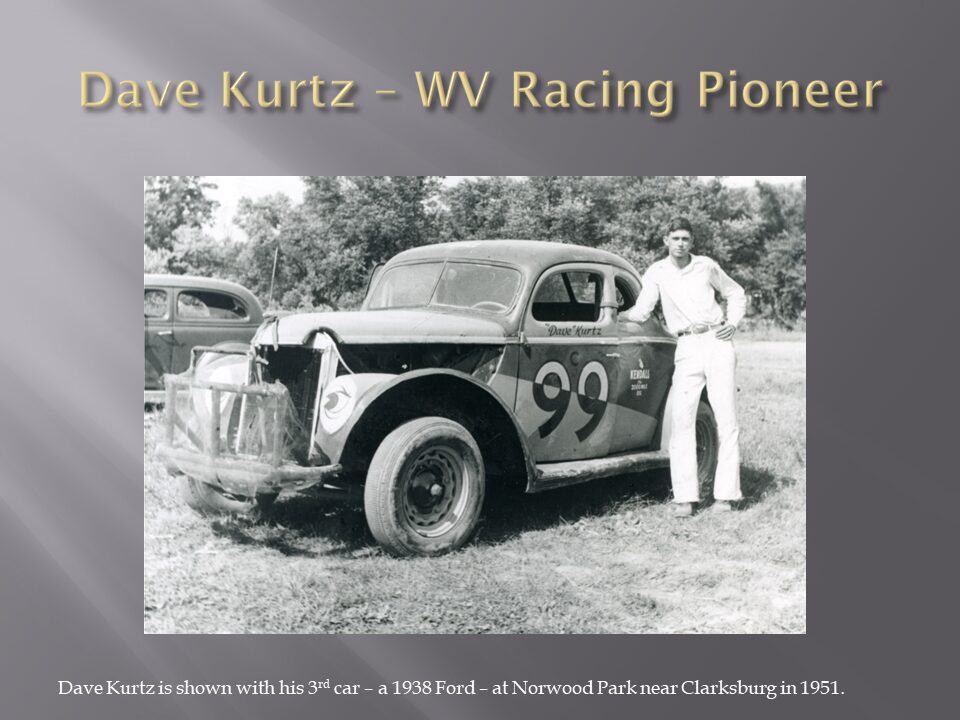
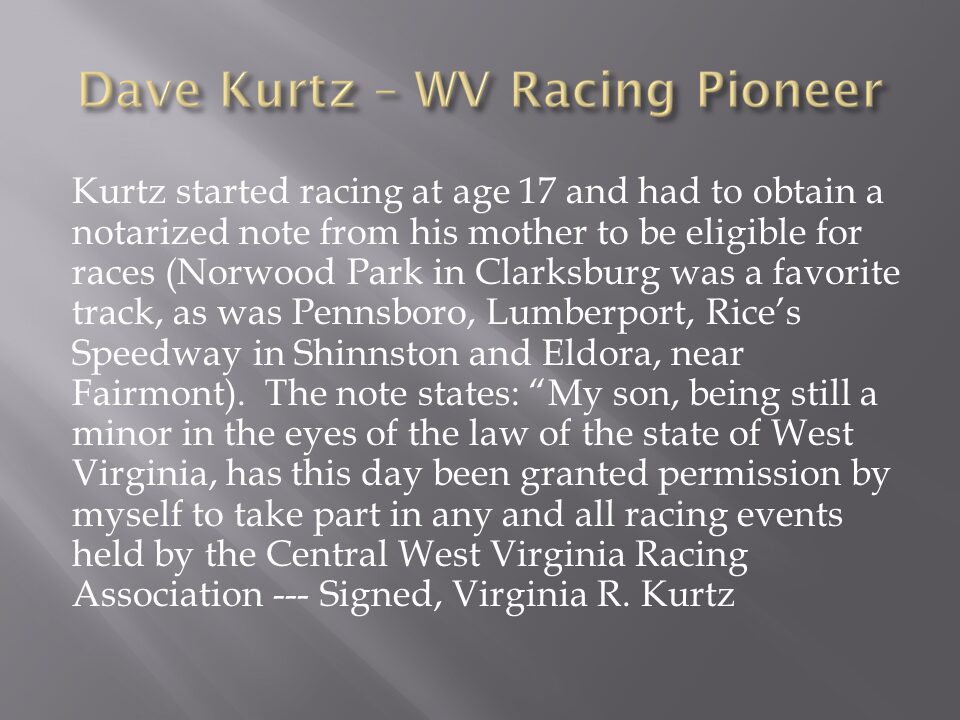
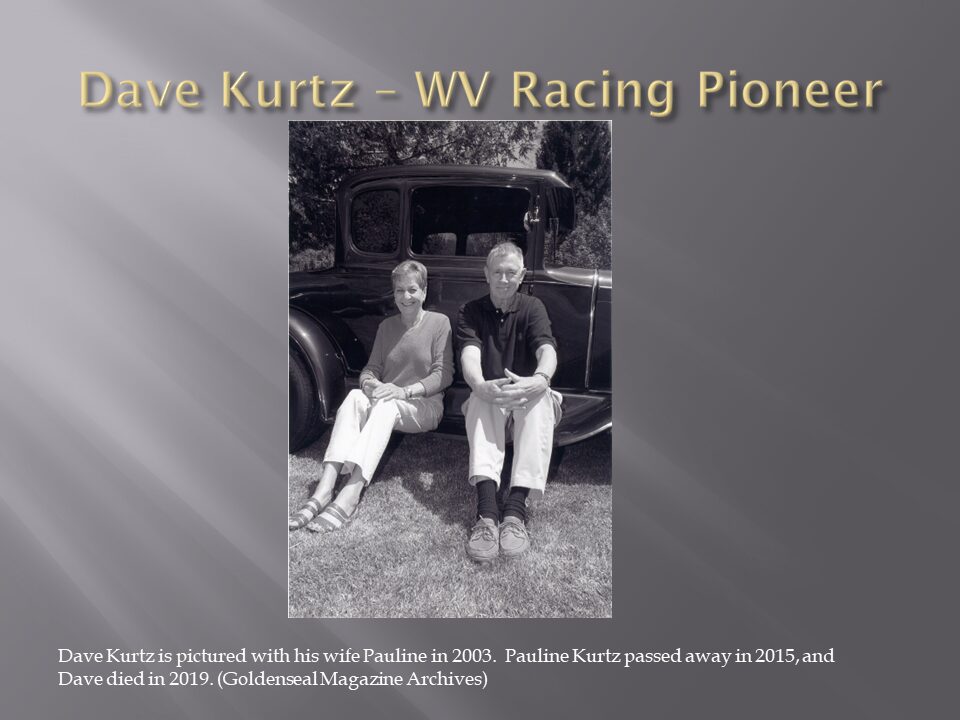
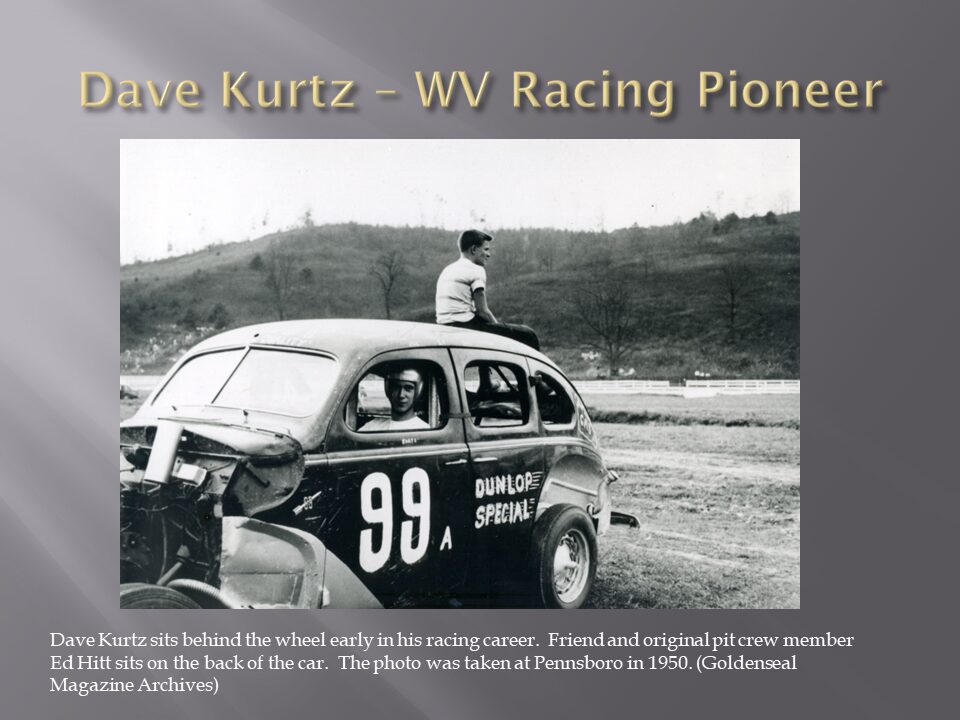
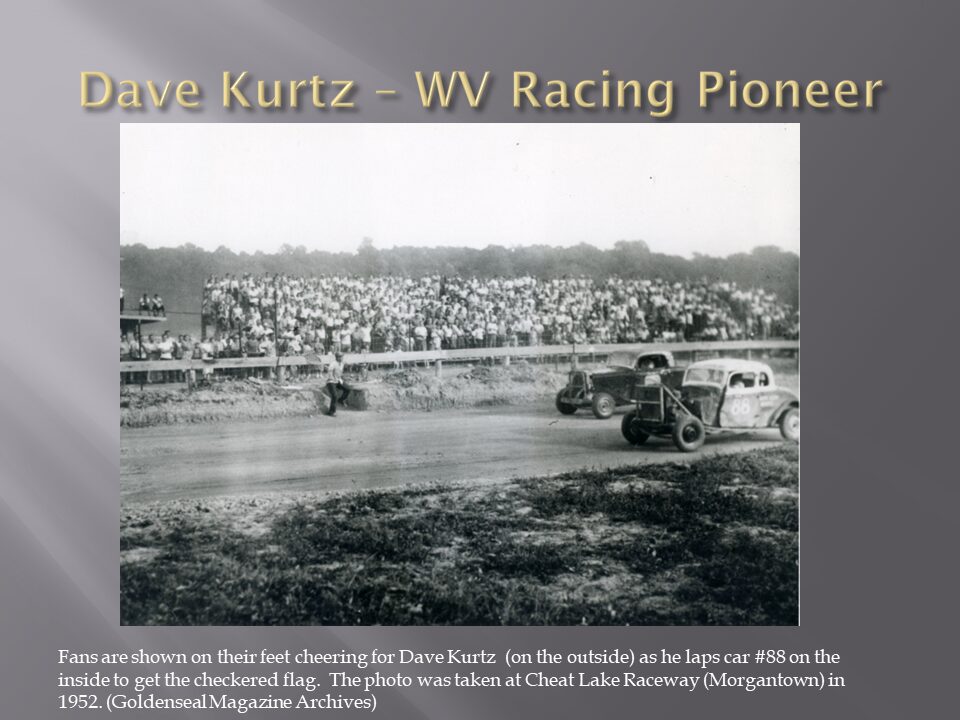
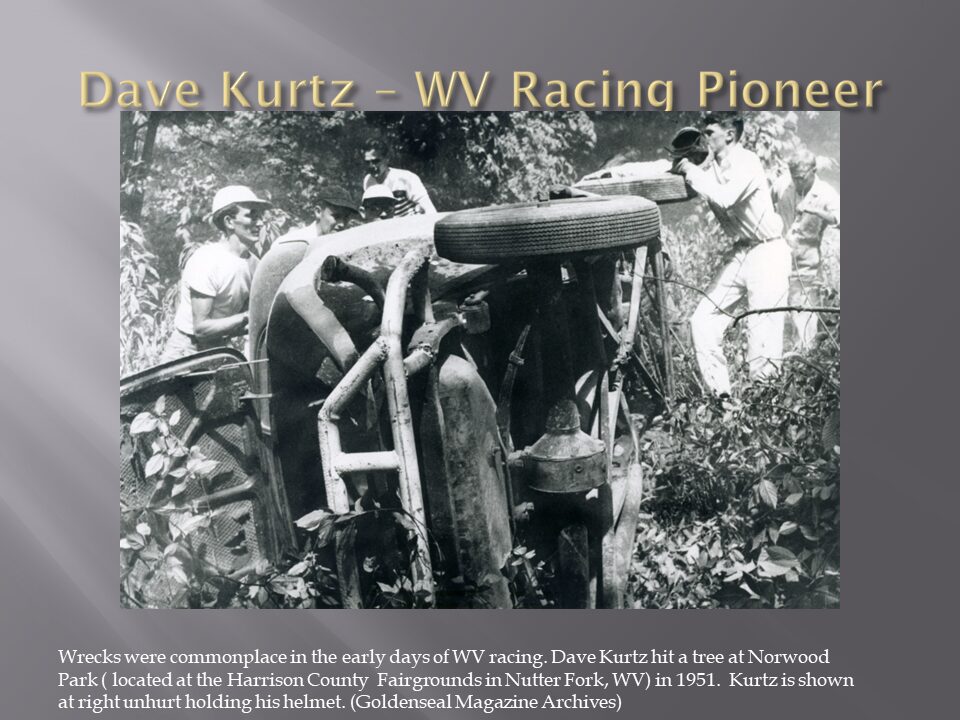
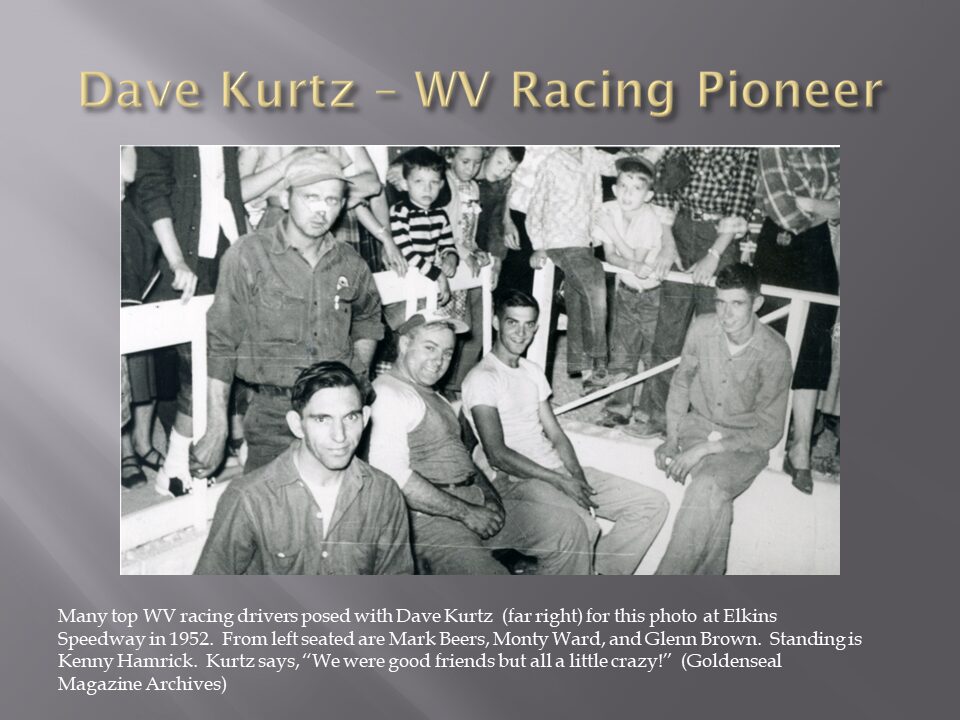
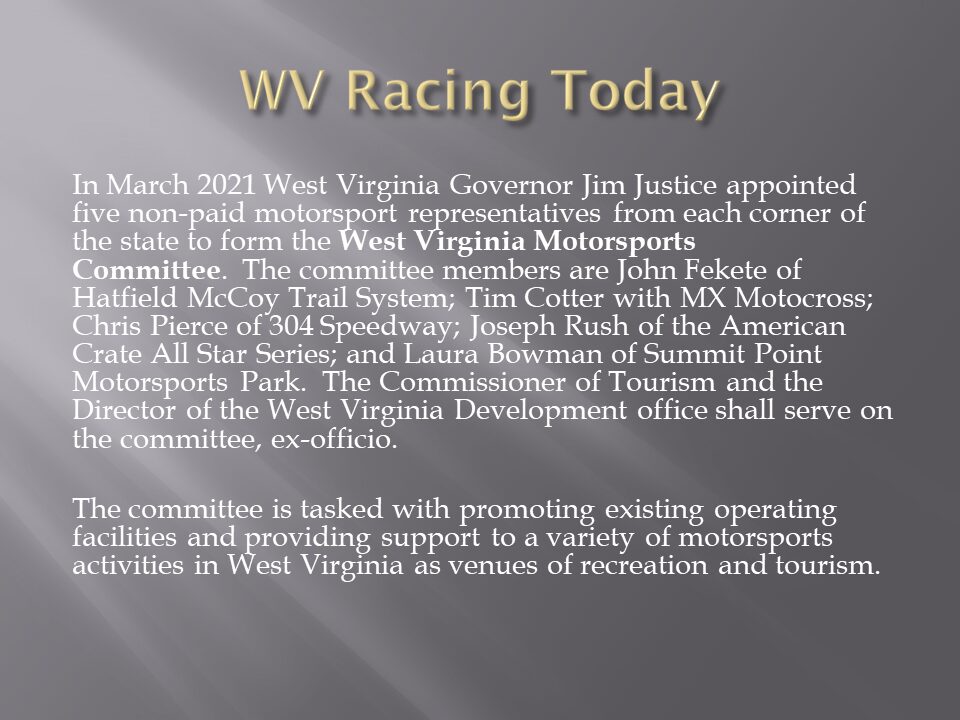
Grassroots and bootstraps strategies were used by early racing pioneers in West Virginia beginning in the 1930s. Tom Adamich, co-author of the auto racing entry in the West Virginia Encyclopedia and other related articles/publications will profile several events and individuals who innovated and dominated on the dirt tracks, ball diamonds, and other unique race courses that dot the hills and valleys of the great state of West Virginia.
This episode is sponsored in part by: The International Motor Racing Research Center (IMRRC), The Society of Automotive Historians (SAH), The Watkins Glen Area Chamber of Commerce, and the Argetsinger Family – and was recorded in front of a live studio audience. And has been Edited, Remastered and Produced in partnership with the Motoring Podcast Network.
Bio

Tom Adamich has been a vehicle/motorsports historian since the early 1990s. He served as the project archivist at the Wills Sainte Claire Auto Museum (Marysville, Michigan) from 2009-2016. He has been a frequent presenter at the Argetsinger Symposium – including presentations on Strategic Air Command (SAC) racing history, Cuban motorsports history, and Formula Vee.
Slides
Swipe left or right (or use the arrows/dots) to navigate through the presentation slides as you follow along with the episode.






Livestream
Other episodes you might enjoy
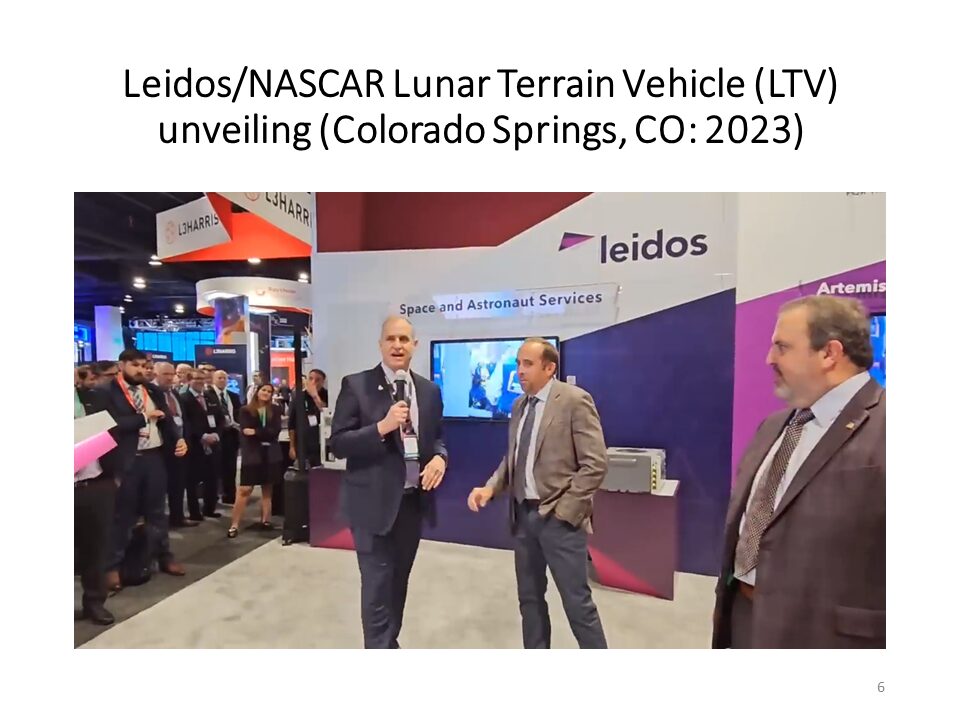
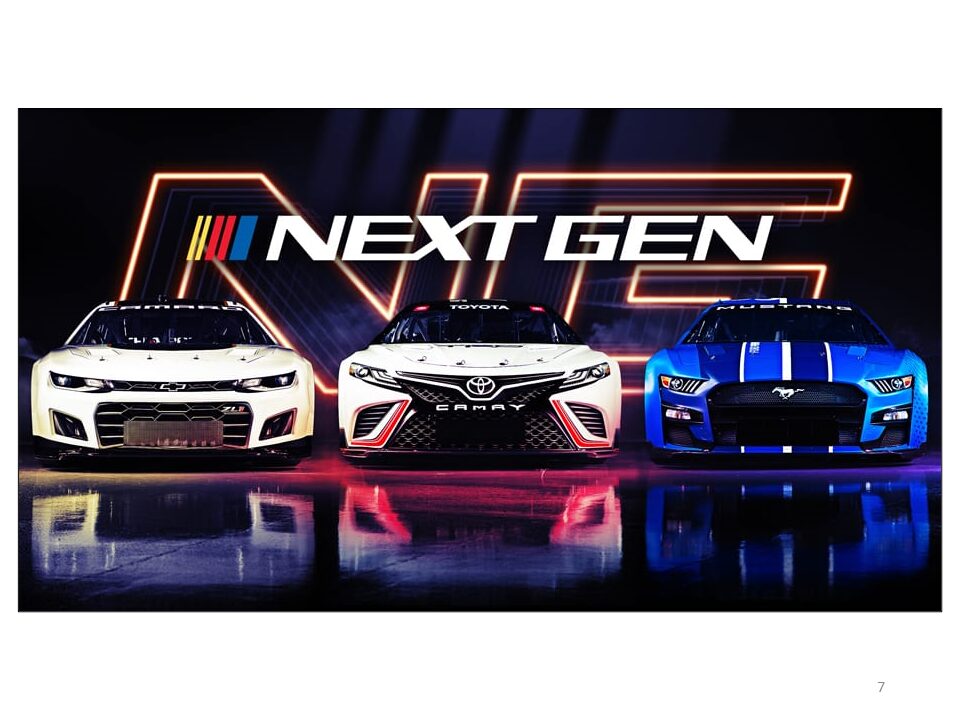
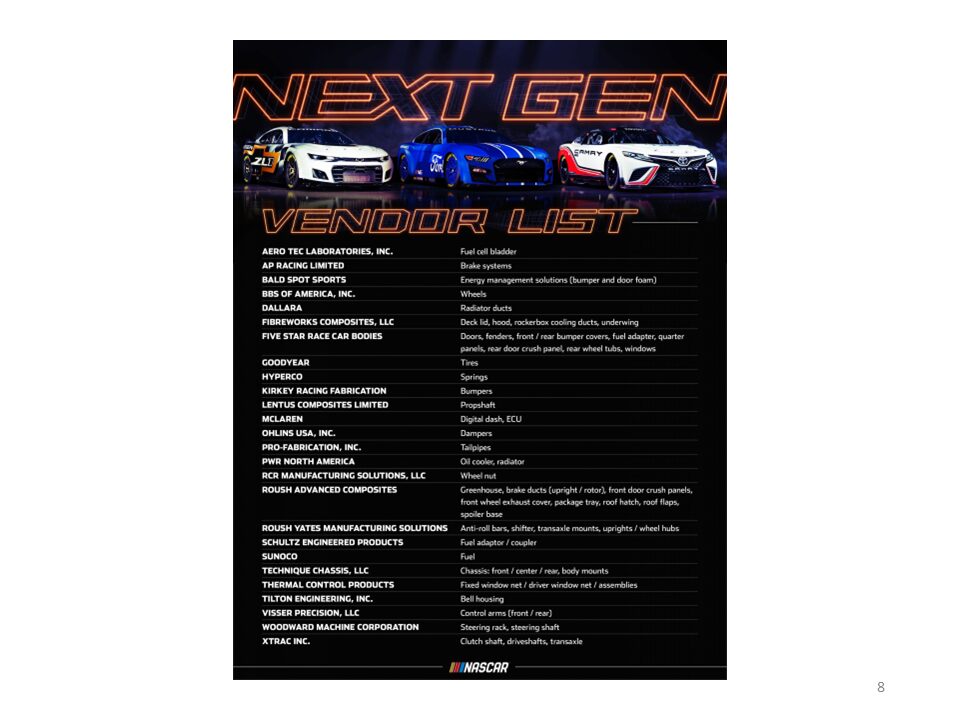
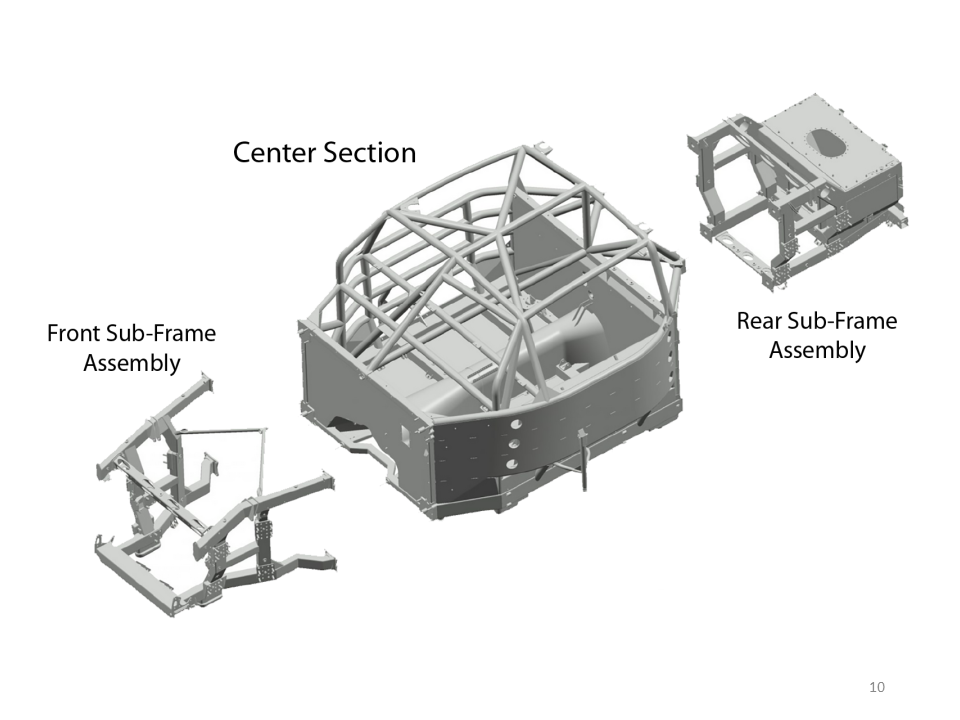
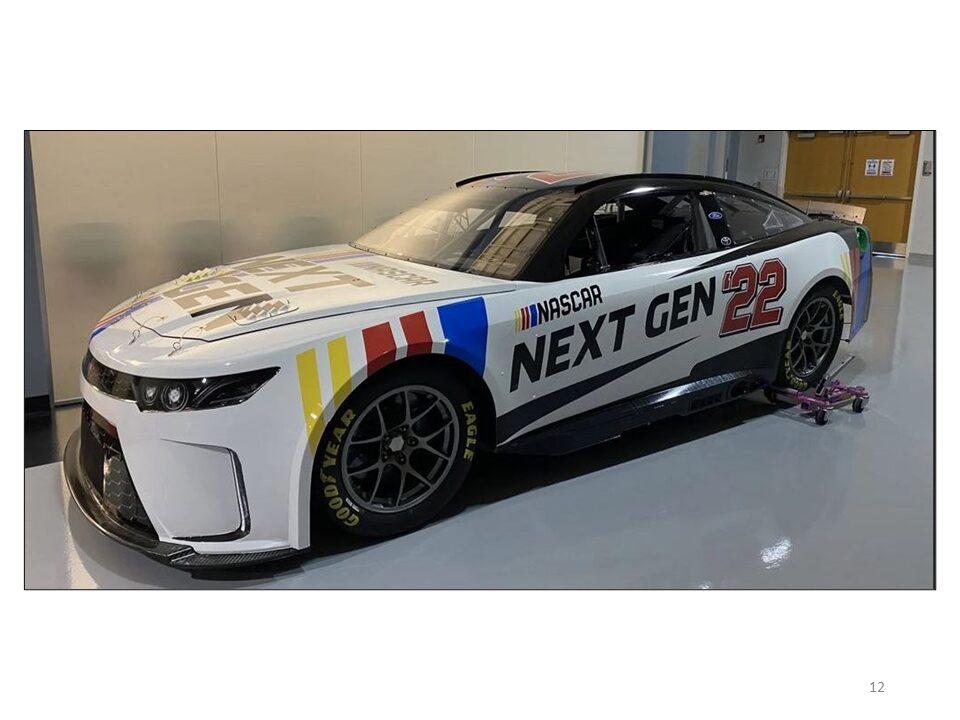
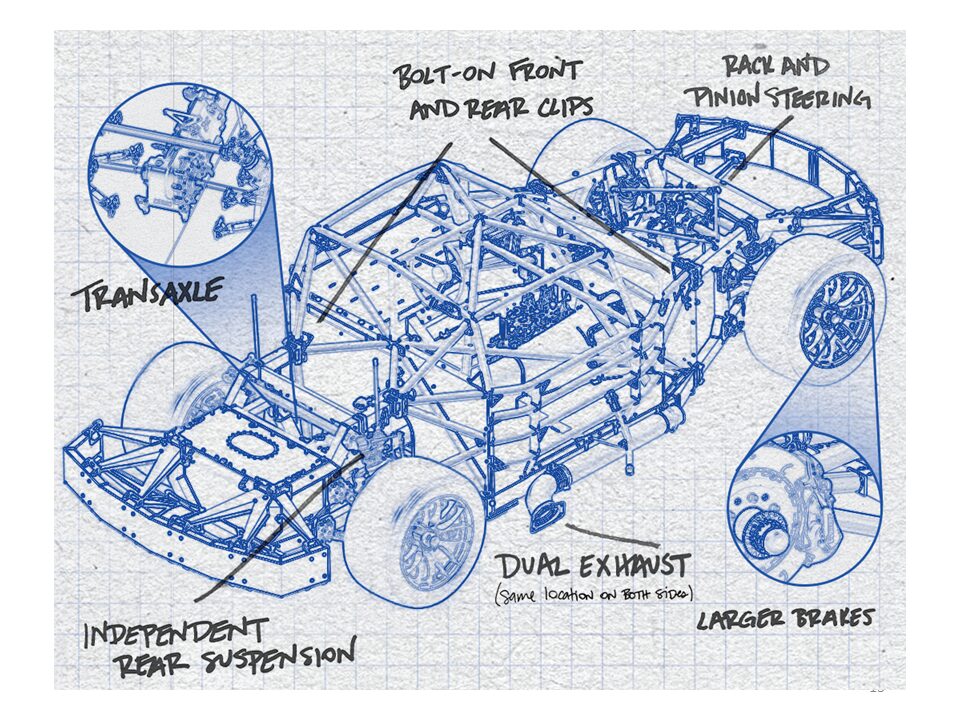
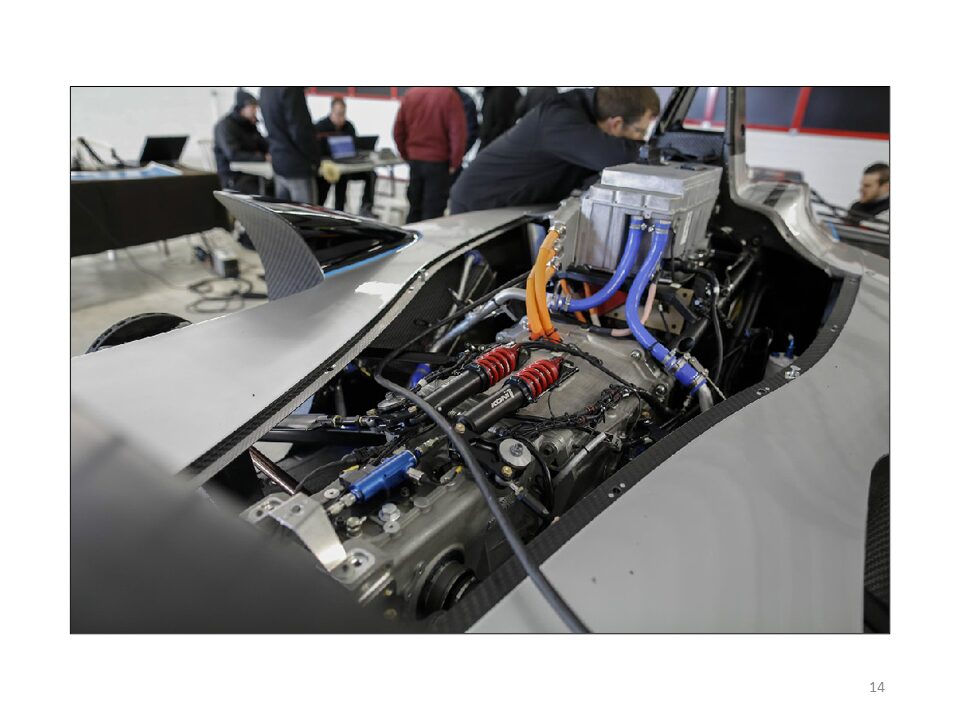
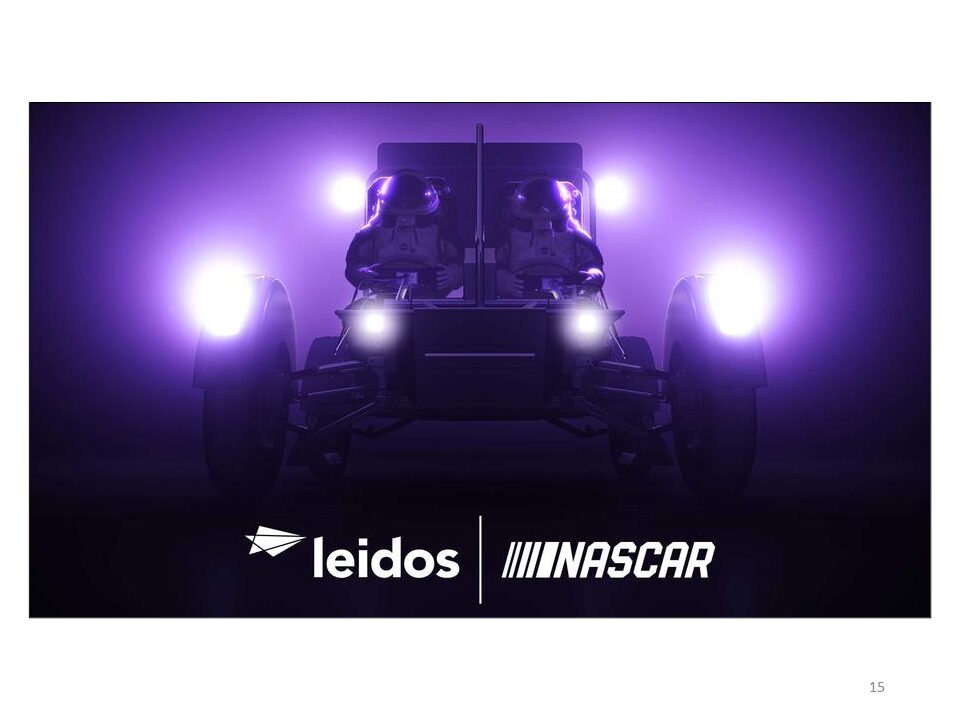
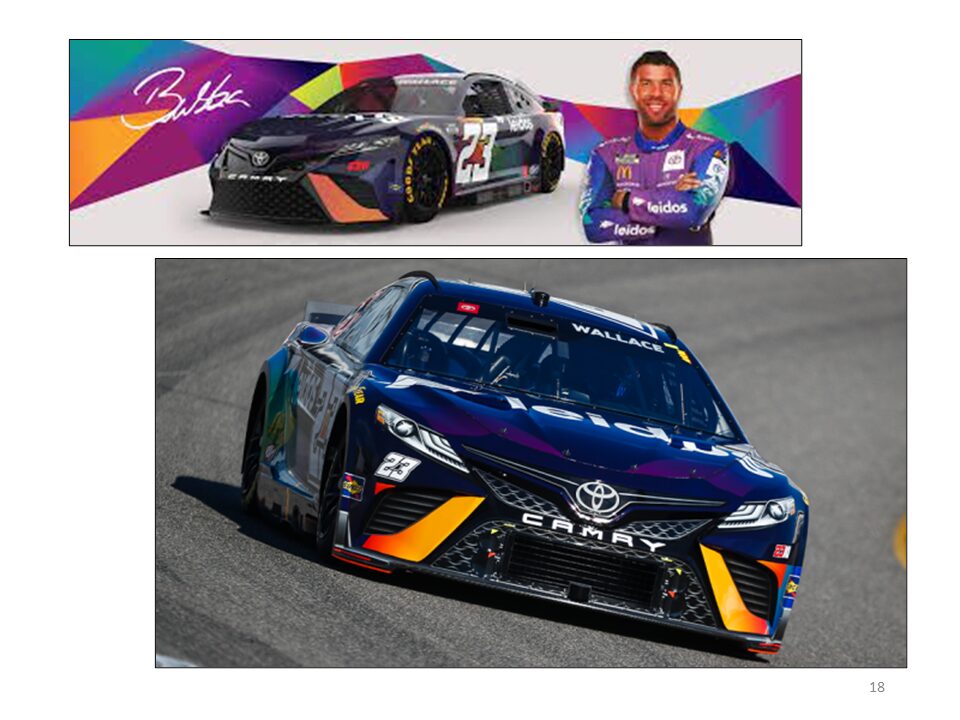
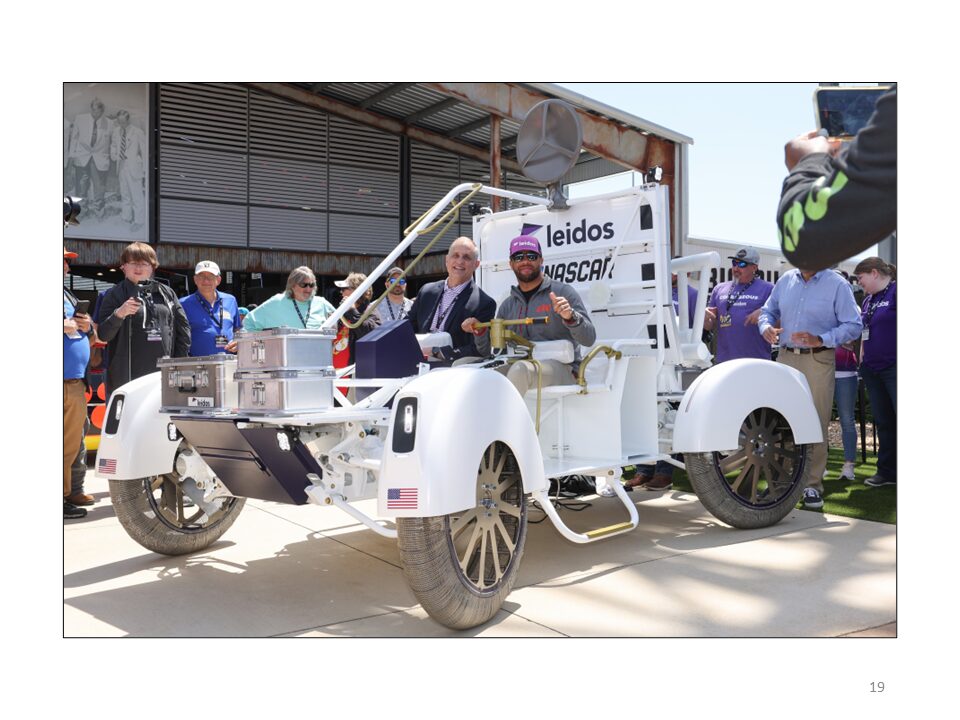
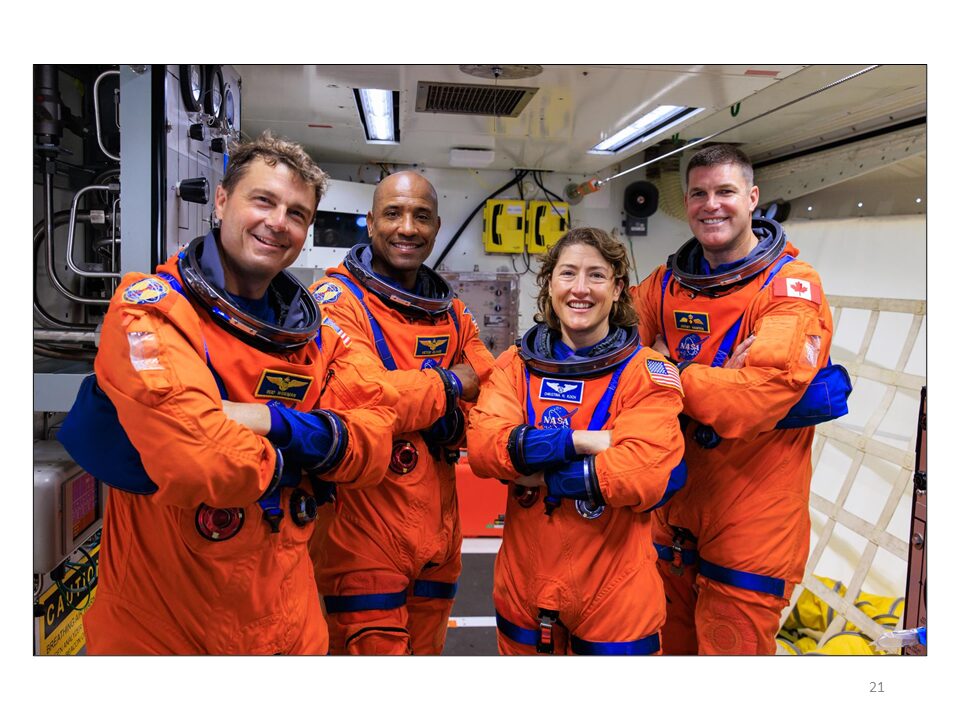
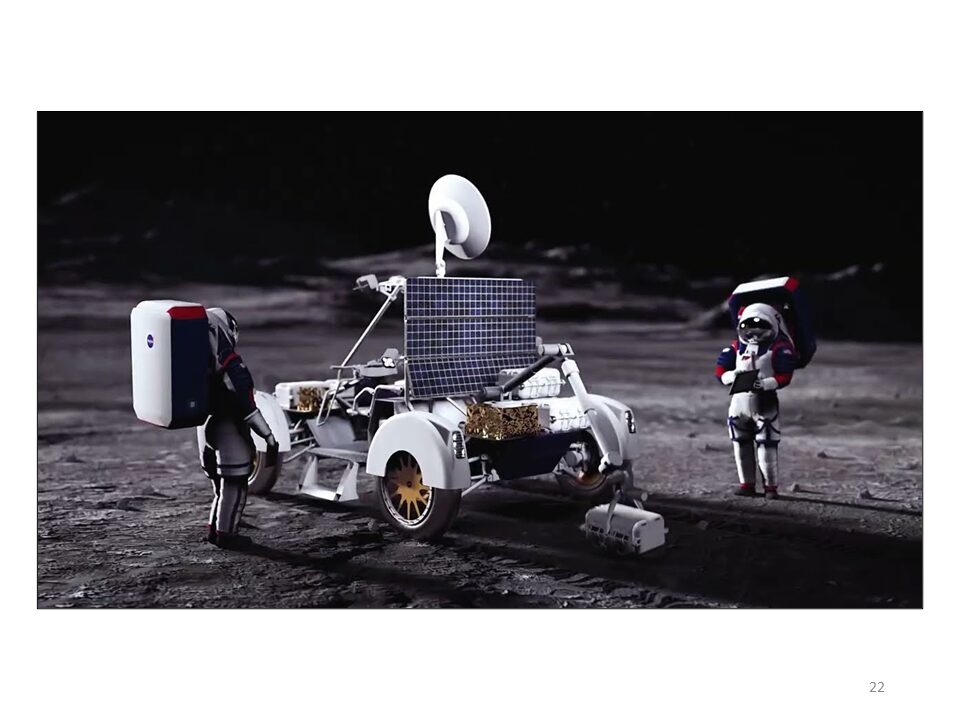
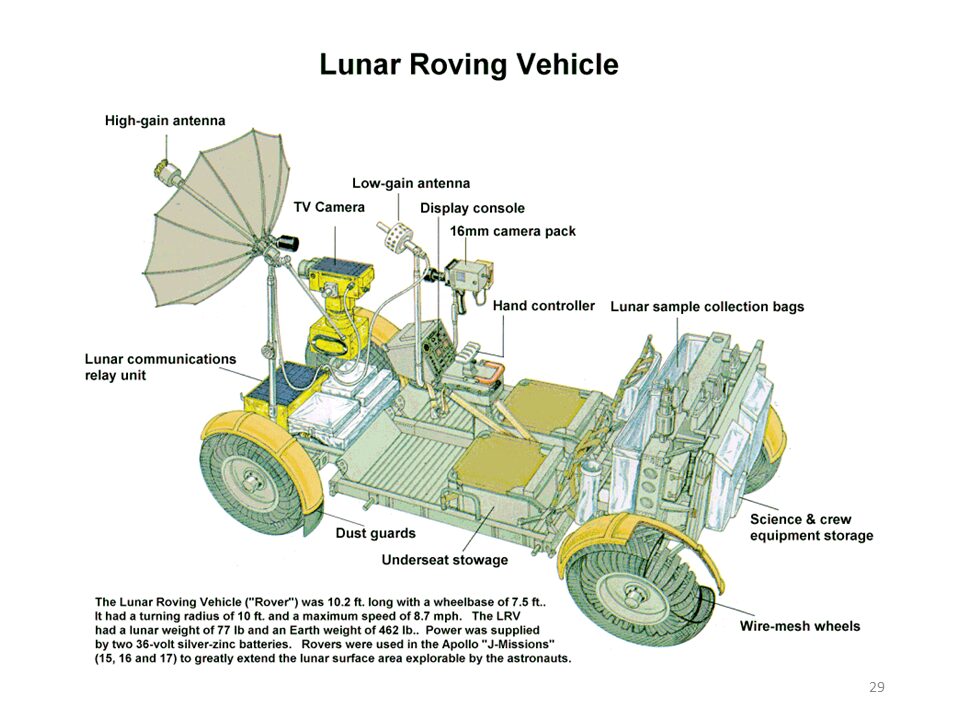
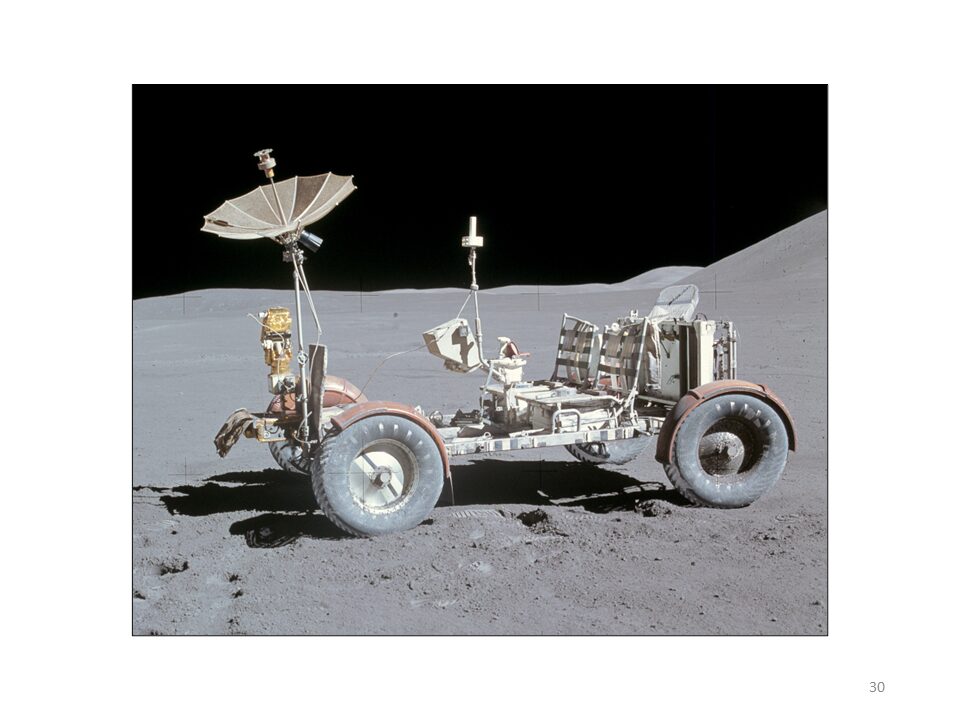
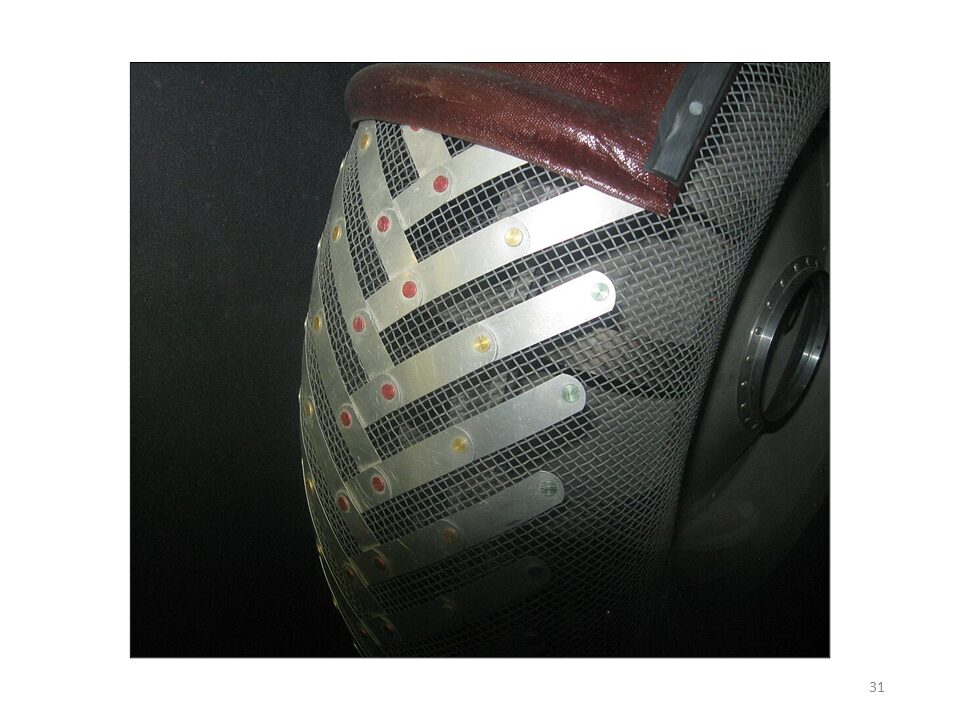
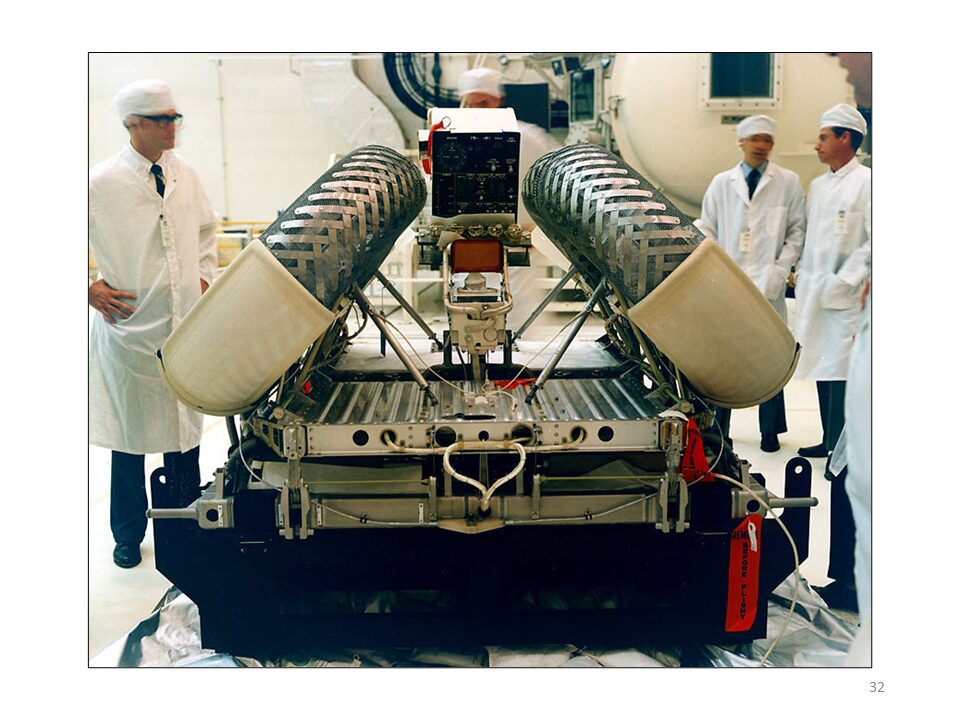
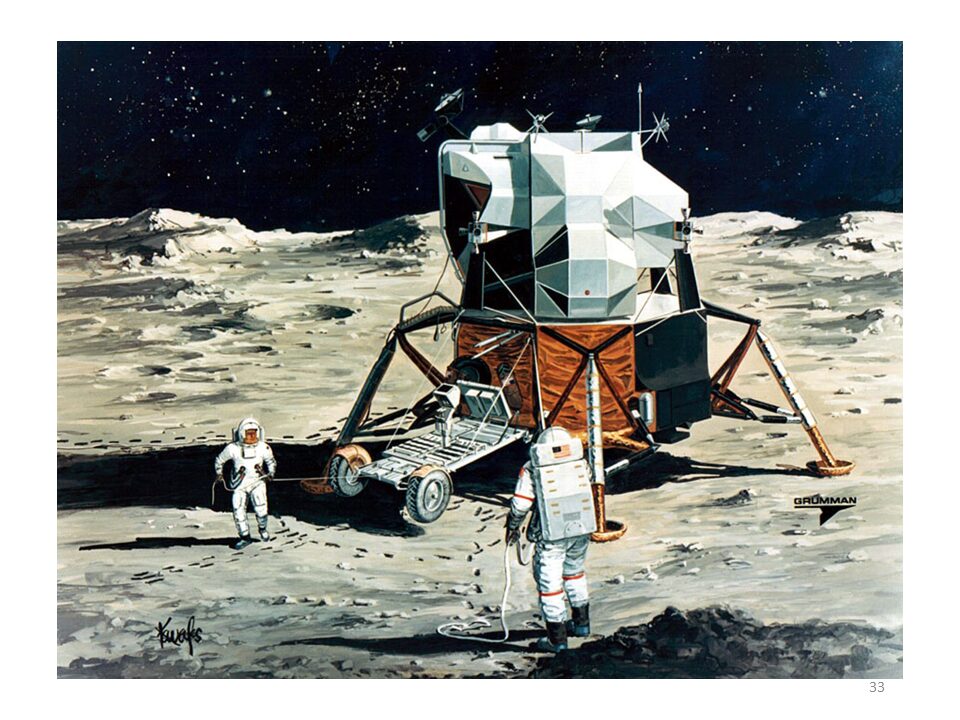
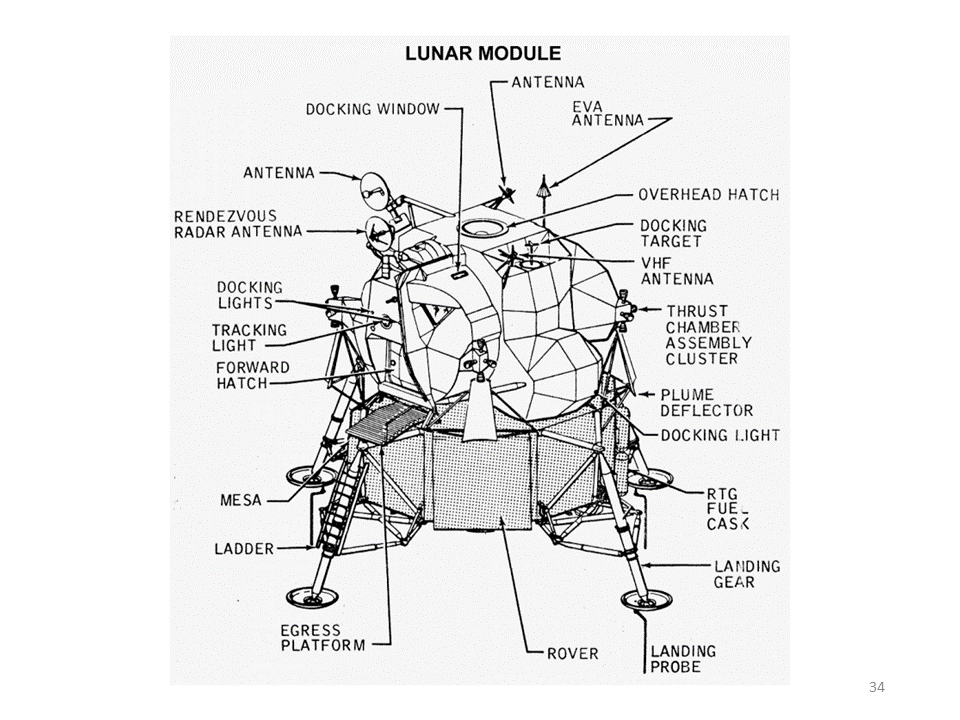
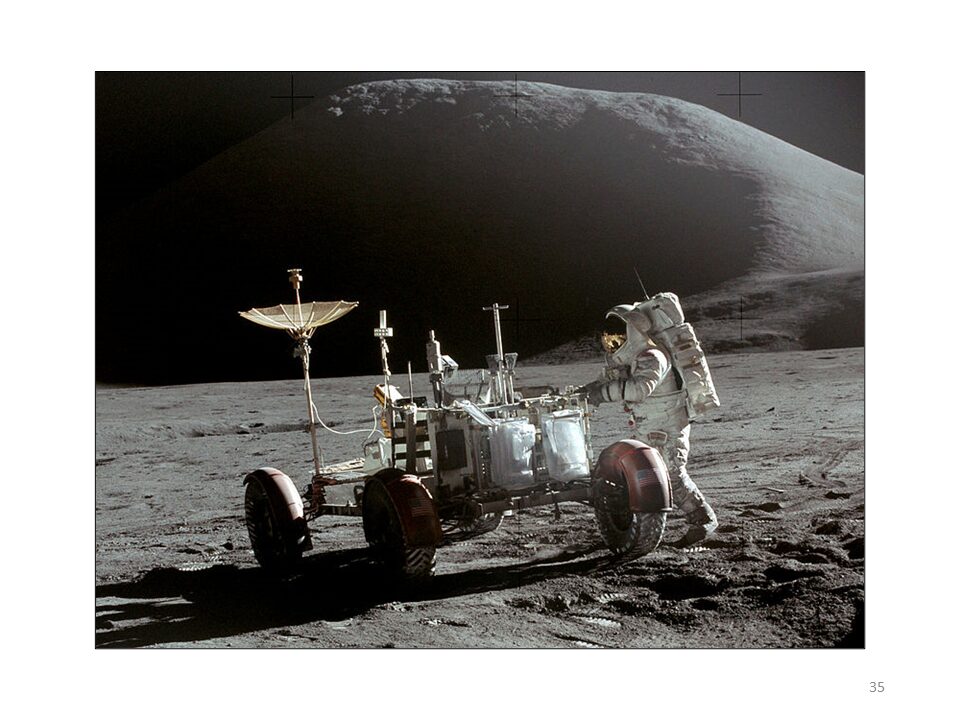
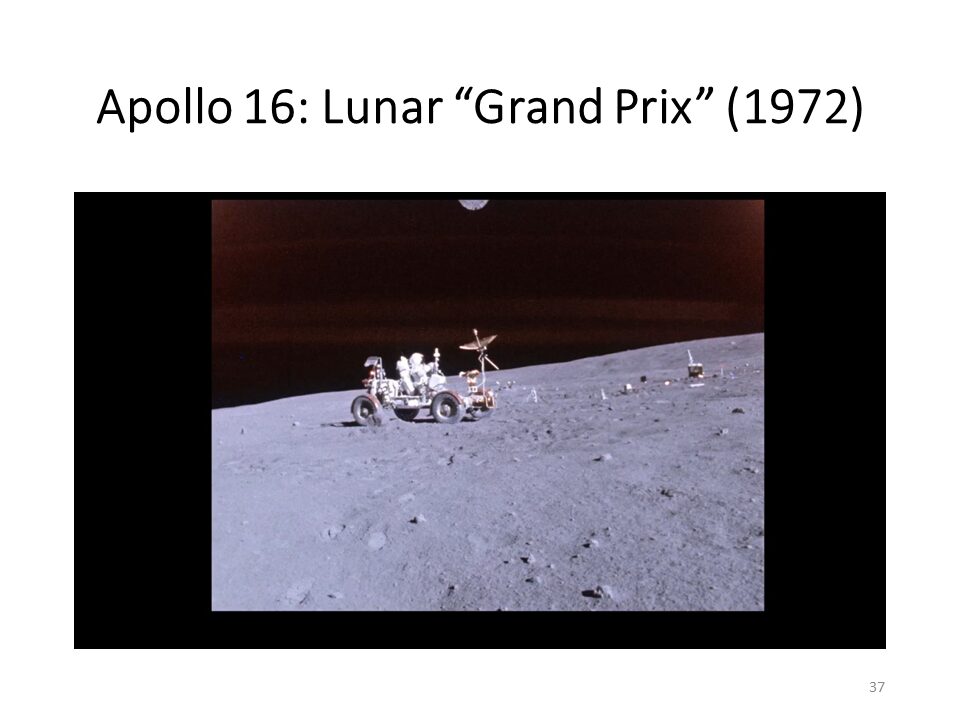
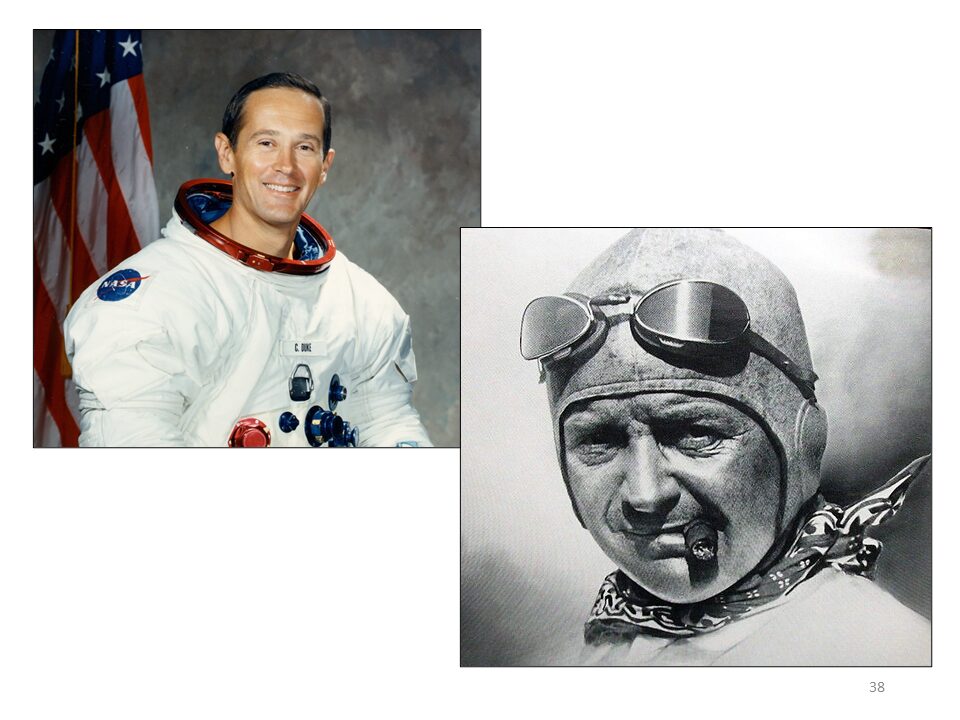
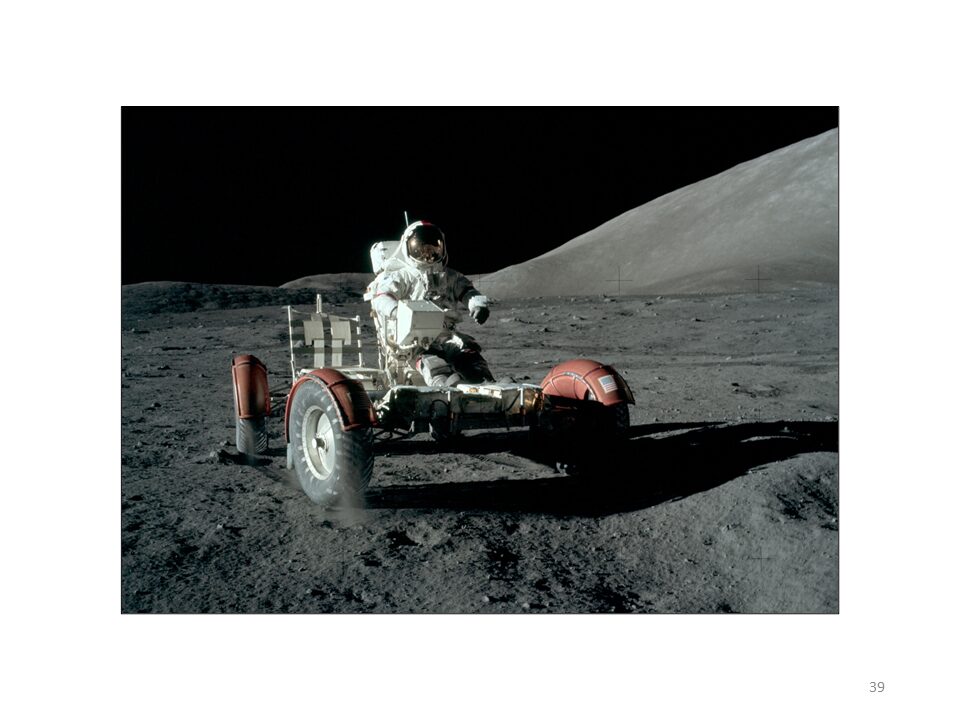
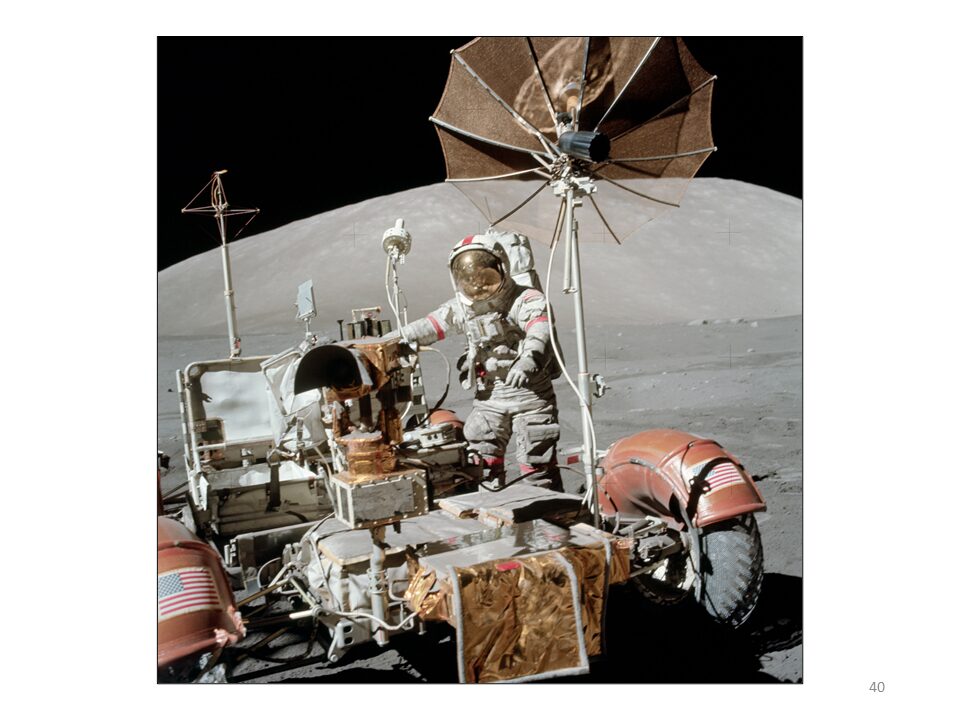
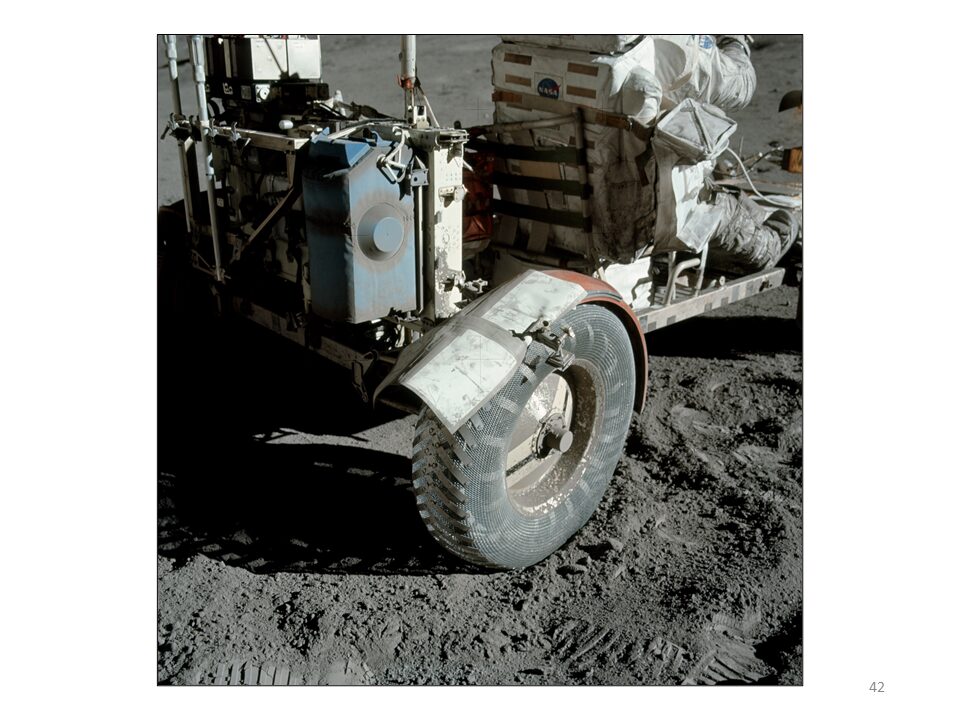
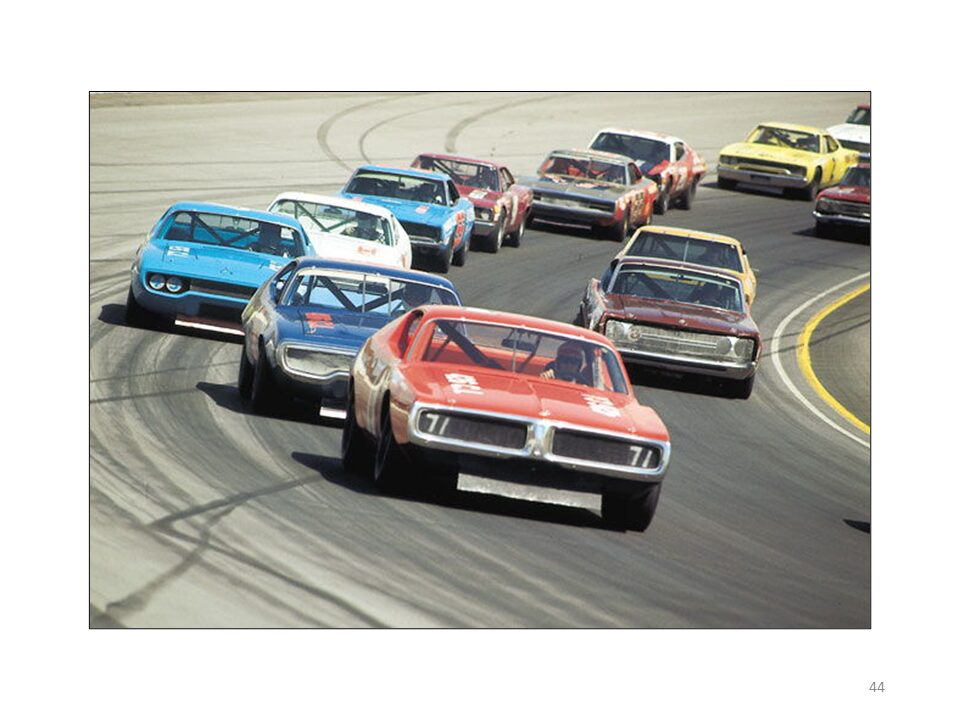
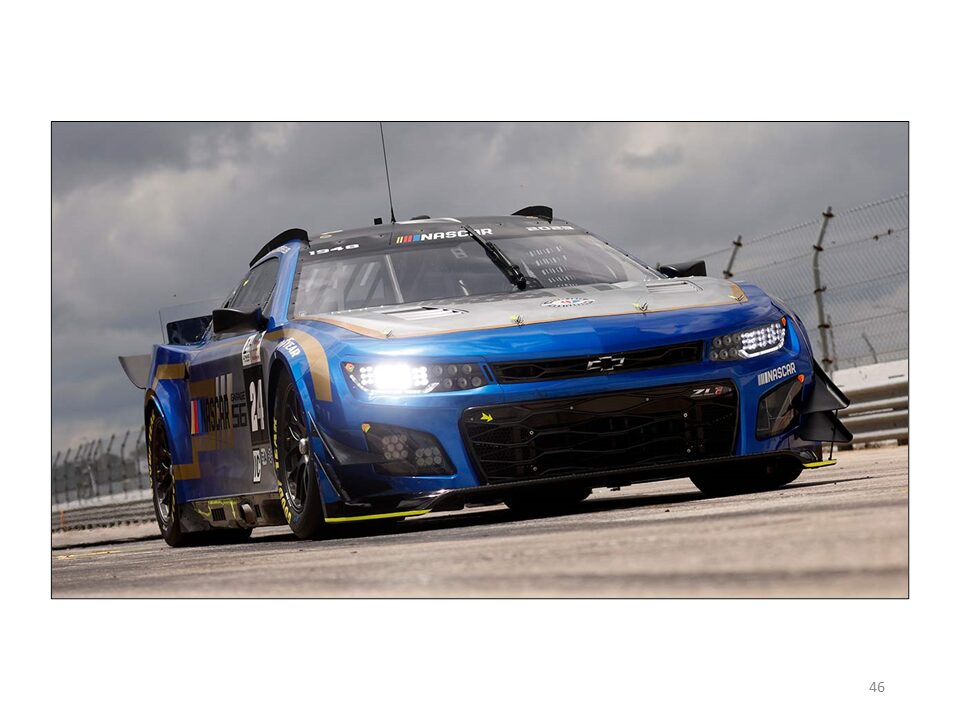
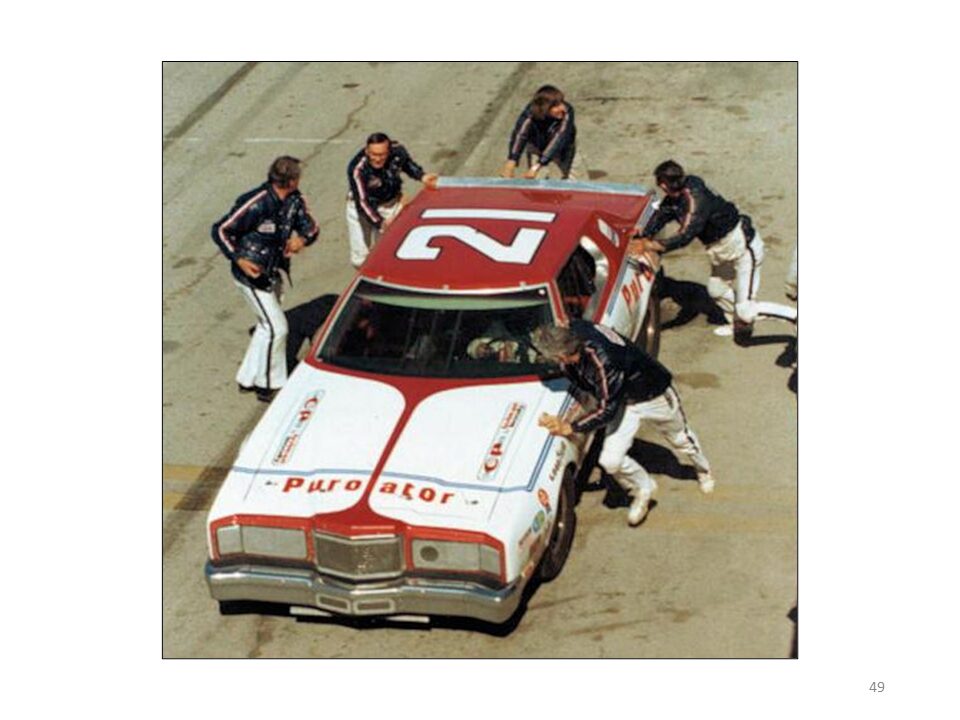
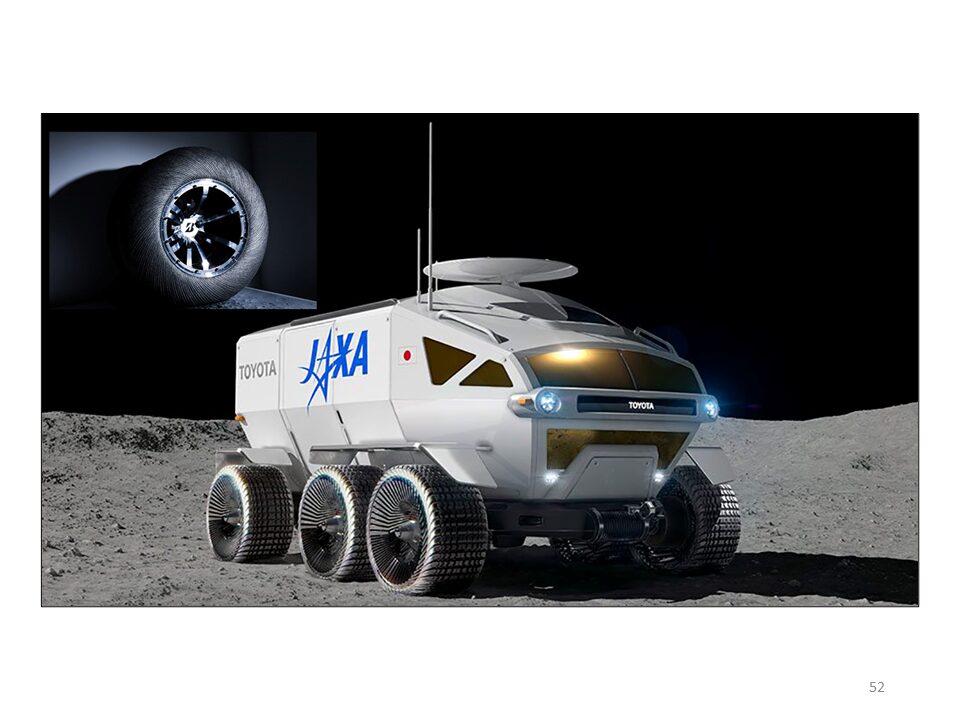
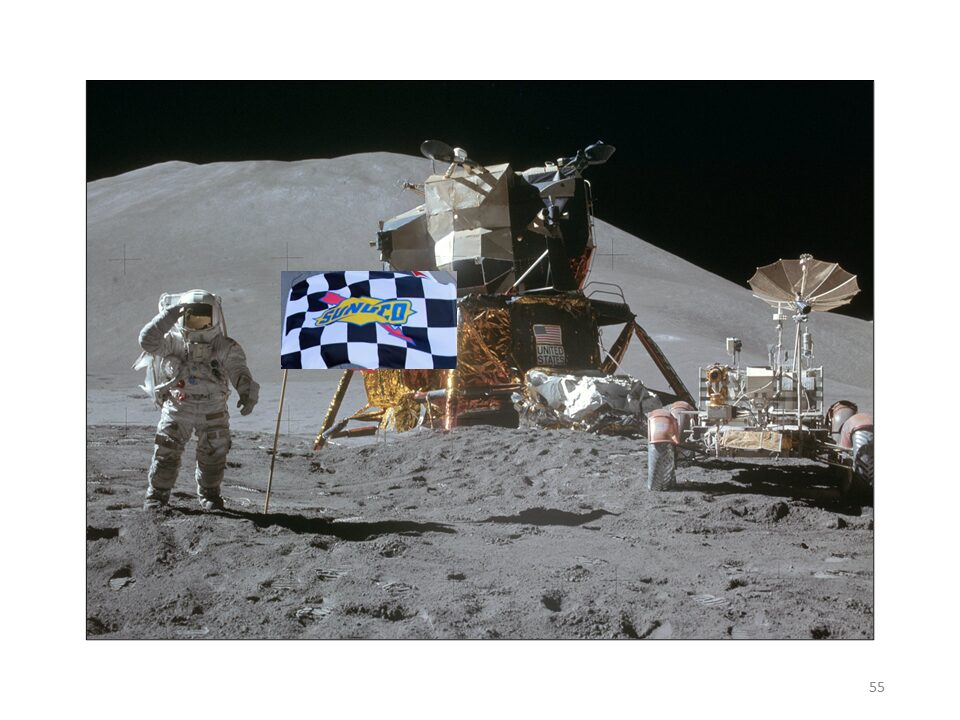
This presentation examines the 2023 alliance between Leidos, the international high-tech engineering firm, and NASCAR to build a “Next Gen” Lunar Roving Vehicle (LRV). The paper looks at the adaptation of motorsports culture by the aerospace industry as space exploration grows more privatized and commercialized.
Additionally, the presentation looks at the history of NASA’s LRV program and how astronauts saw their rovers through the context of automobile racing. Both Leidos Dynetics and NASCAR are relying on particular language, imagery, and historic legacies to justify their partnership while trying to earn NASA’s new LRV contract by the end of November 2023.
This episode is sponsored in part by: The International Motor Racing Research Center (IMRRC), The Society of Automotive Historians (SAH), The Watkins Glen Area Chamber of Commerce, and the Argetsinger Family – and was recorded in front of a live studio audience. And has been Edited, Remastered and Produced in partnership with the Motoring Podcast Network.
Bio
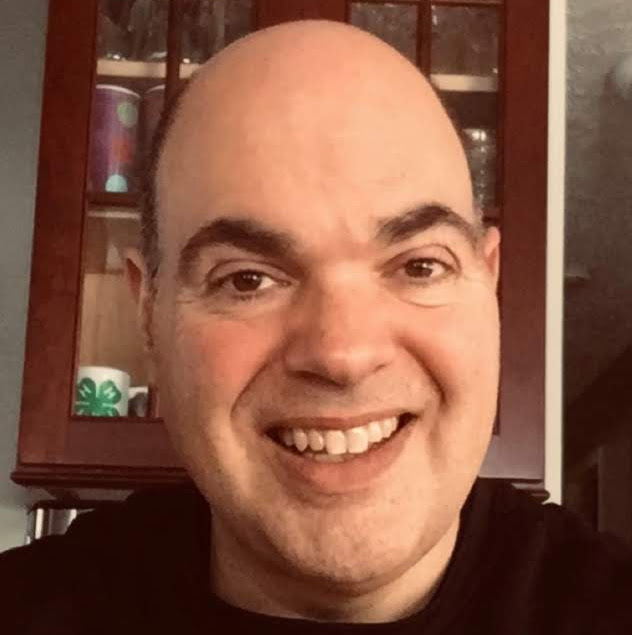
Dr. Mark D. Howell has been involved with motosports his entire life. As a teenager, he tagged along with the NASCAR Modified pit crew of Brett Bodine, who raced out of Howell’s hometown of Dallas, PA. He earned a BA and MA from Penn State, and a Ph.D. in American Culture Studies from Bowling Green State University. His dissertation evolved into From Moonshine to Madison Avenue: A Cultural History of the NASCAR Winston Cup Series, published by The Popular Press/University of Wisconsin Press in 1997.
Howell is professor of communications at Northwestern Michigan College in Traverse City. He lives with his wife and son (and two dogs) in the village of Suttons Bay on Lake Michigan.
Slides
Swipe left or right (or use the arrows/dots) to navigate through the presentation slides as you follow along with the episode.













Livestream
Other episodes you might enjoy
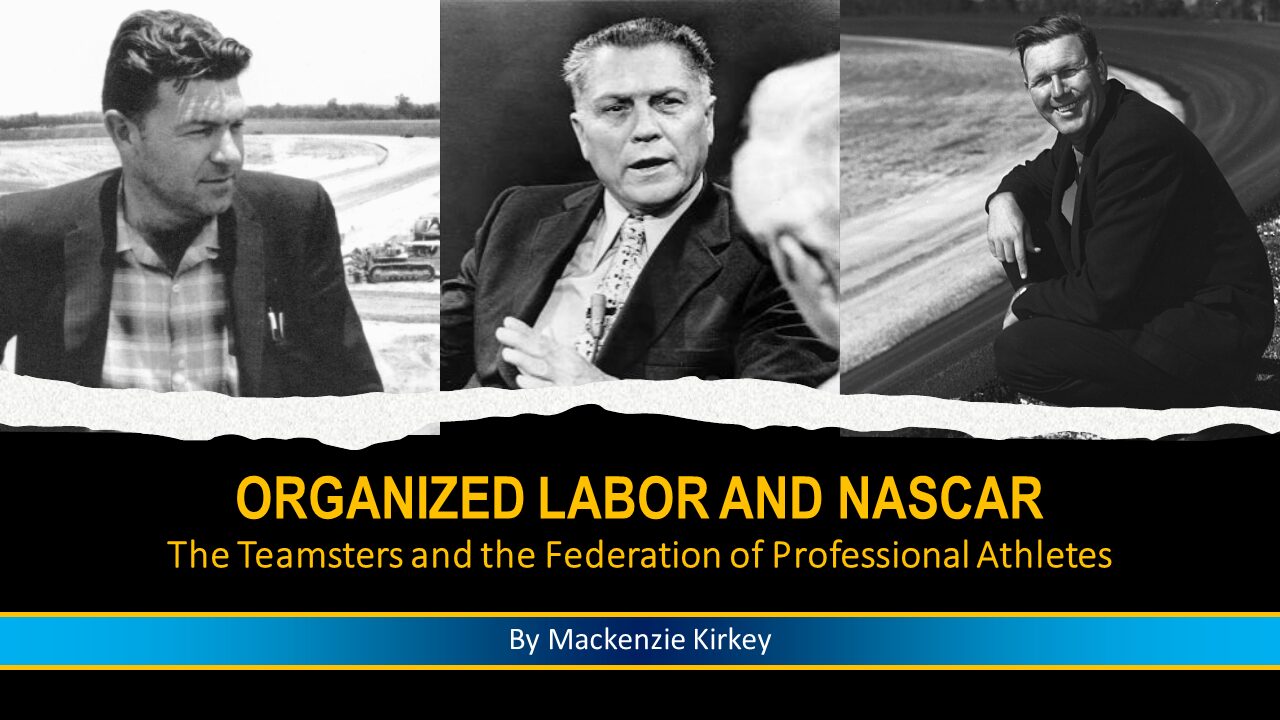
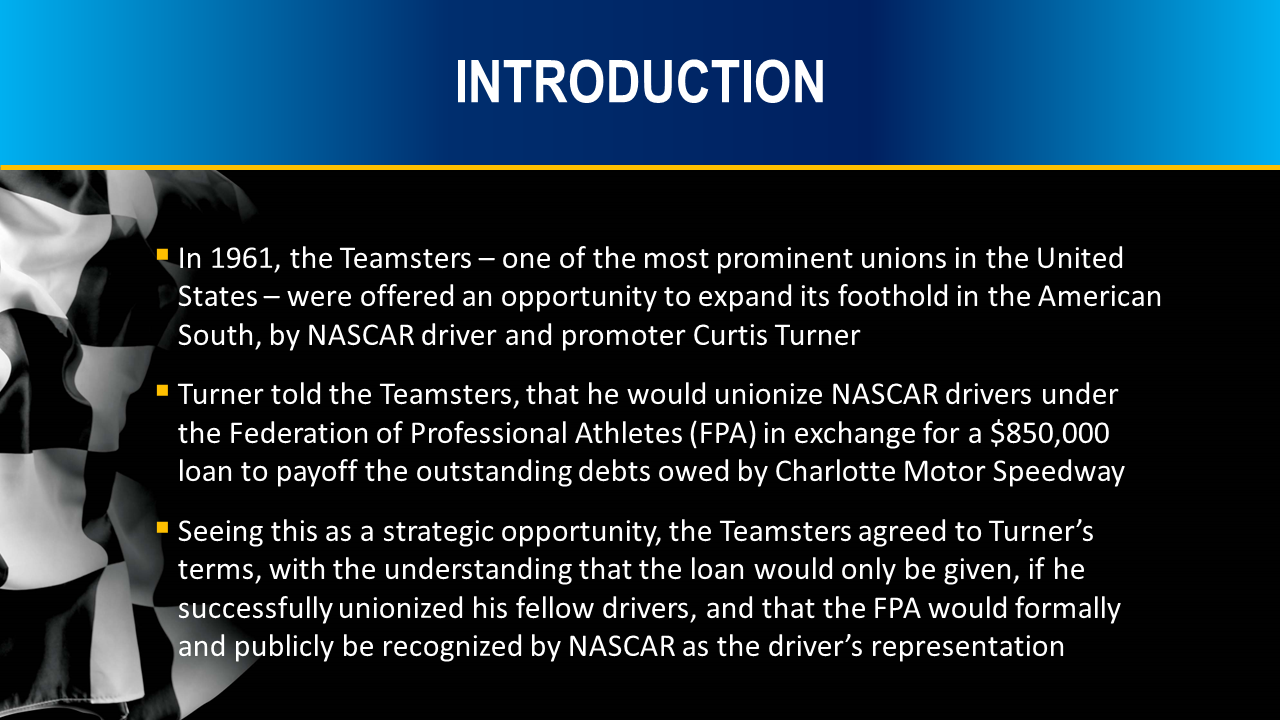
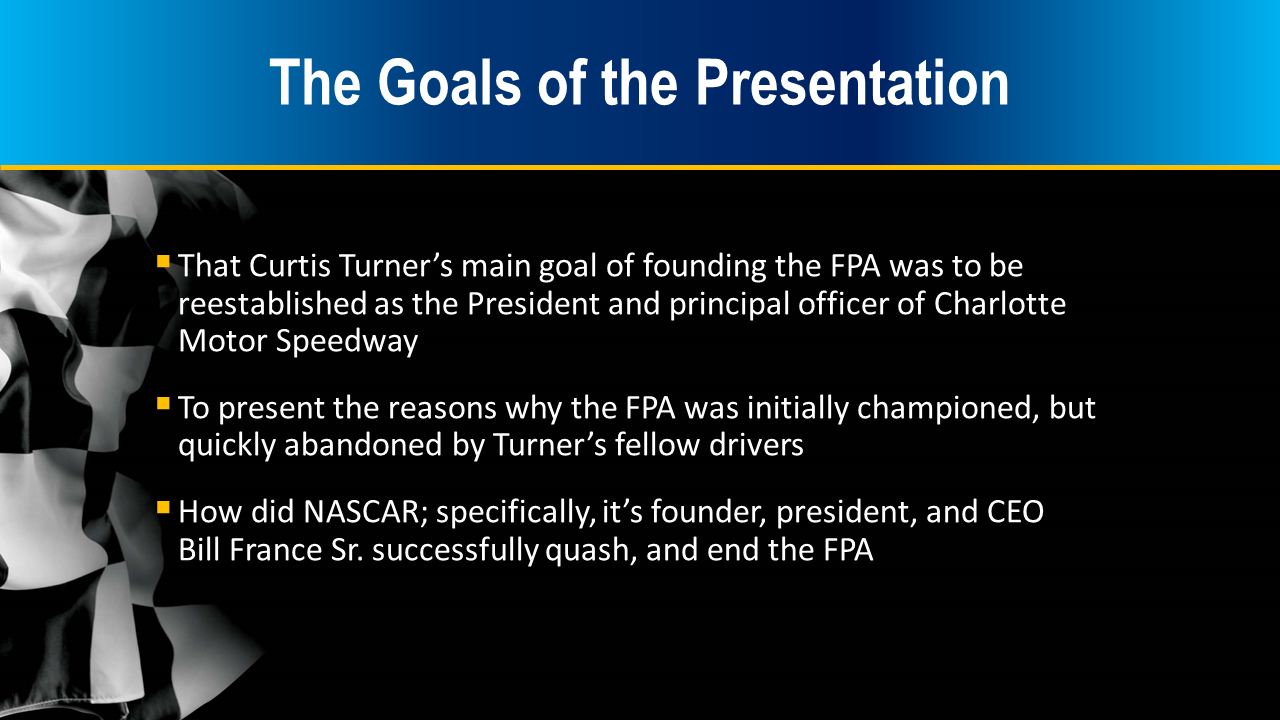
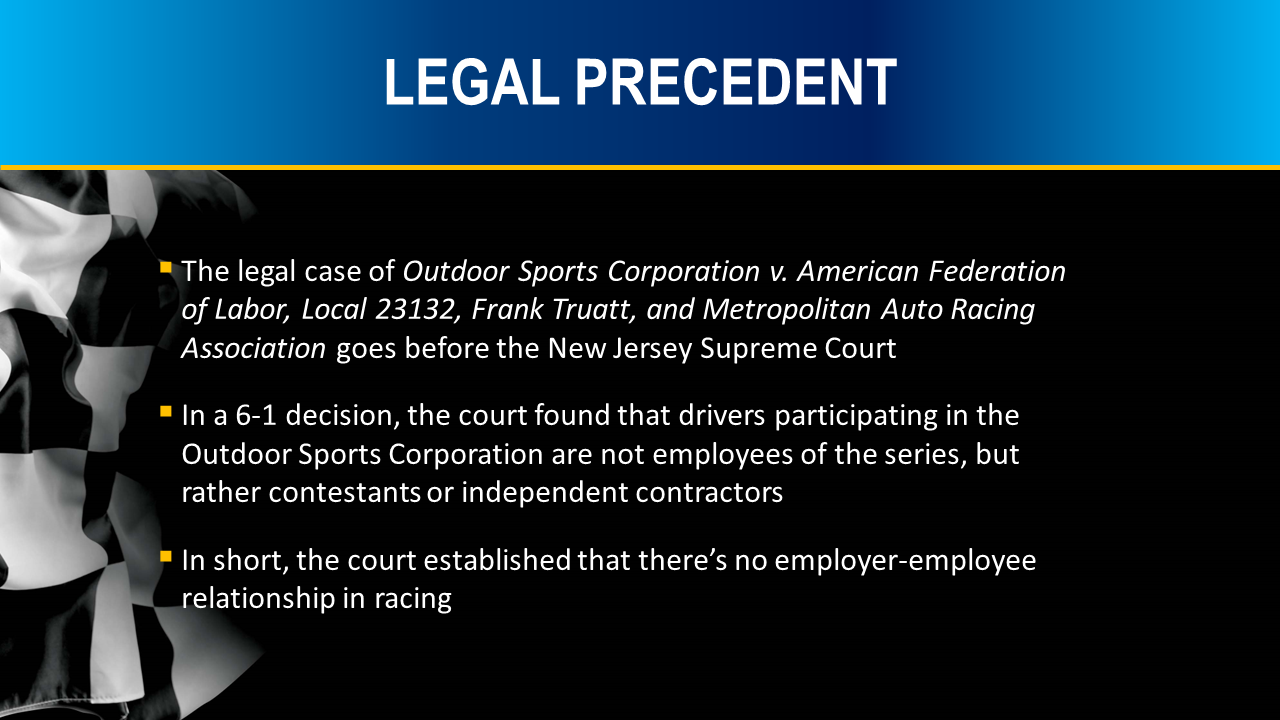
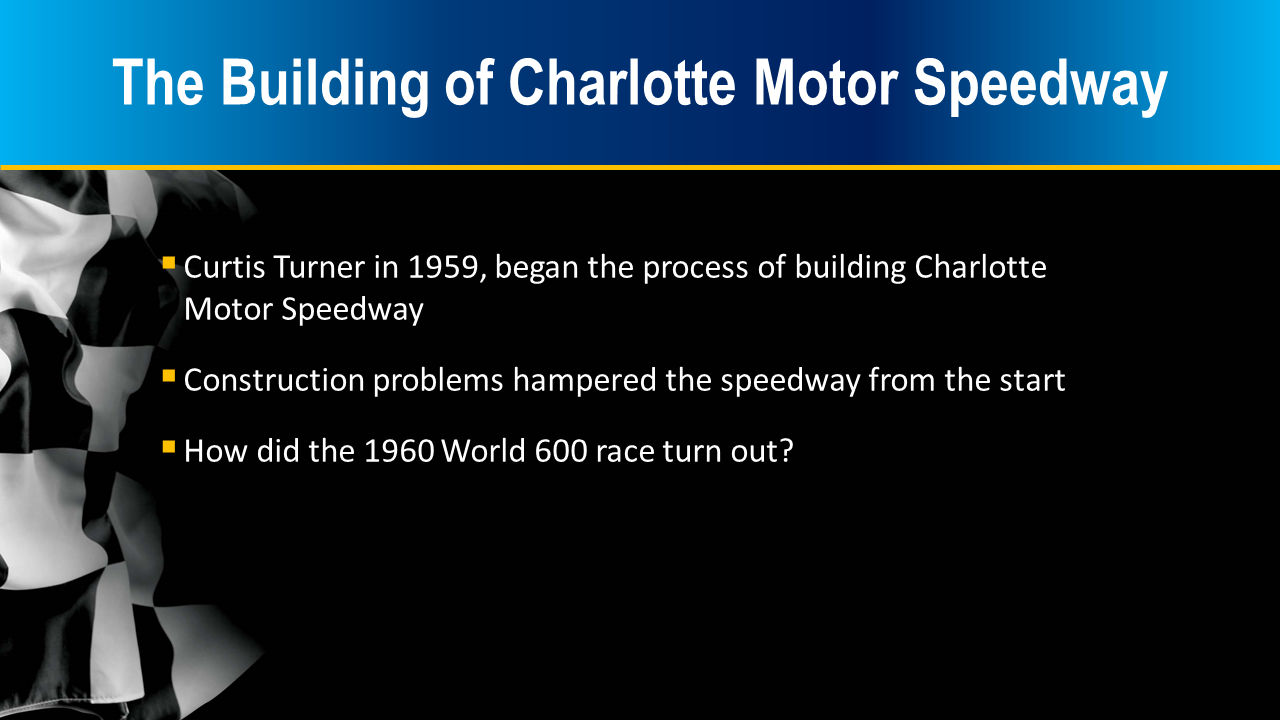
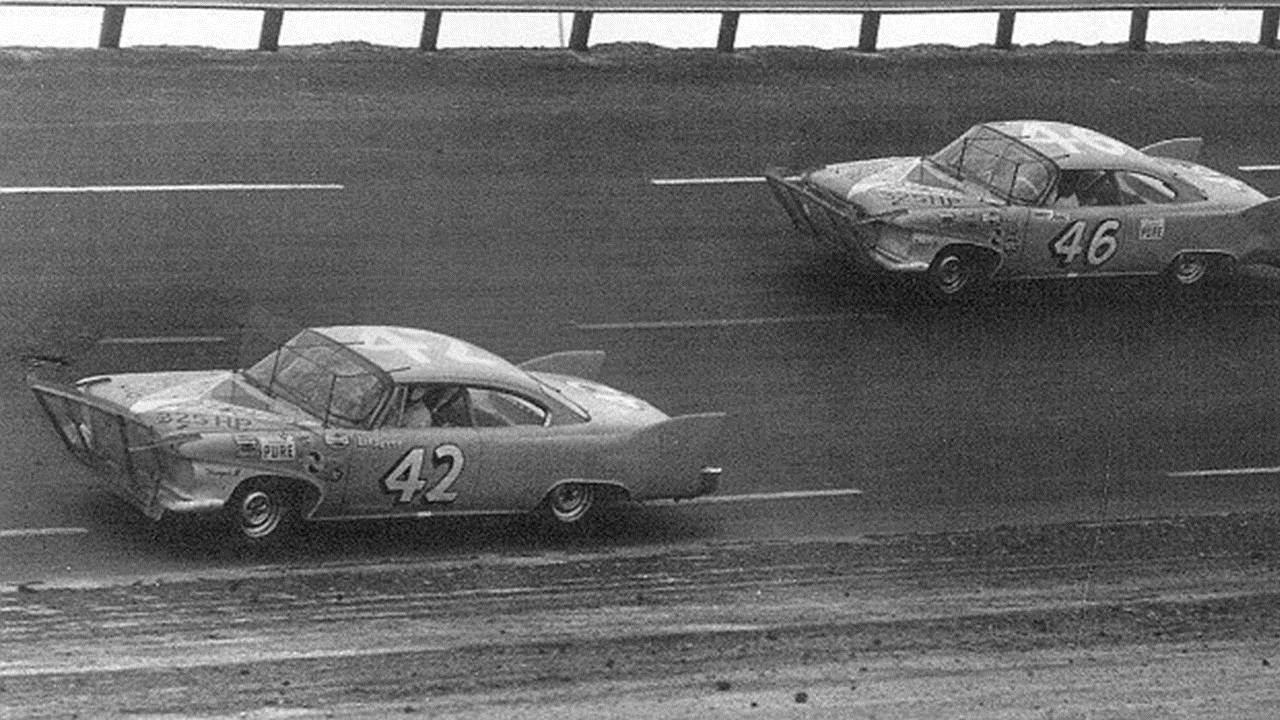
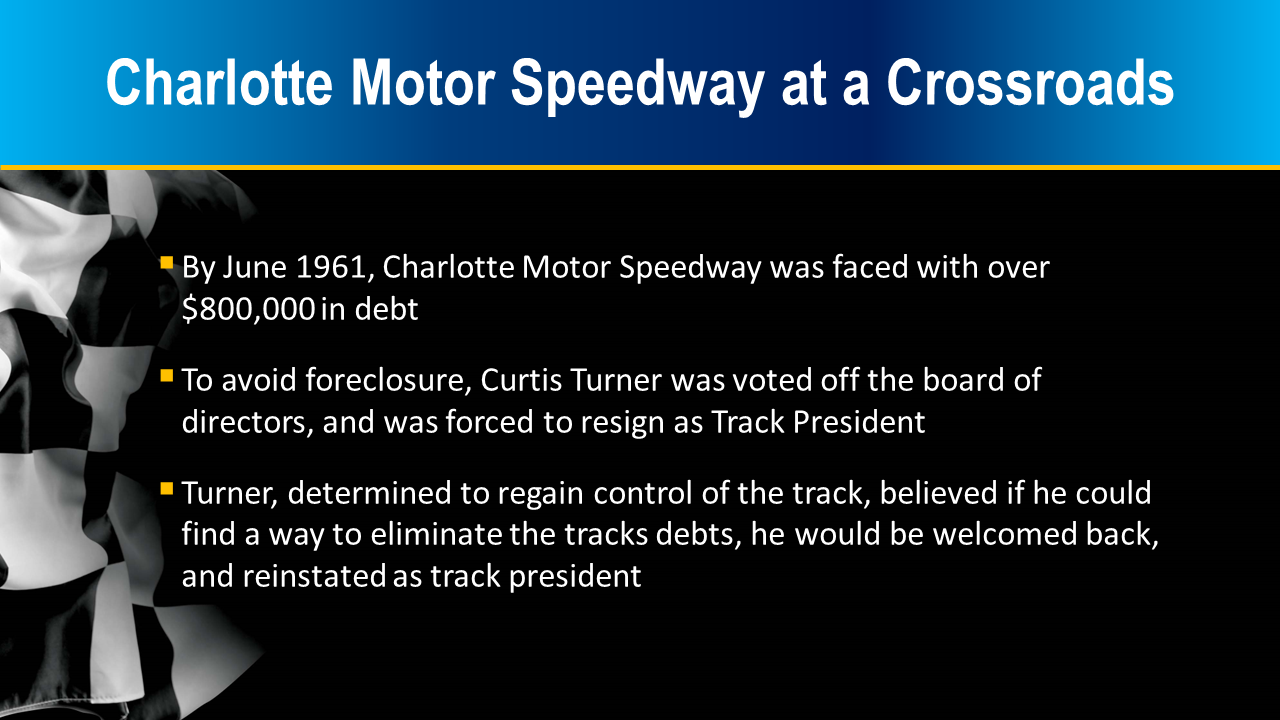
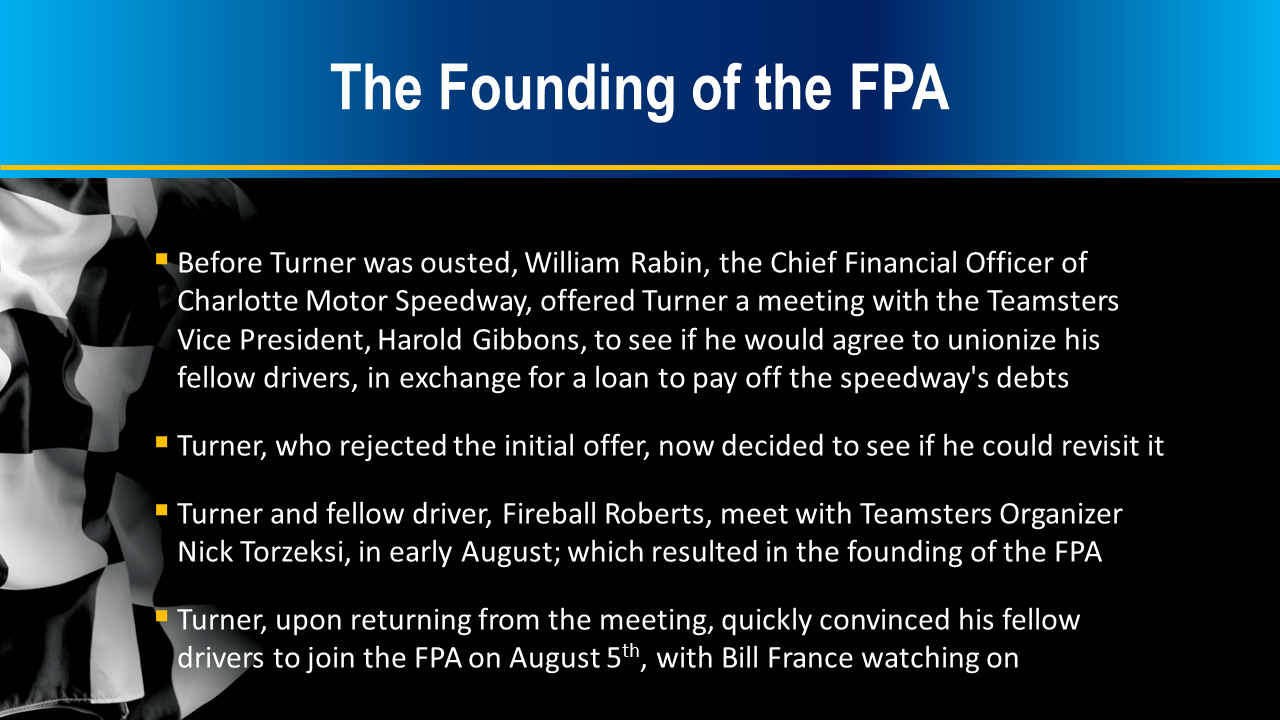
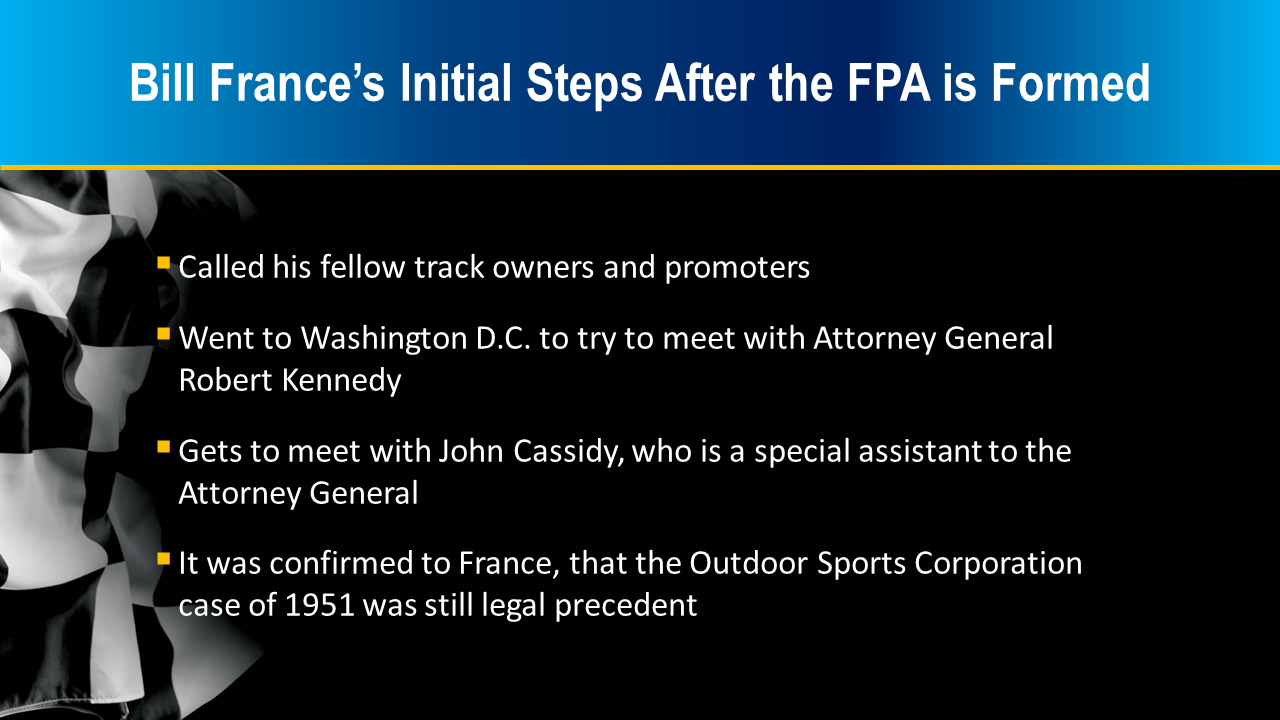
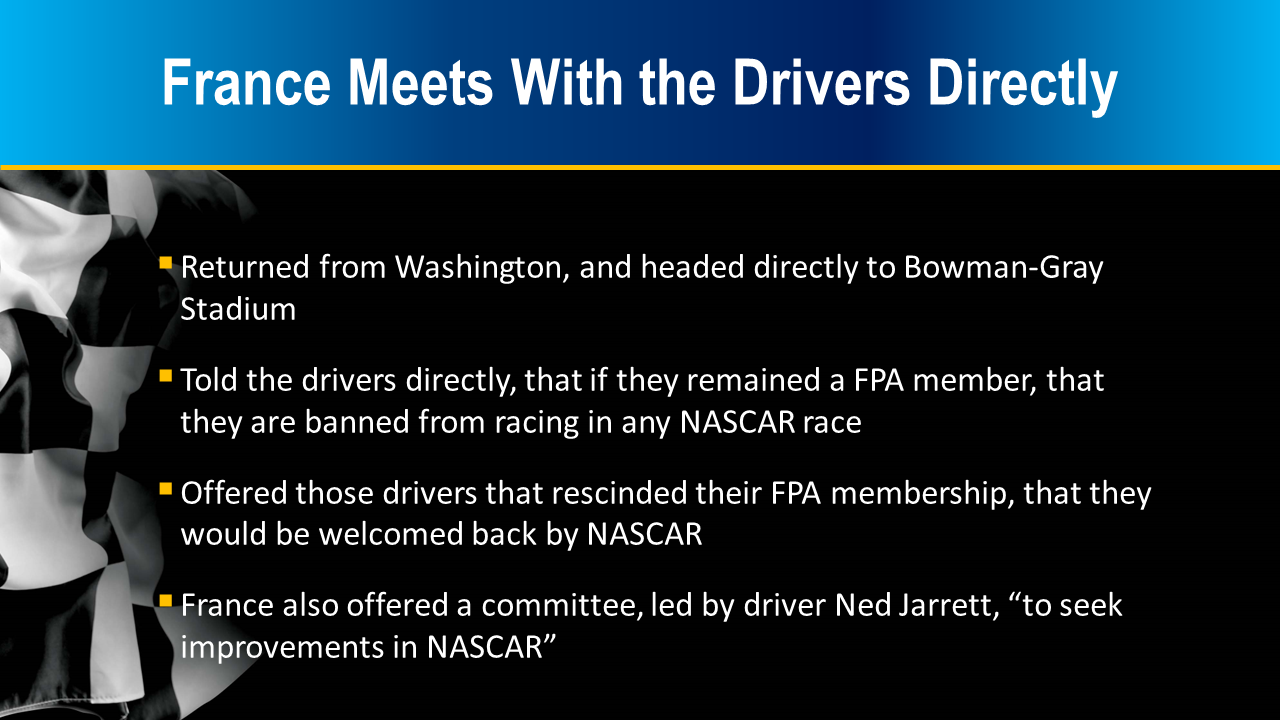
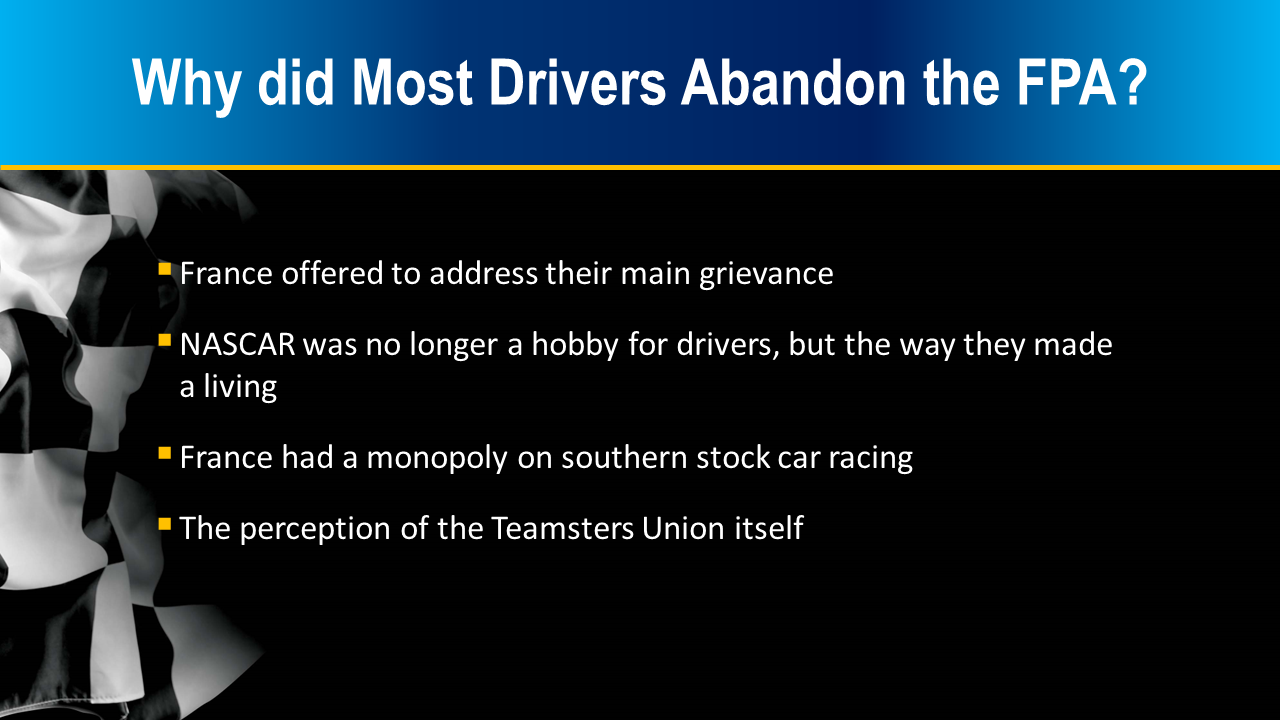
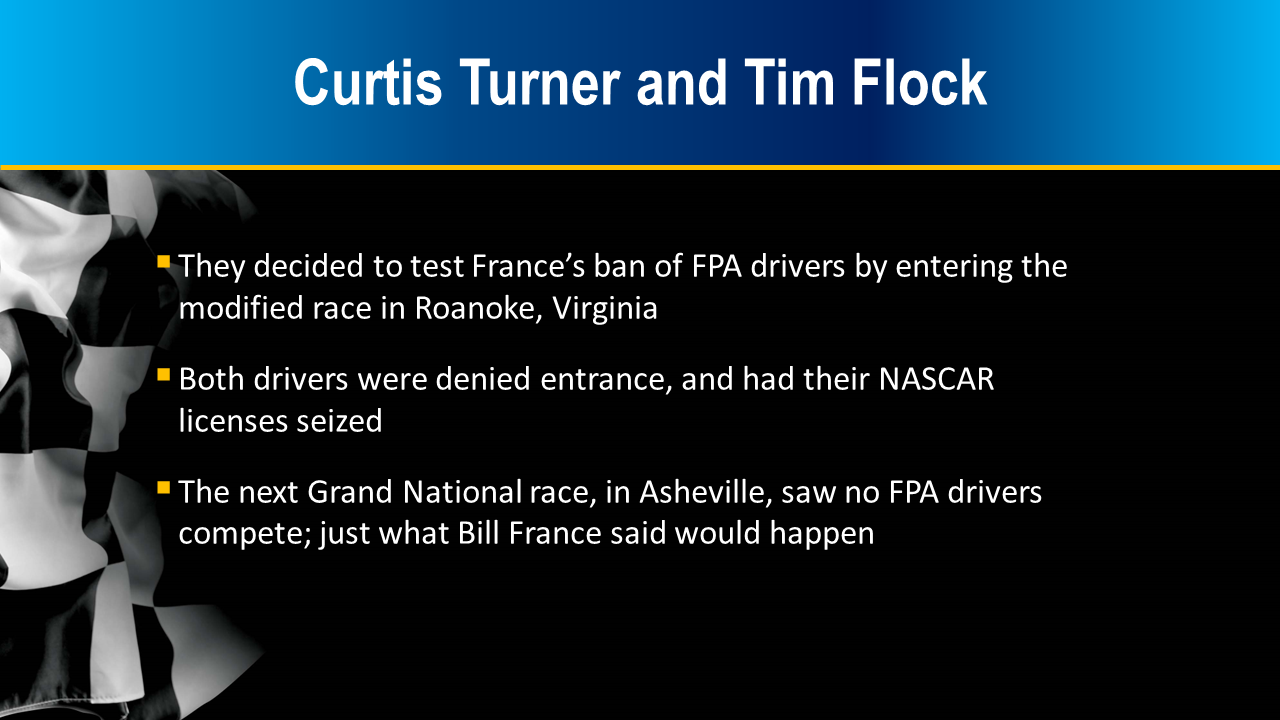
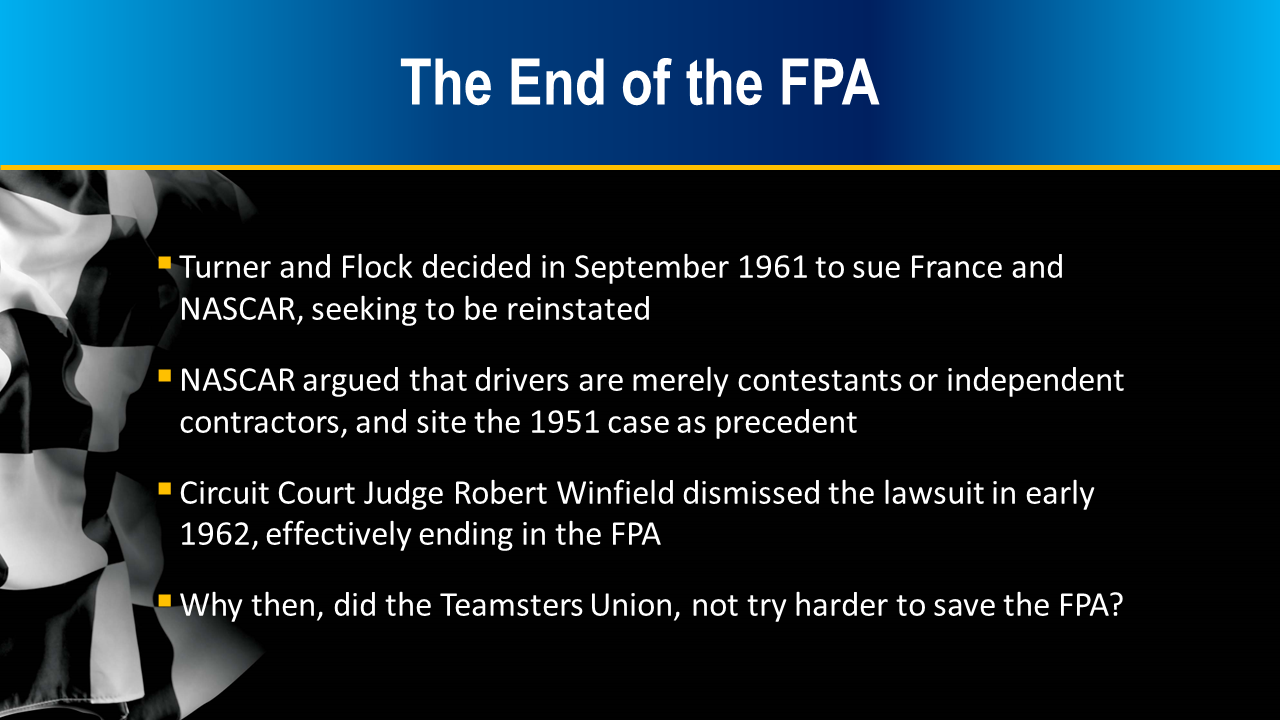
Mackenzie Kirkey’s presentation focuses on NASCAR driver Curtis Turner, the efforts of the International Brotherhood of Teamsters to unionize NASCAR drivers in 1961, and the tactics used by NASCAR’s Founder and President Bill France Sr. to try and thwart their attempts.
This episode is sponsored in part by: The International Motor Racing Research Center (IMRRC), The Society of Automotive Historians (SAH), The Watkins Glen Area Chamber of Commerce, and the Argetsinger Family – and was recorded in front of a live studio audience. And has been Edited, Remastered and Produced in partnership with the Motoring Podcast Network.
Bio
Mackenzie Kirkey received his MA in History from Brock University and his undergraduate degree in history from Bishops University.
Slides
Swipe left or right (or use the arrows/dots) to navigate through the presentation slides as you follow along with the episode.



Livestream
Other episodes you might enjoy
Buz McKim’s presentation explores the racing career of NASCAR’s iconic founder William “Bill” France and the origins of NASCAR in the late 1940s and early 1950s. Big Bill’s exploits are legendary and his captivating and sometimes overwhelming style belie his extraordinary contribution to the evolution of professional motor racing in America. McKim’s presentation is a deeply informed and sympathetic portrayal of the man and his accomplishments.
This episode is sponsored in part by: The International Motor Racing Research Center (IMRRC), The Society of Automotive Historians (SAH), The Watkins Glen Area Chamber of Commerce, and the Argetsinger Family – and was recorded in front of a live studio audience. And has been Edited, Remastered and Produced in partnership with the Motoring Podcast Network.
Bio

Buz McKim, formerly historian at the NASCAR Hall of Fame in Charlotte, NC, is a distinguished figure in the motor sports world and a much sought-after speaker at motorsports gatherings. Mr. McKim served as director of archives for International Speedway Corporation and as coordinator of statistical services for NASCAR. He is the author of The NASCAR Vault: An Official History Featuring Rare Collectibles from Motorsports Images and Archives.
McKim’s Legends of Racing Radio Show is a hugely popular forum for enthusiasts of the sport. Buz McKim was our Keynote Speaker for two prior Argetsinger symposia.
Slides
Swipe left or right (or use the arrows/dots) to navigate through the presentation slides as you follow along with the episode.
THERE ARE NO SLIDES WITH THIS PRESENTATION.
Livestream
Other episodes you might enjoy
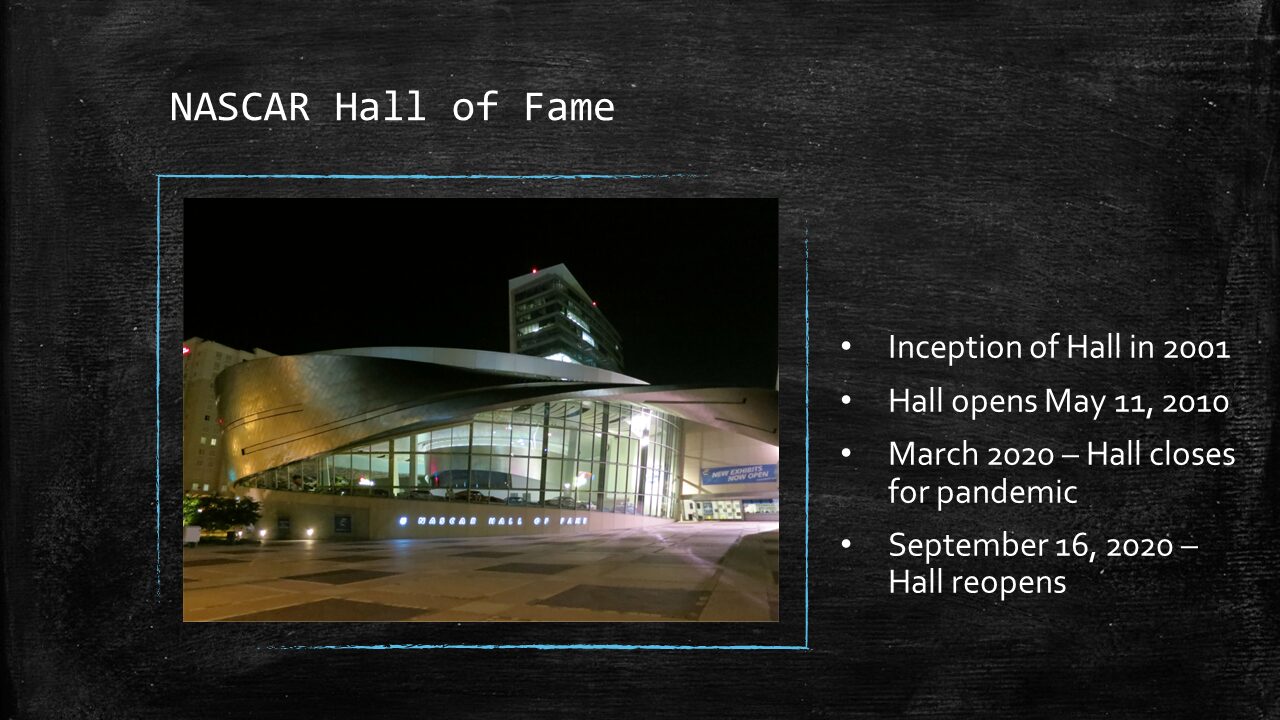
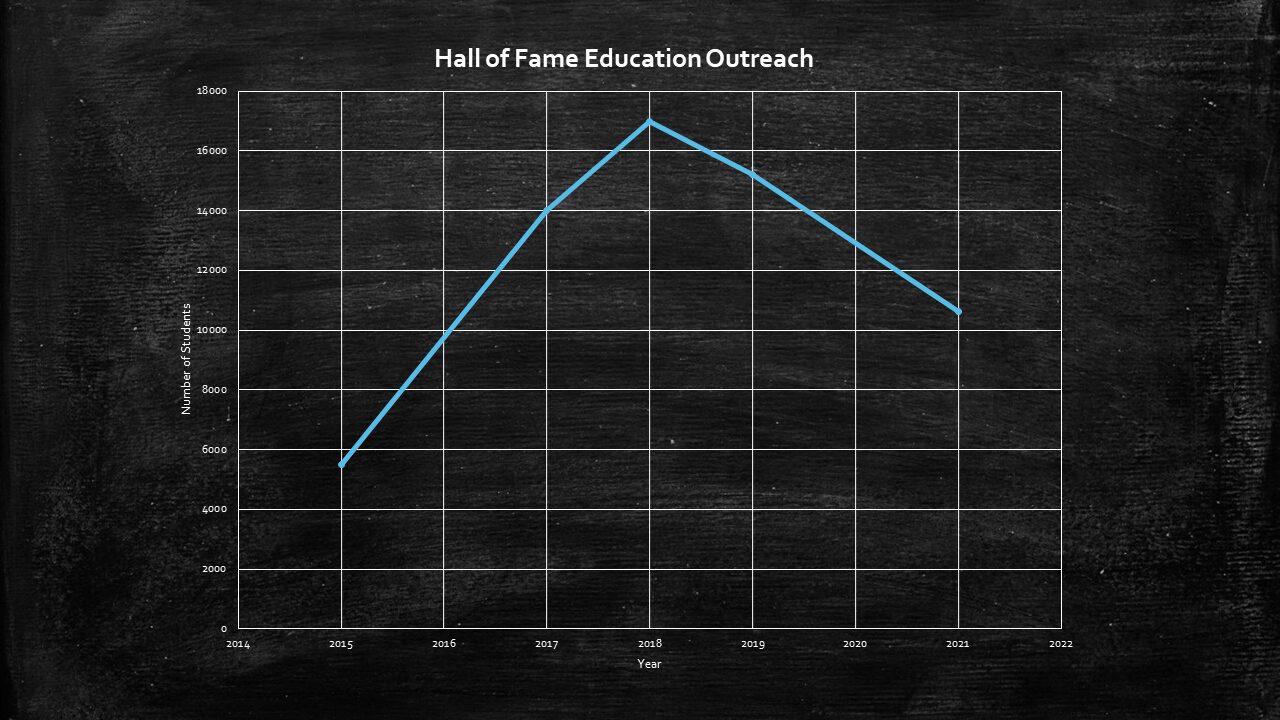
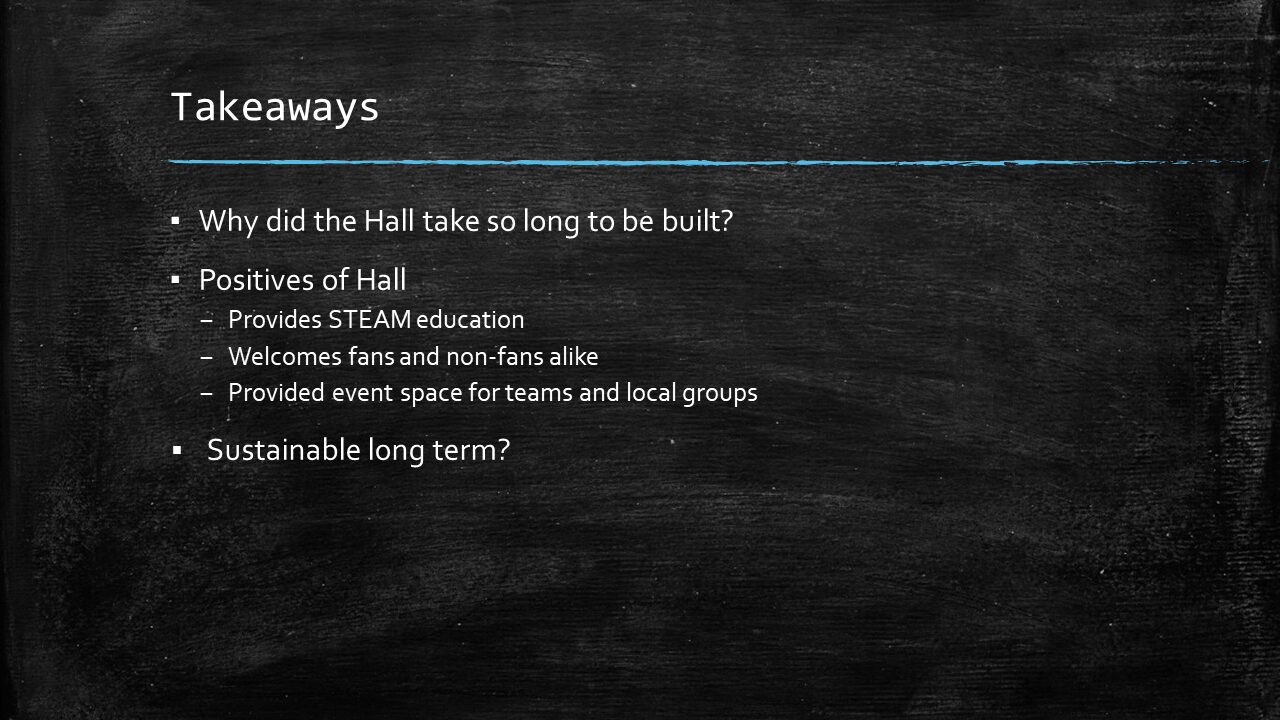
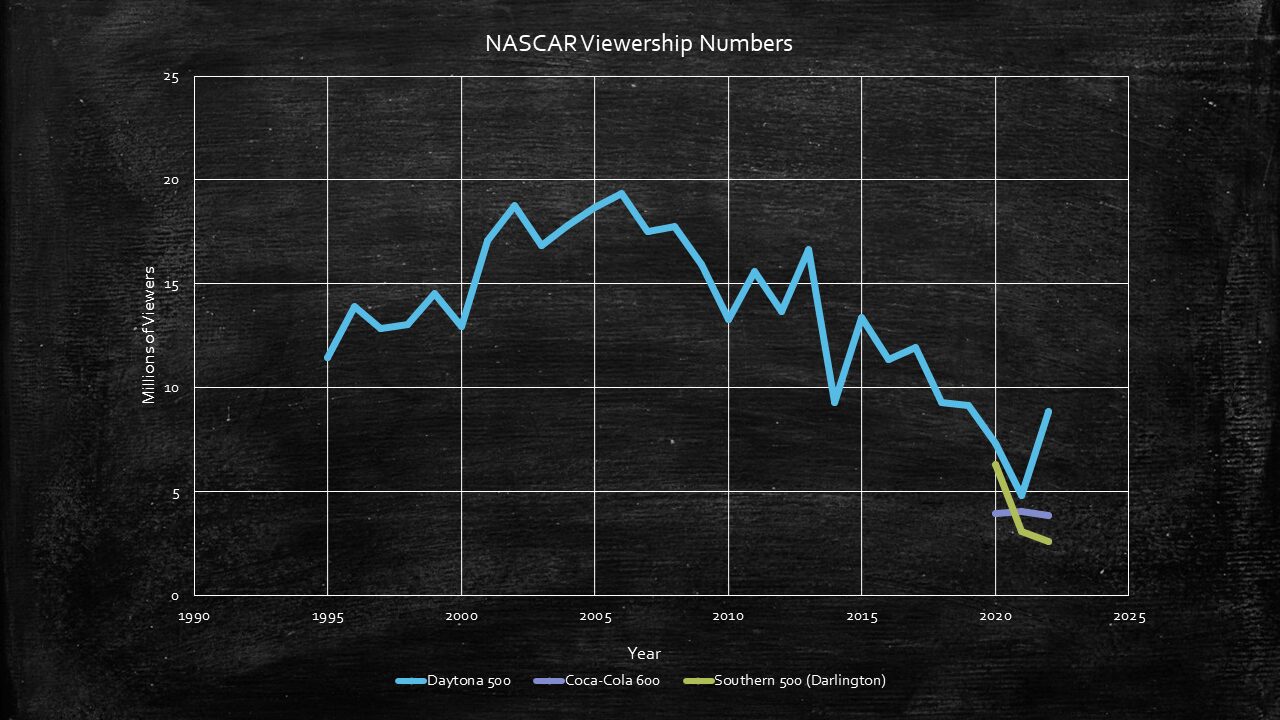
Hannah Thompson examines the history of the NASCAR Hall of Fame from its inception in 2001 through the global pandemic, bringing into consideration why Charlotte was selected as the seat for the Hall and how the Hall has affected NASCAR and its fans. Charlotte is often overlooked in motorsports history despite its lasting impact on the auto racing world.
This episode is sponsored in part by: The International Motor Racing Research Center (IMRRC), The Society of Automotive Historians (SAH), The Watkins Glen Area Chamber of Commerce, and the Argetsinger Family – and was recorded in front of a live studio audience. And has been Edited, Remastered and Produced in partnership with the Motoring Podcast Network.
Bio

Hannah Thompson is a cultural historian of the Carolina Piedmont and is new in the museum field with her current position with the Gaston County Museum of Art & History. Ms. Thompson also helps restore Coca-Cola “ghost signs” throughout the Southeast in her spare time.
Slides
Swipe left or right (or use the arrows/dots) to navigate through the presentation slides as you follow along with the episode.



Livestream
Other episodes you might enjoy