
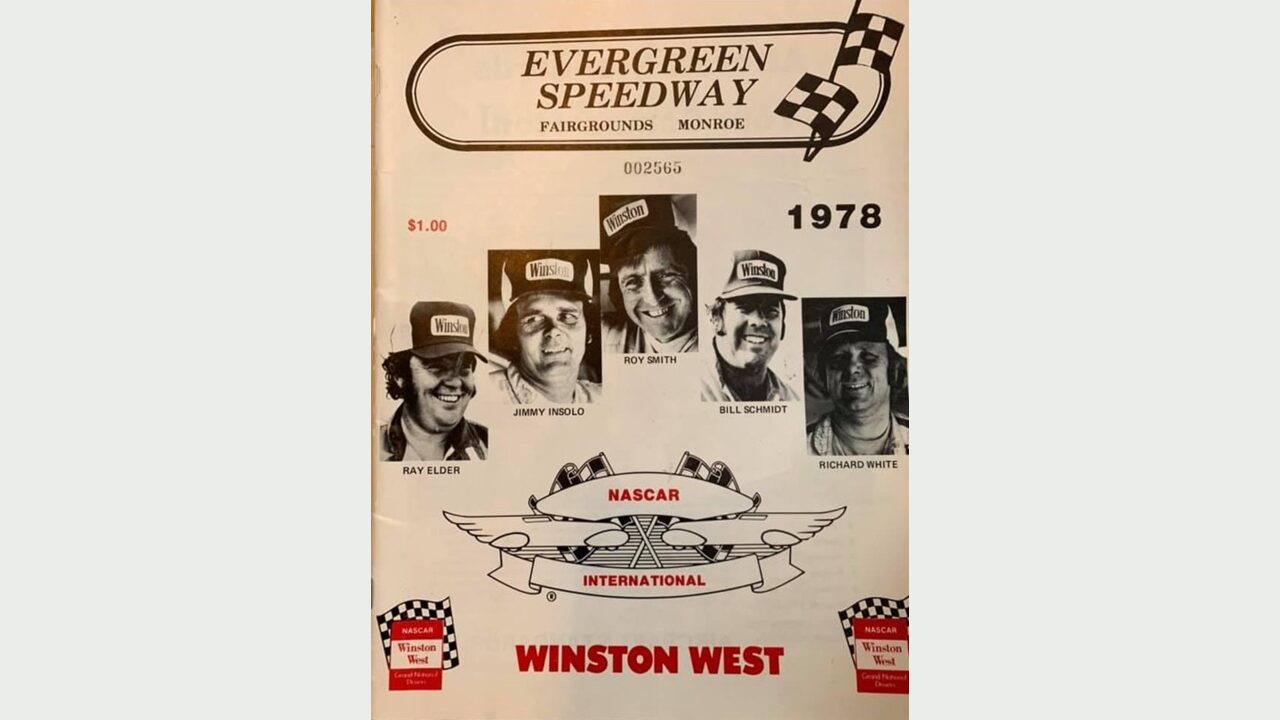
The OPEC Oil Embargo had a profound influence on sport, travel, and recreation throughout the U.S. In 1974, many feared racing could be banned for the first time since World War II. Competitors, spectators, fans, and the motorsports industry hoped normalcy would return to American motorsports as the 1975 season began.
Normalcy, however, did not play out in 1975. Both on and off the track, lasting changes in how American motorsports was sanctioned, where events would take place, and how it reached the masses was markedly different in 1979 than when the first green flag waved in January 1975.

The NASCAR Winston West Series was no exception. In 1975, the winningest champion in Series history tacked on a sixth and final title before suddenly semi-retiring to the family farm. Meanwhile, an age-defying lumberman who began racing in 1945 was still getting warmed up.
A 41-year-old journeyman Californian picked up his first championship in 1977—only to win again in 1979. One of the most prolific Canadian stock car drivers of all-time won his first race, and a one-time Series champion made a monumental impact at California’s iconic Riverside International Raceway—in a fraction of a race.
Normalcy? What a time it was!
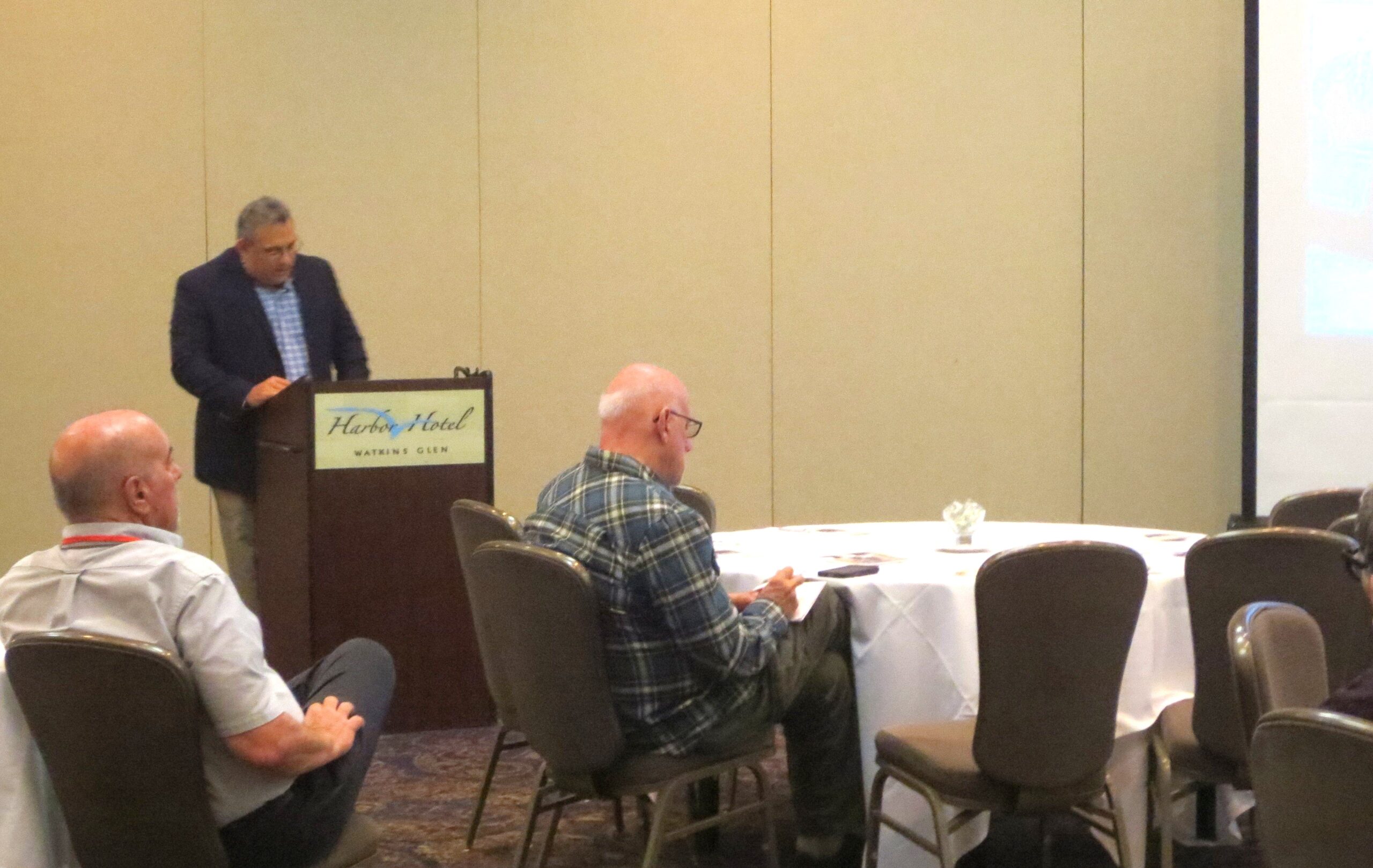
Dan Simone presenting at the 2025 Argetsinger Symposium, photo courtesy Bob Barr, SAH
Bio
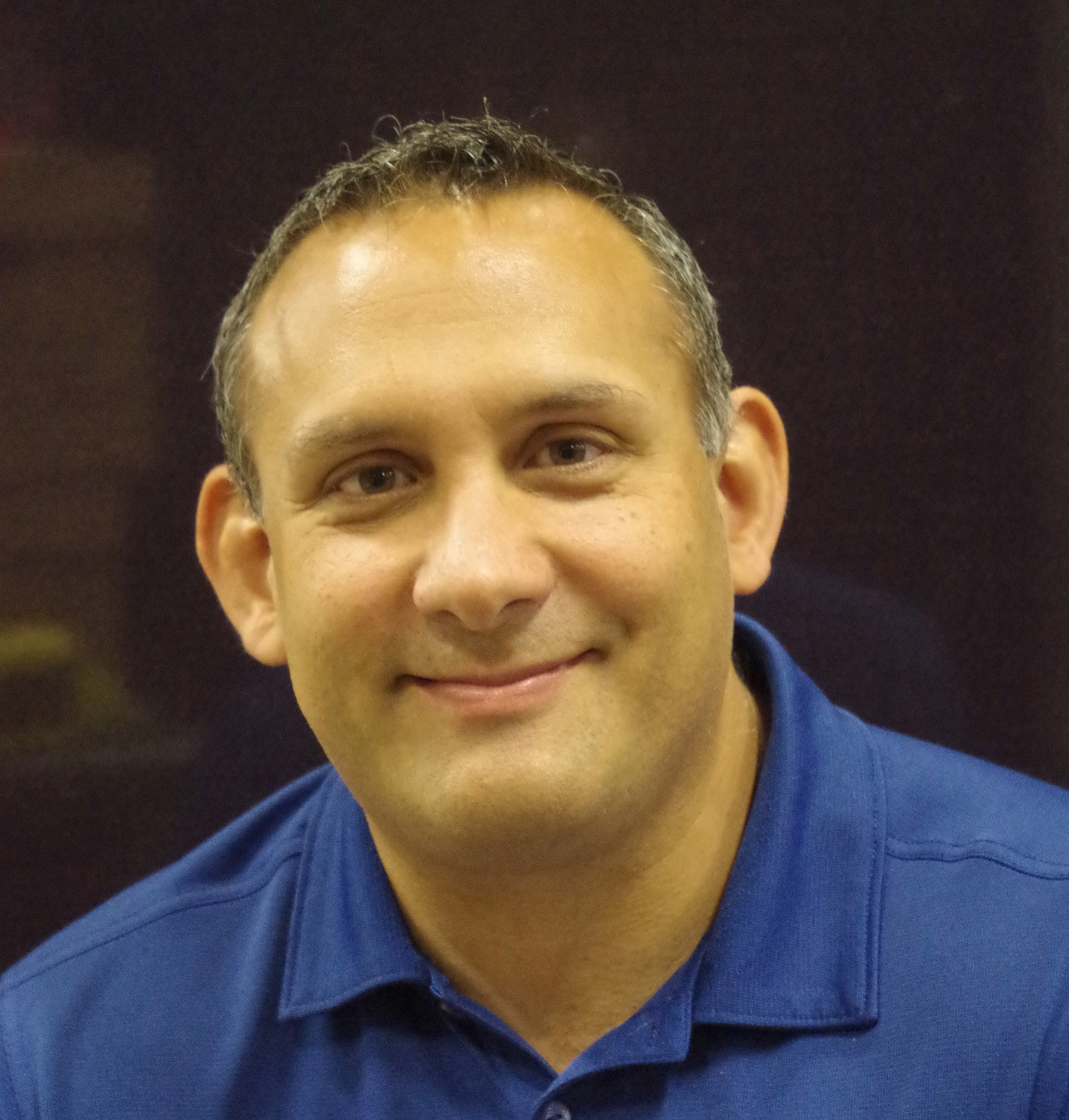
Daniel J. Simone earned his Ph.D. in American History from the University of Florida in 2009. From 2010-2015, Dr. Simone taught World History and Environmental History at Monmouth University. Curator of the NASCAR Hall of Fame in Charlotte, North Carolina, and held that position through 2021. The following year, he was tabbed to assist the New York Historical Society Museum & Library, where he co-processed the Women’s Sports Foundation Collection and developed content for digital exhibition. Dr. Simone is on the editorial board of the Journal of Motorsport Culture & History and serves on the Indianapolis Motor Speedway Hall of Fame Voting Committee.
Slides
Swipe left or right (or use the arrows/dots) to navigate through the presentation slides as you follow along with the episode.


This episode is sponsored in part by: The International Motor Racing Research Center (IMRRC), The Society of Automotive Historians (SAH), The Watkins Glen Area Chamber of Commerce, and the Argetsinger Family – and was recorded in front of a live studio audience. And has been Edited, Remastered and Produced in partnership with the Motoring Podcast Network.
Other episodes you might enjoy
[wbcr_php_snippet id=”9959″ type=”2″]