
This presentation explores the sociocultural significance of 1965: one year when new technologies emerged, ambitious plans took shape, and history was made across multiple fronts in motorsports and space exploration.
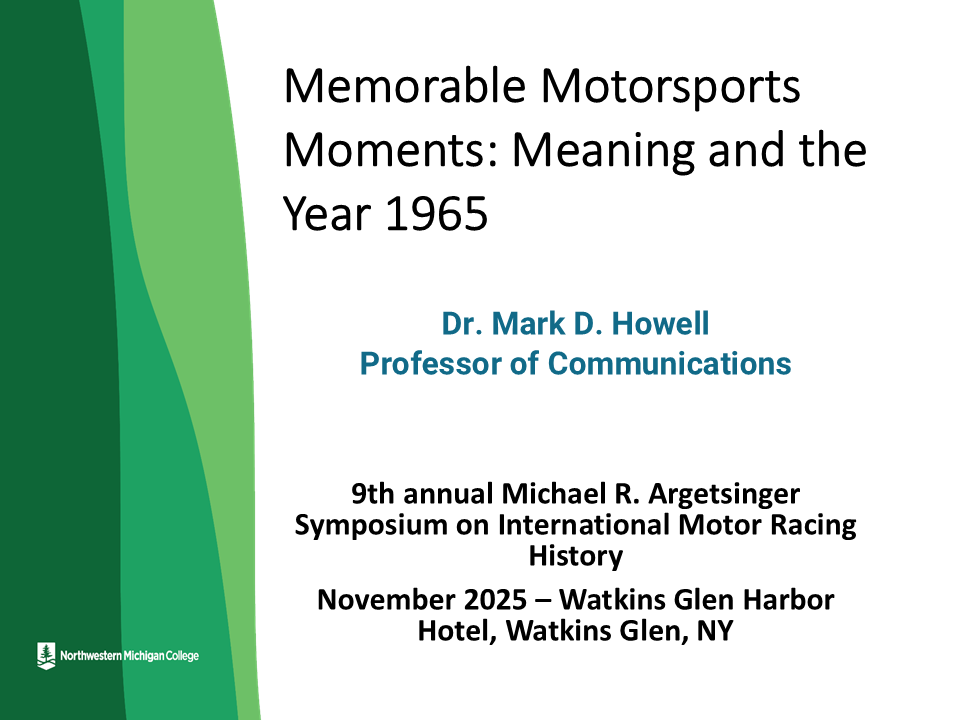
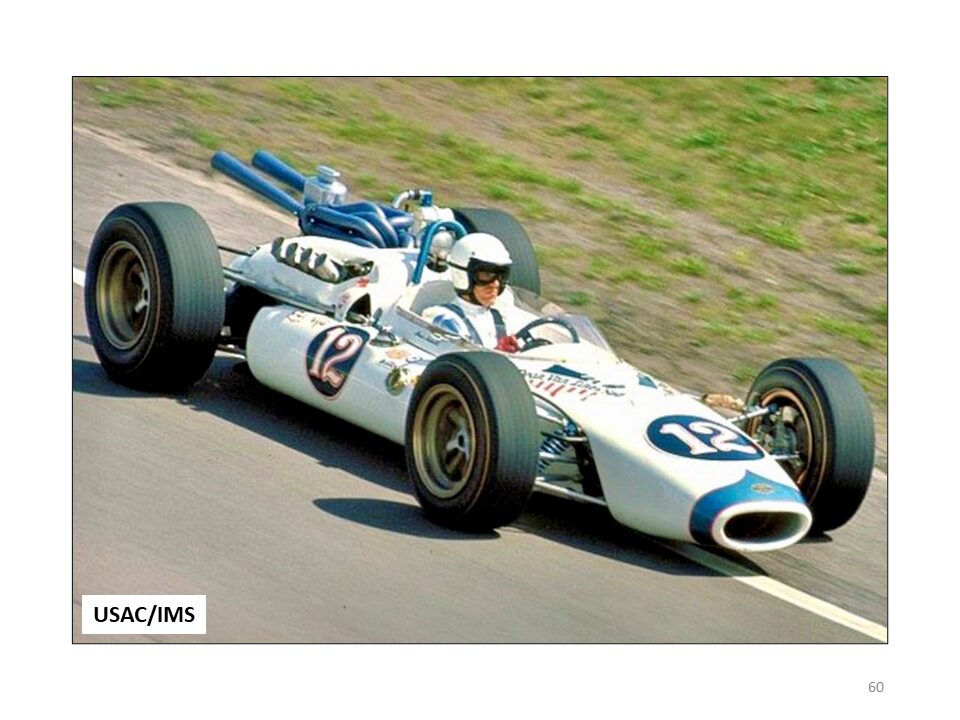
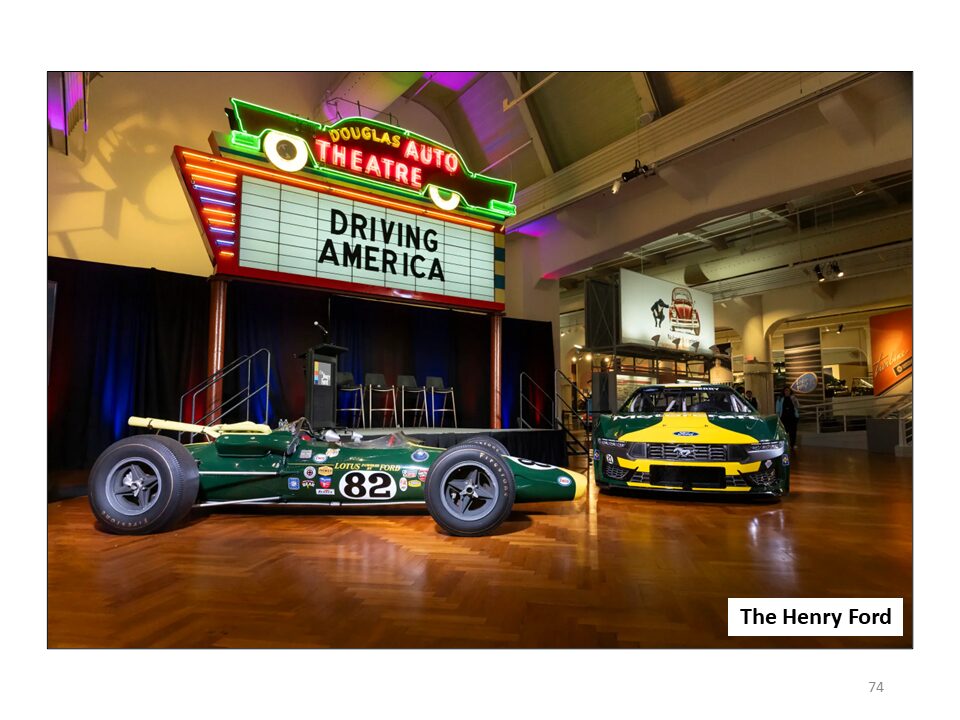
The discussion highlights groundbreaking motor racing events as well as significant space explorations of 1965. It also acknowledges the innovators who reshaped international motorsports sixty years ago – individuals and achievements that stand as defining forces in a pivotal year for motor racing history.
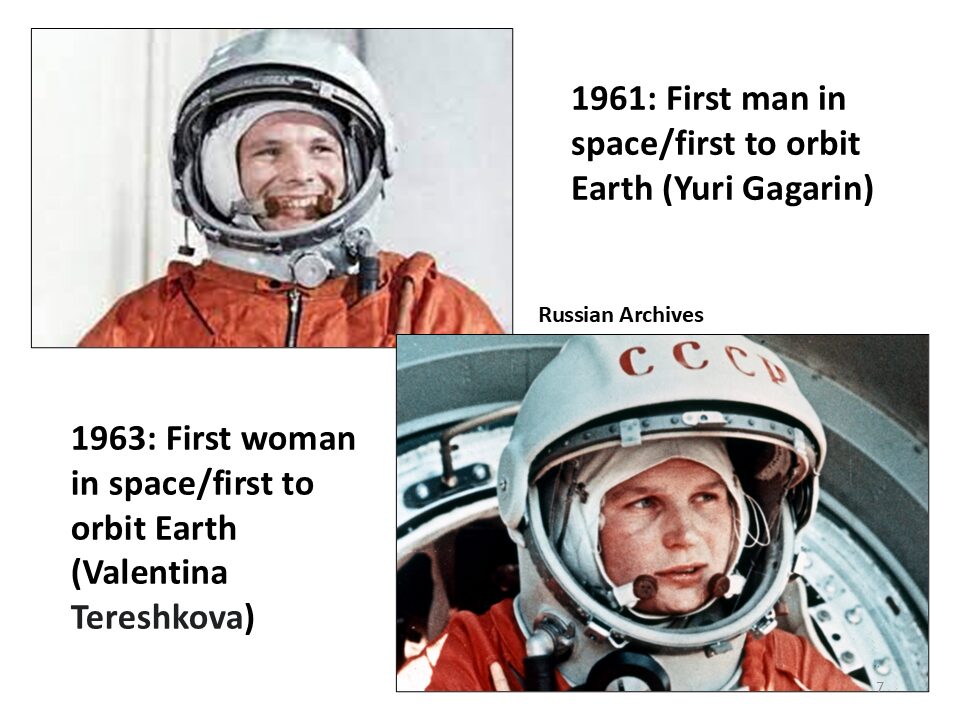
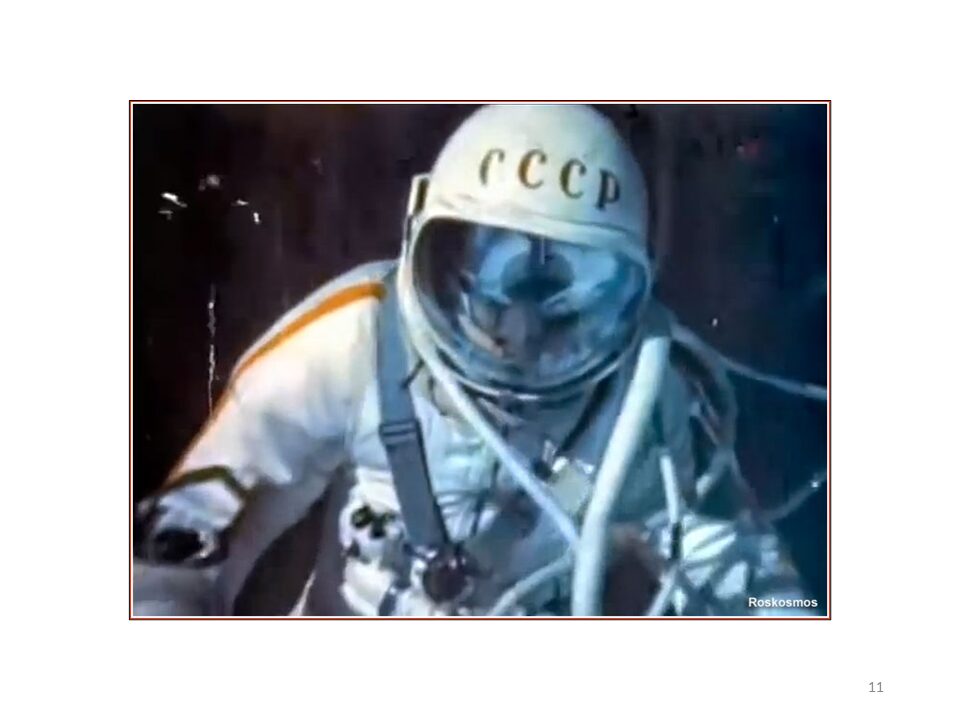
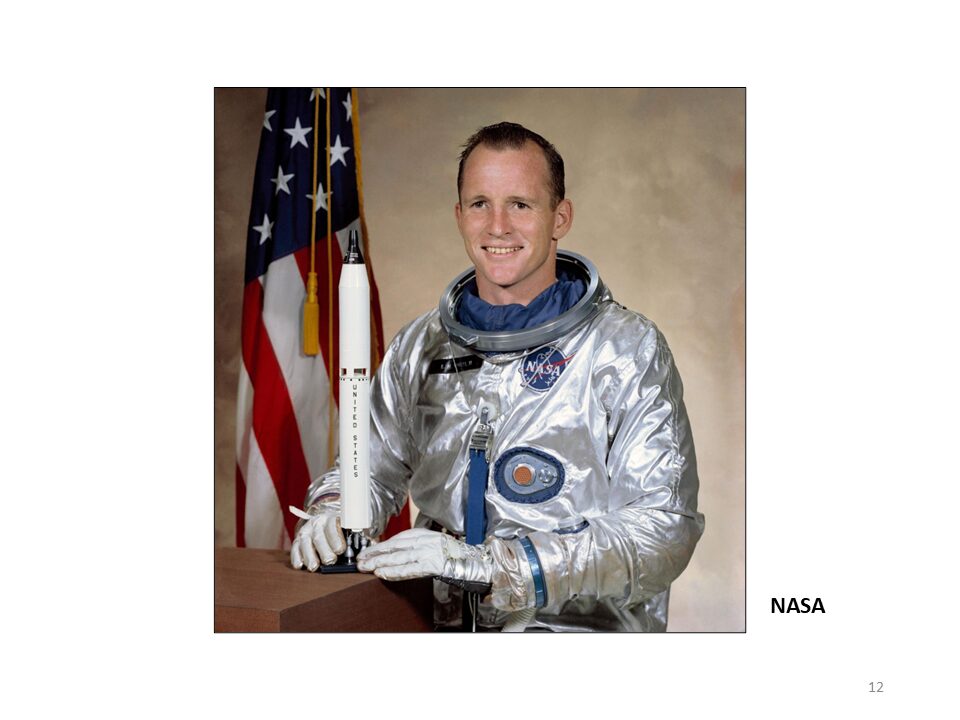
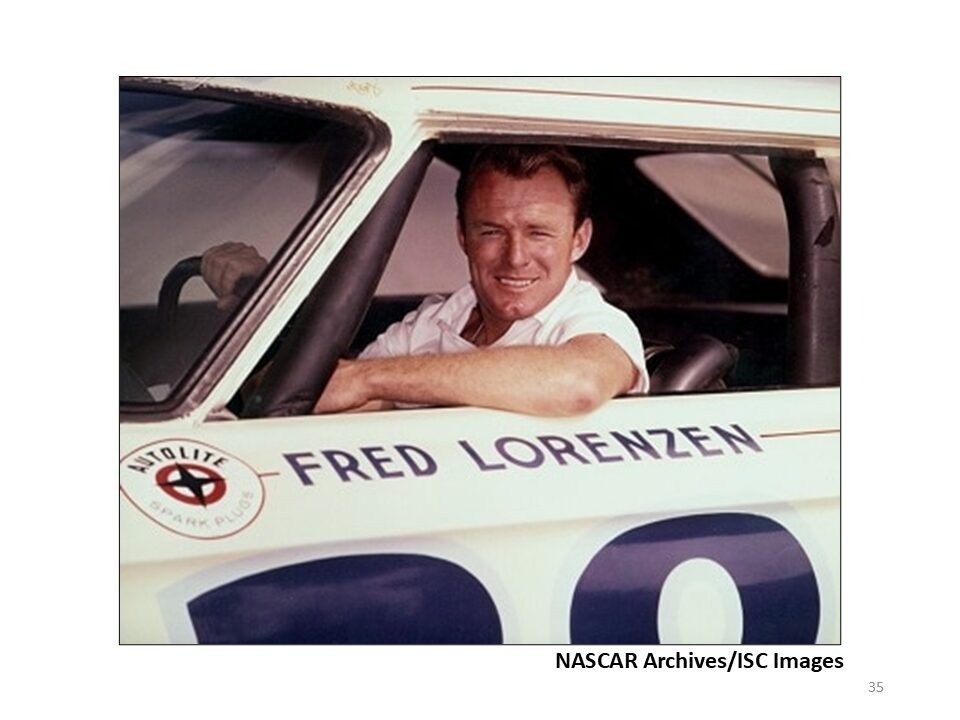
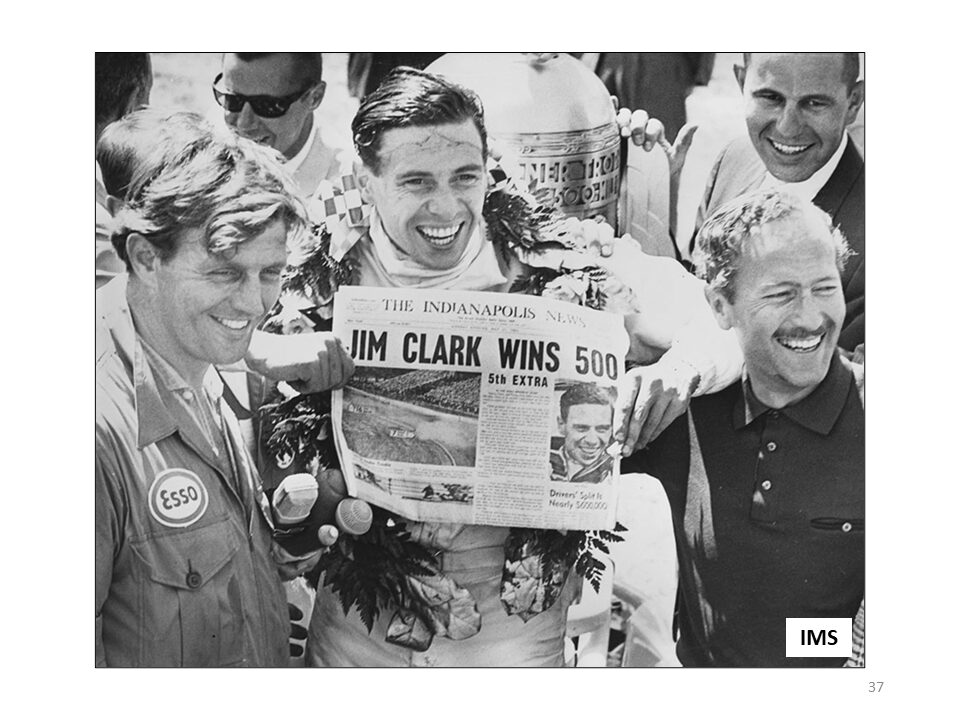
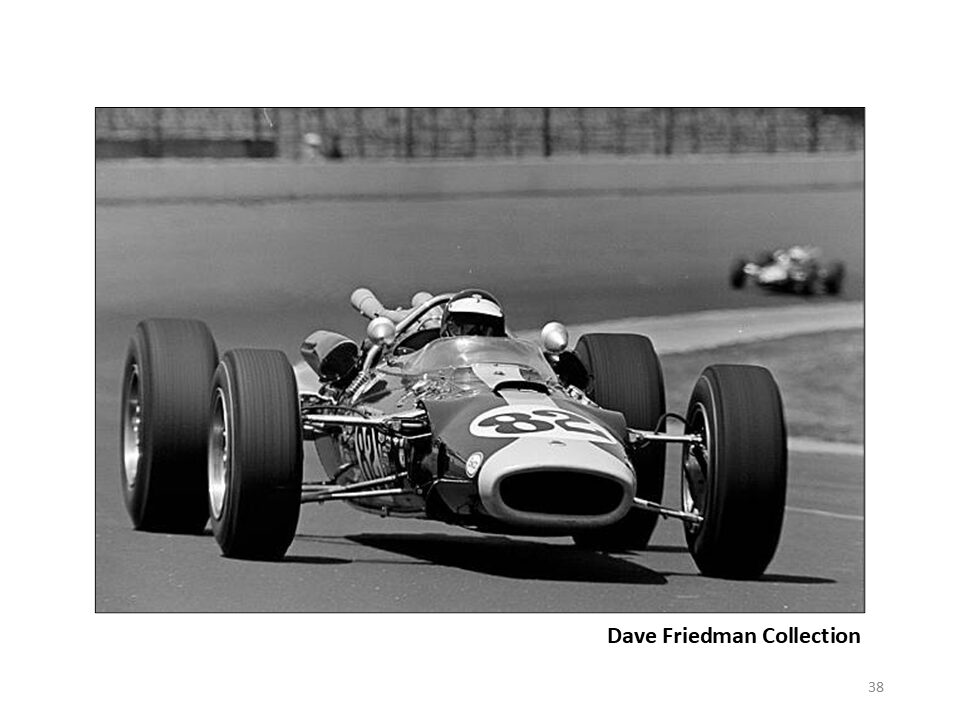
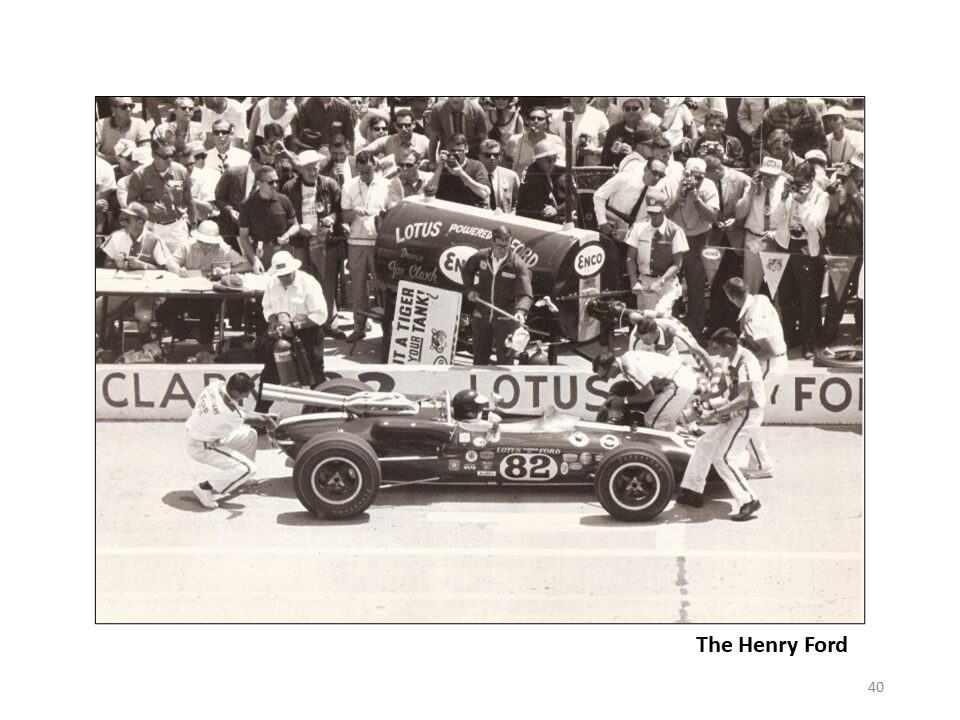
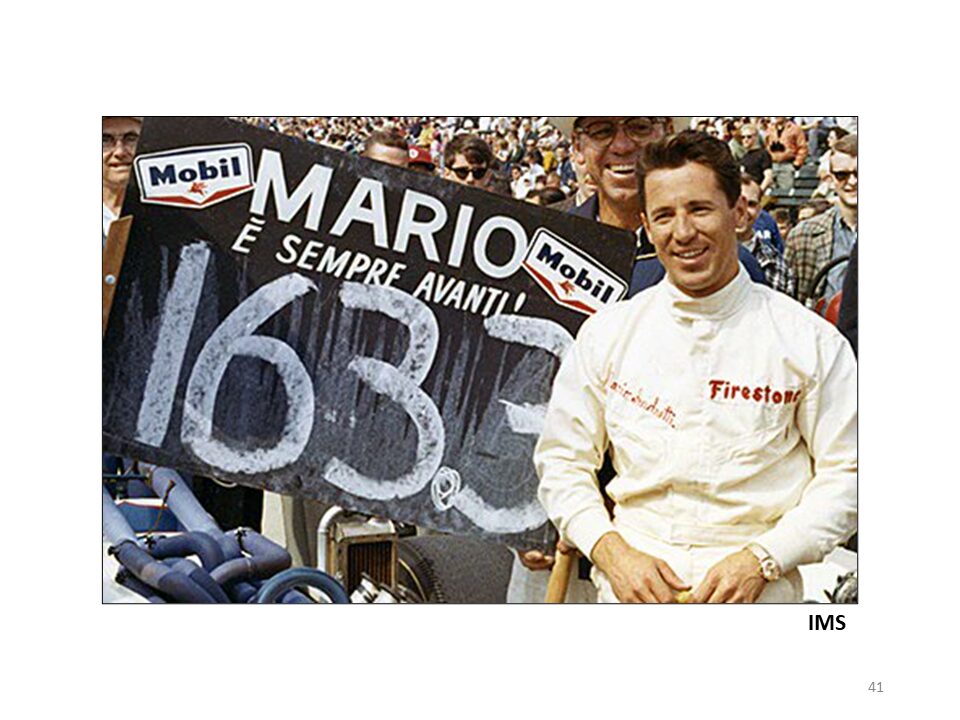
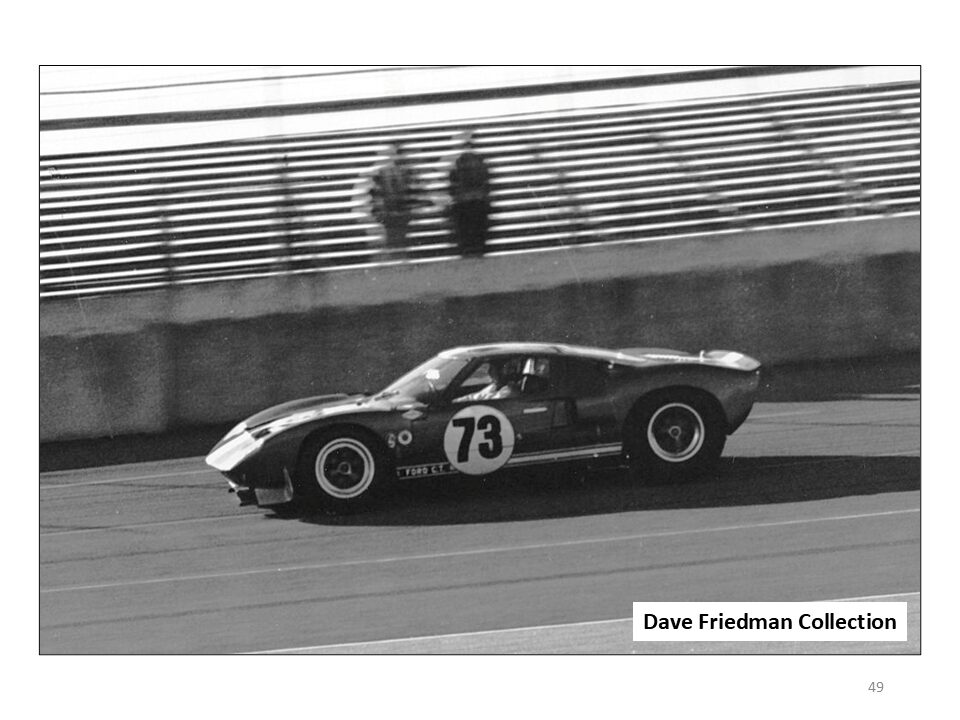
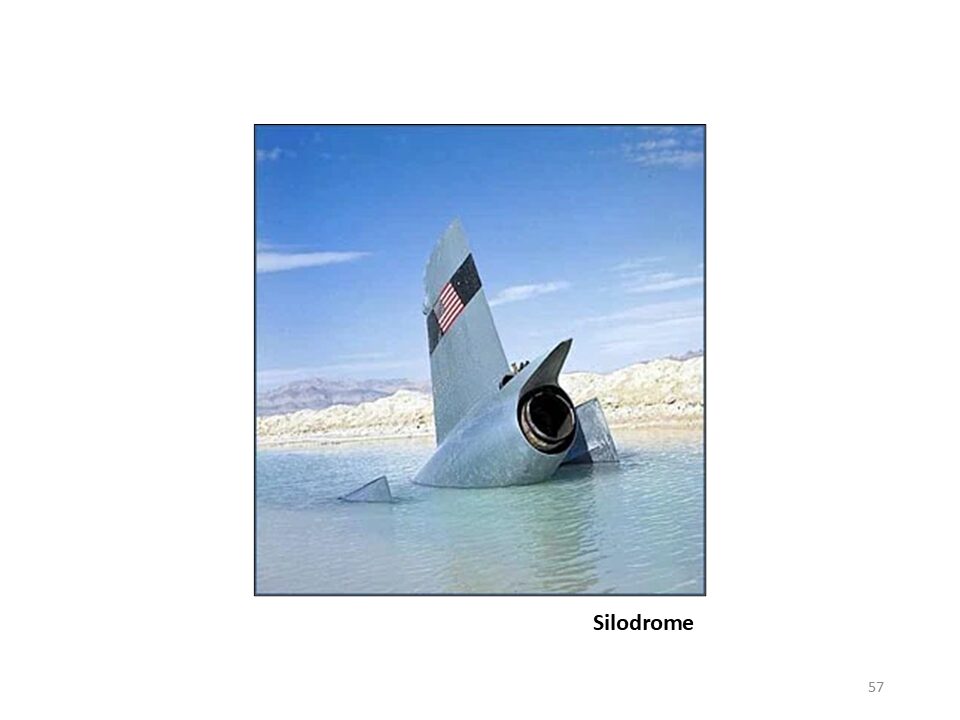
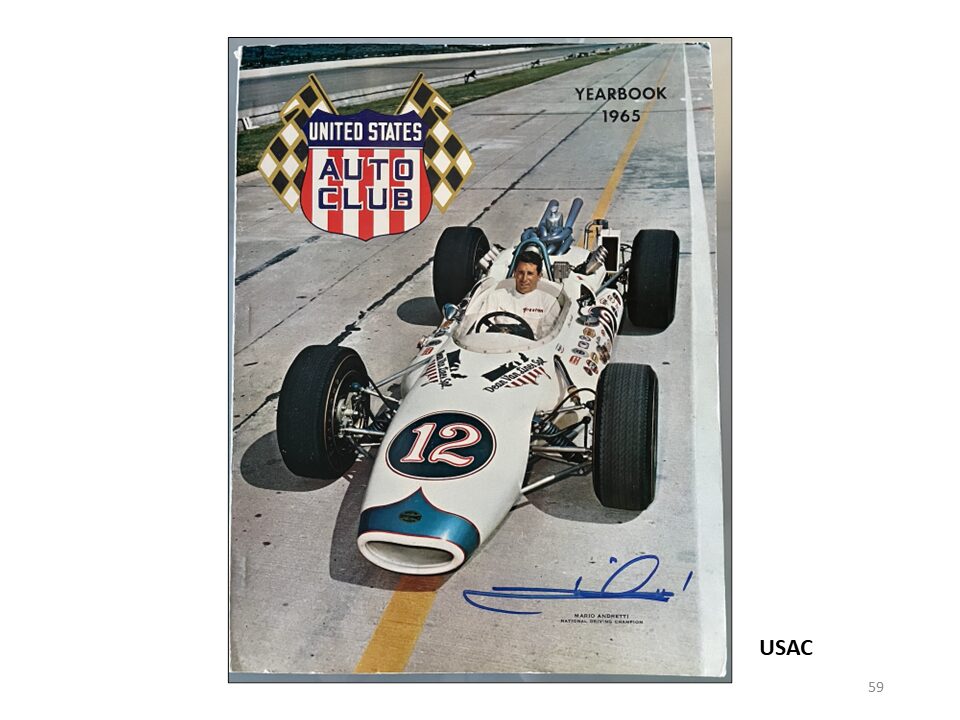
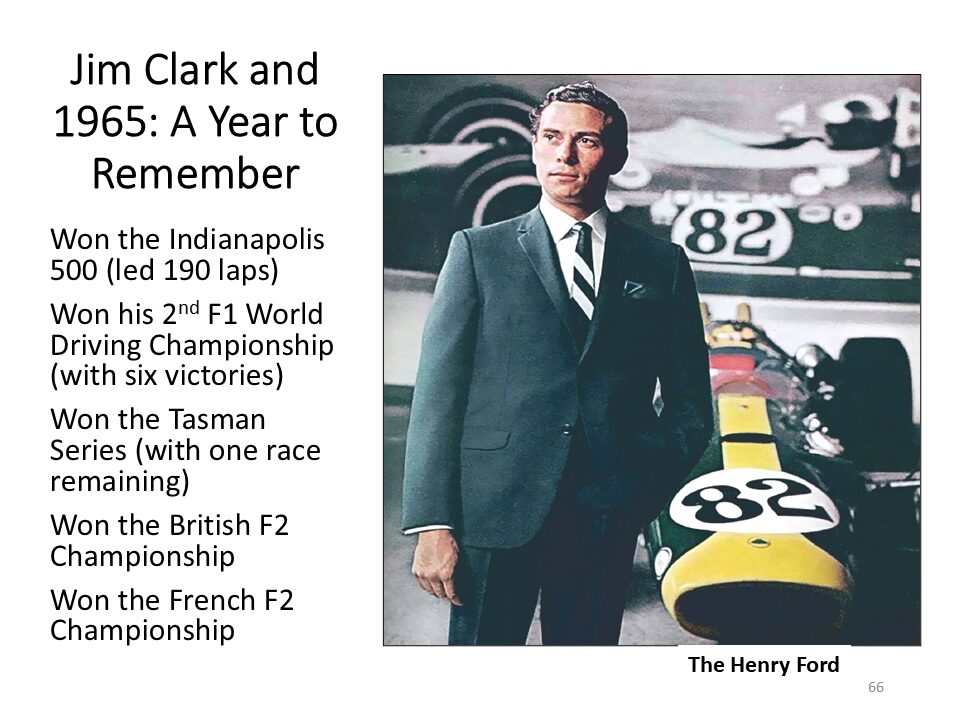
Dr. Howell proposes that the past six decades of motorsports and crewed space exploration were directly shaped by the innovations, inventions, and intentions of 1965. It was a year that showcased the exceptional talents of Fred Lorenzen, Frank Borman, Jim Clark, Ed White, Dan Gurney, Jim Lovell, and others, all while establishing a benchmark for the technological and competitive advances that followed. What was accomplished during 1965 continues to influence the areas of both motor racing and space exploration to this day.
Bio

Dr. Mark D. Howell has been involved with motorsports his entire life (thus far). He earned a BA in English in 1987 and an MA in American Studies in 1990 from Penn State, then earned a Ph.D. in American Culture Studies from Bowling Green State University in 1995. His dissertation evolved into From Moonshine to Madison Avenue: A Cultural History of the NASCAR Winston Cup Series, published in 1997. In 2014, Howell co-edited (with Dr. John Miller of Longwood University) Motorsports and American Culture: From Demolition Derbies to NASCAR.
Howell’s full-time job since August of 1997 has been as a Professor of Communications at Northwestern Michigan College in Traverse City. He spent two years before NMC as a Visiting Assistant Professor in the Department of American Thought and Language at Michigan State University. Mark has also taught advanced courses for Tiffin University, Oakland University, Ferris State University, and Davenport University. Dr. Howell is on the Board of Directors of the Society of Automotive Historians, and is editor of the SAH’s Automotive History Review.
Slides
Swipe left or right (or use the arrows/dots) to navigate through the presentation slides as you follow along with the episode.








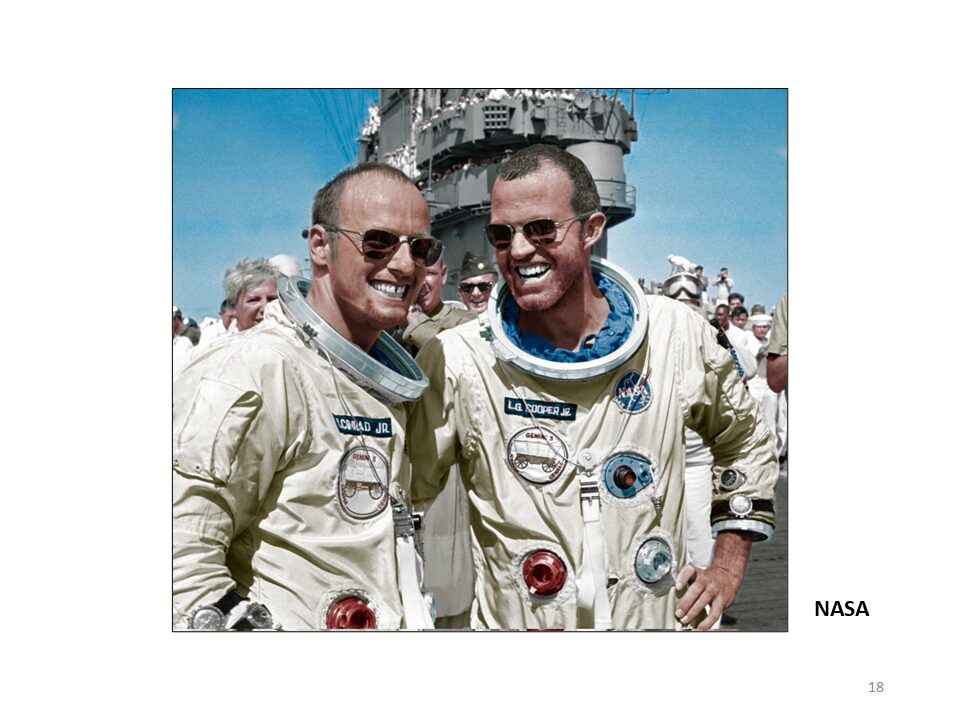


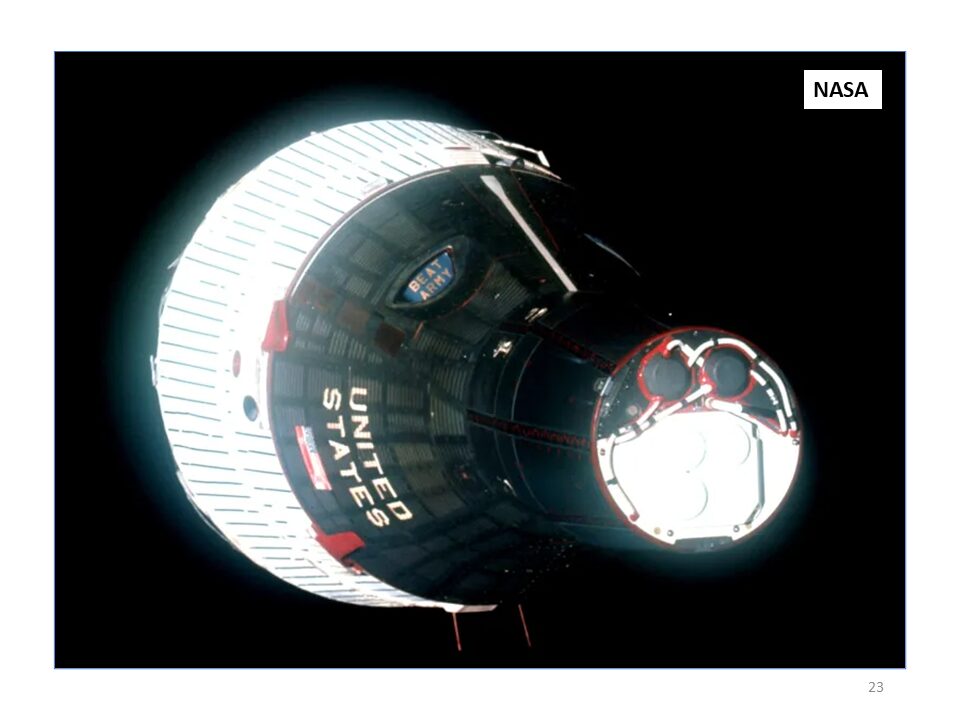
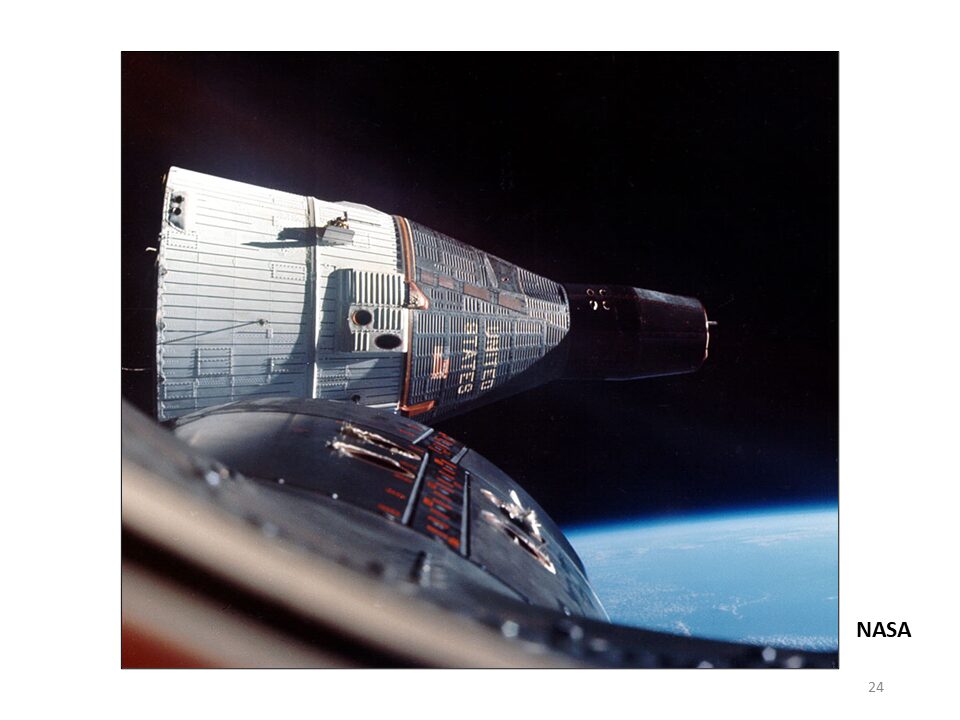


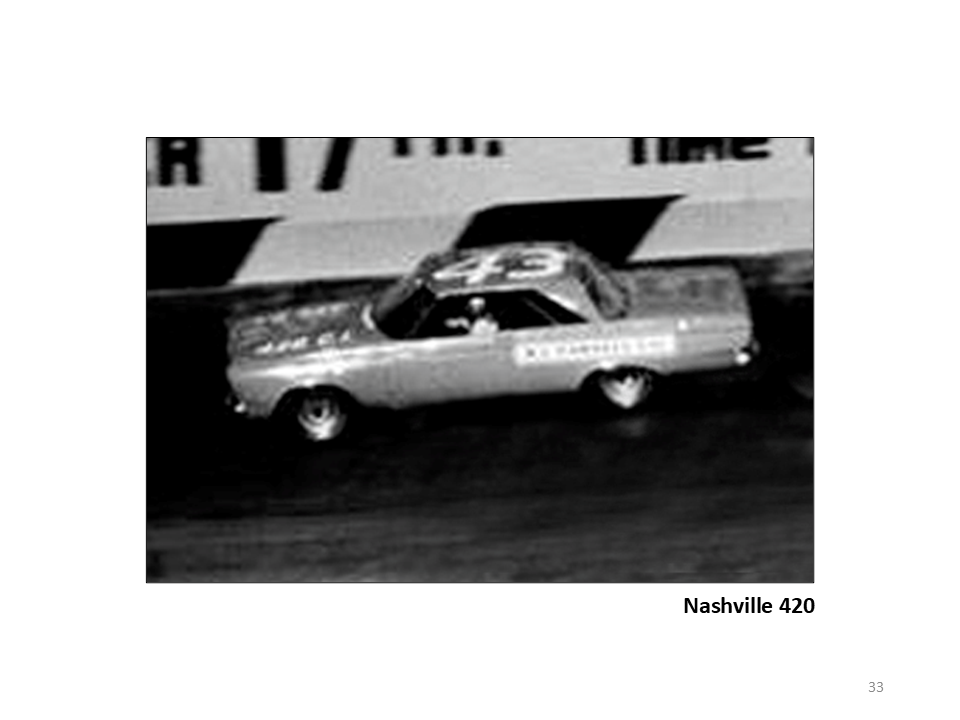















This episode is sponsored in part by: The International Motor Racing Research Center (IMRRC), The Society of Automotive Historians (SAH), The Watkins Glen Area Chamber of Commerce, and the Argetsinger Family – and was recorded in front of a live studio audience. And has been Edited, Remastered and Produced in partnership with the Motoring Podcast Network.
Other episodes you might enjoy
[wbcr_php_snippet id=”9959″ type=”2″]