
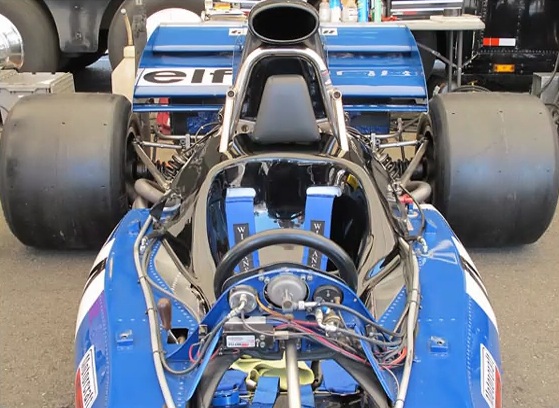
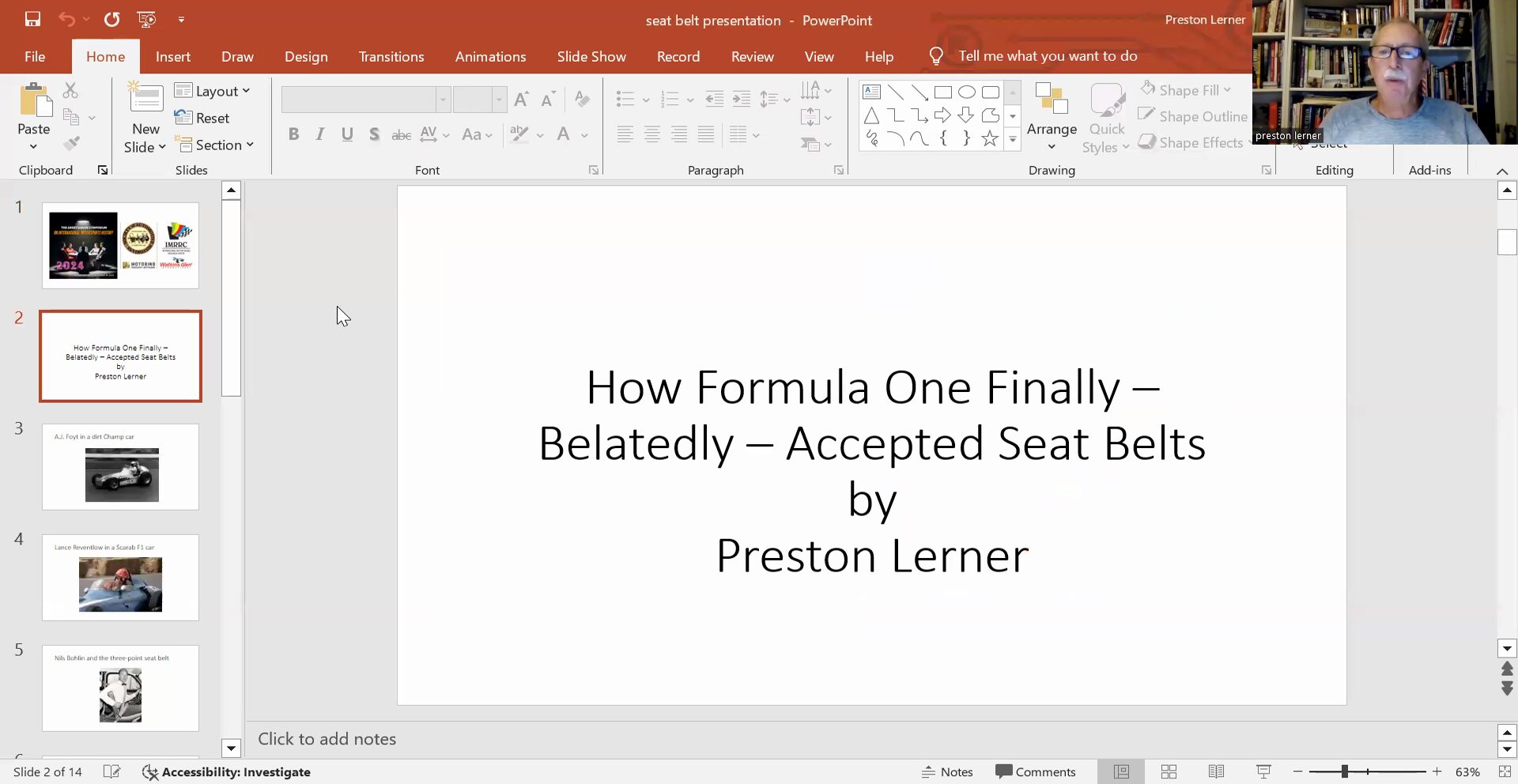
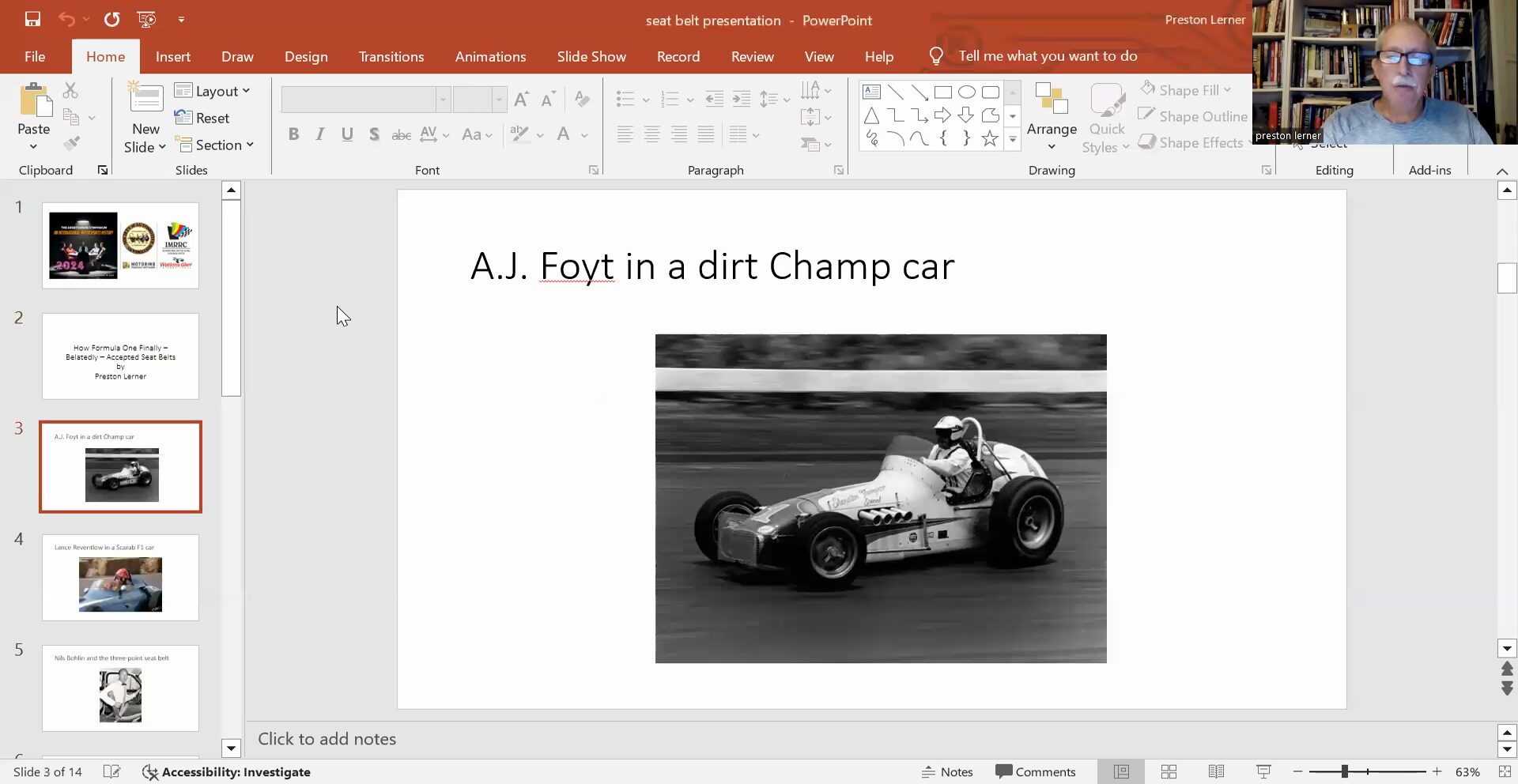
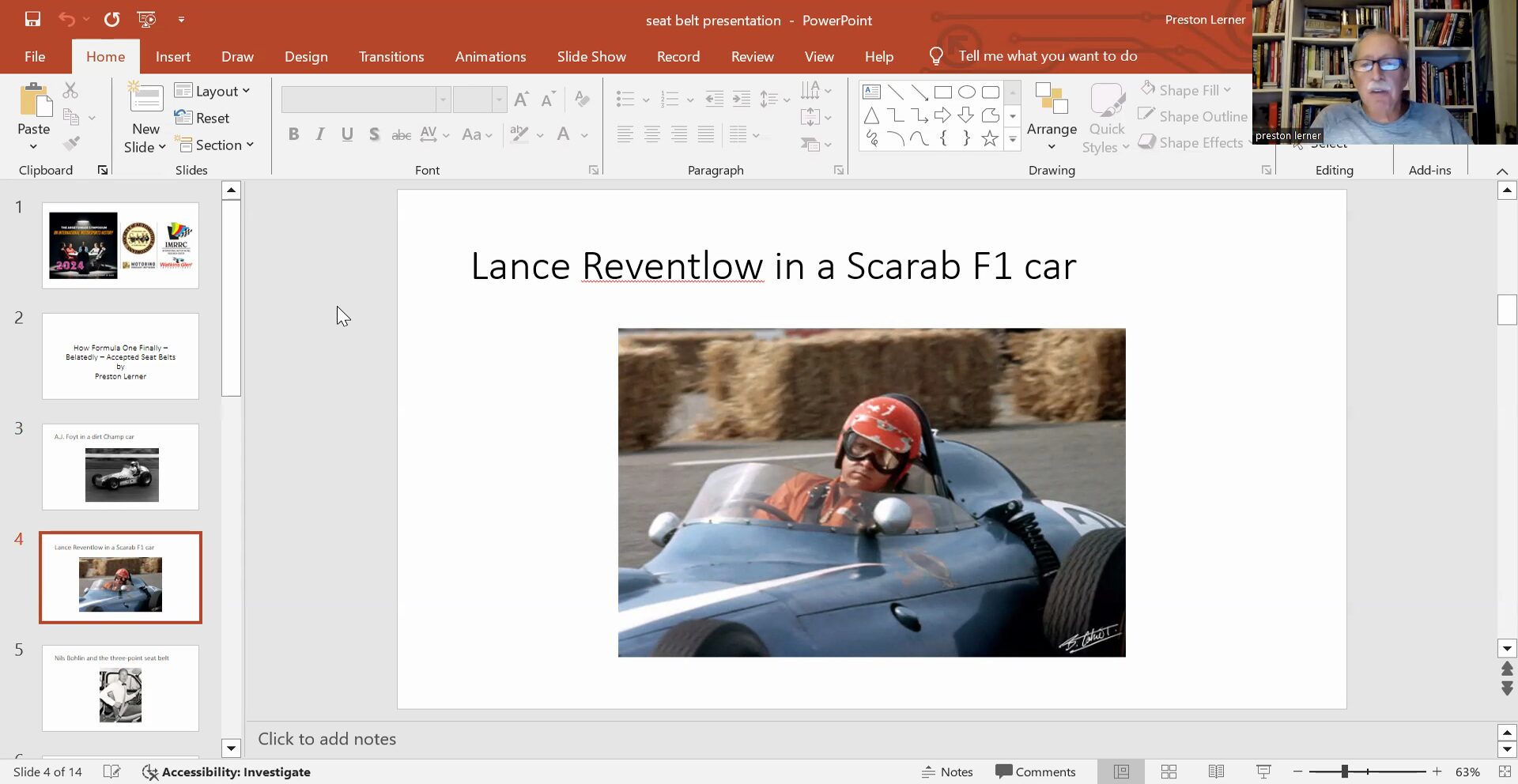
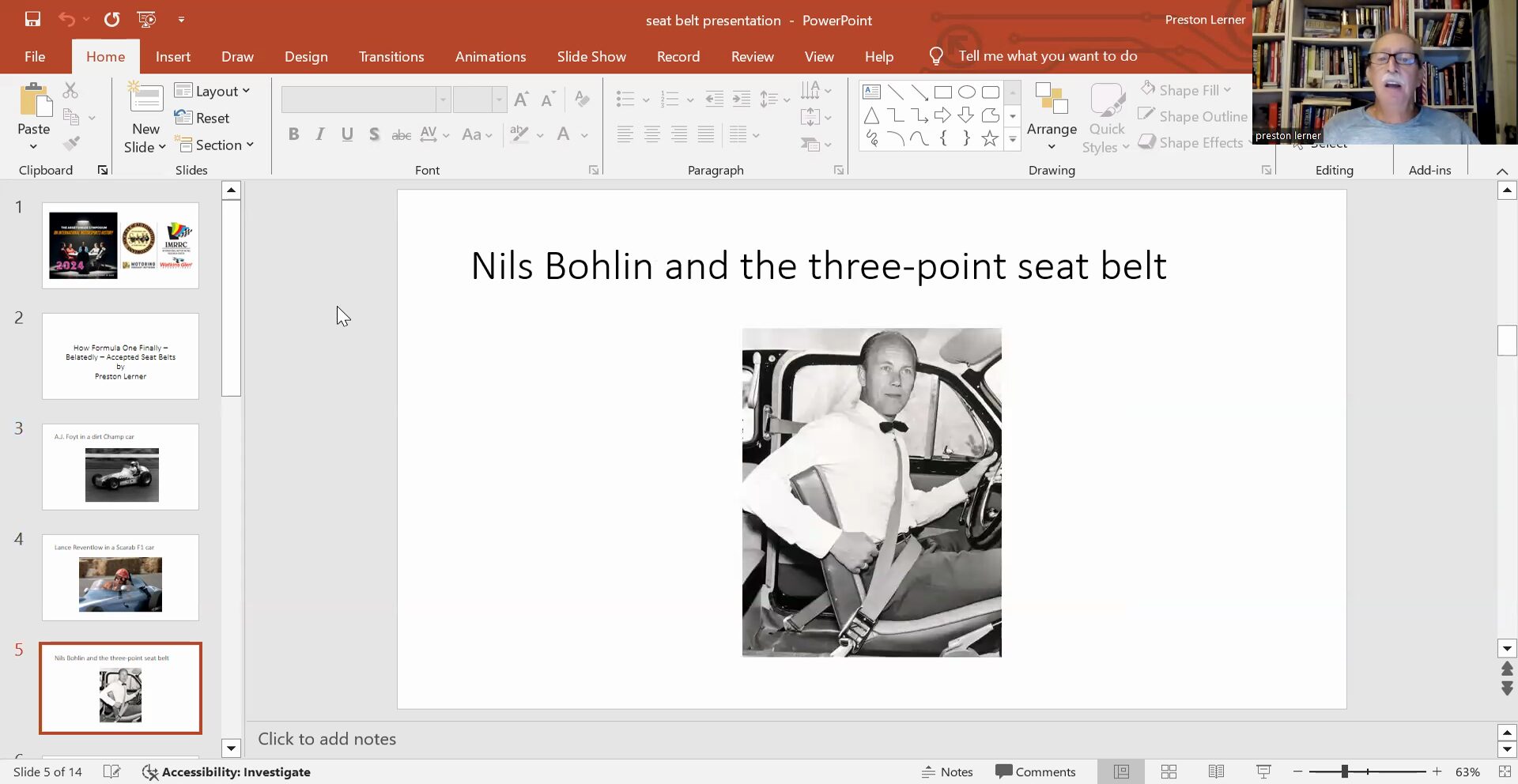
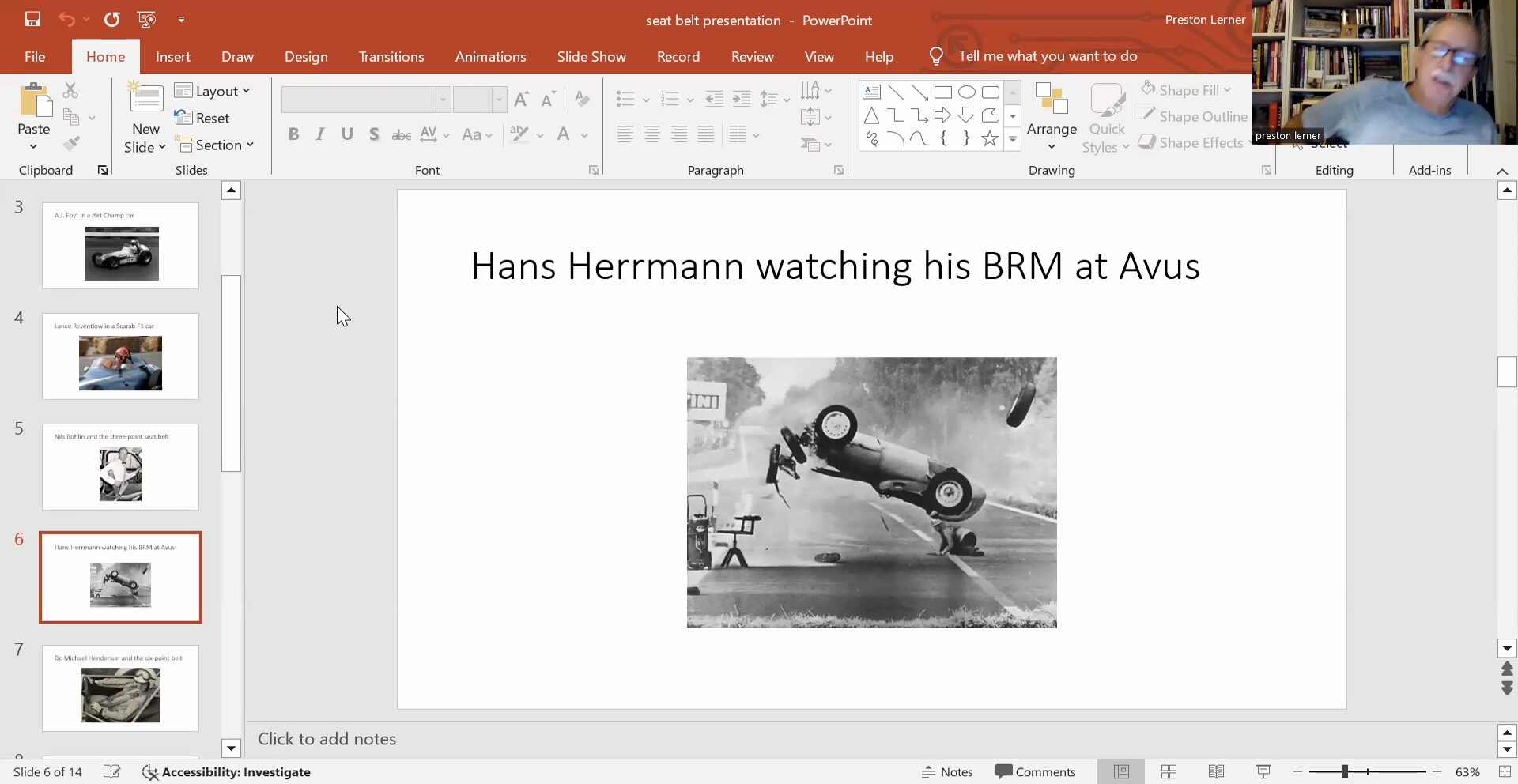
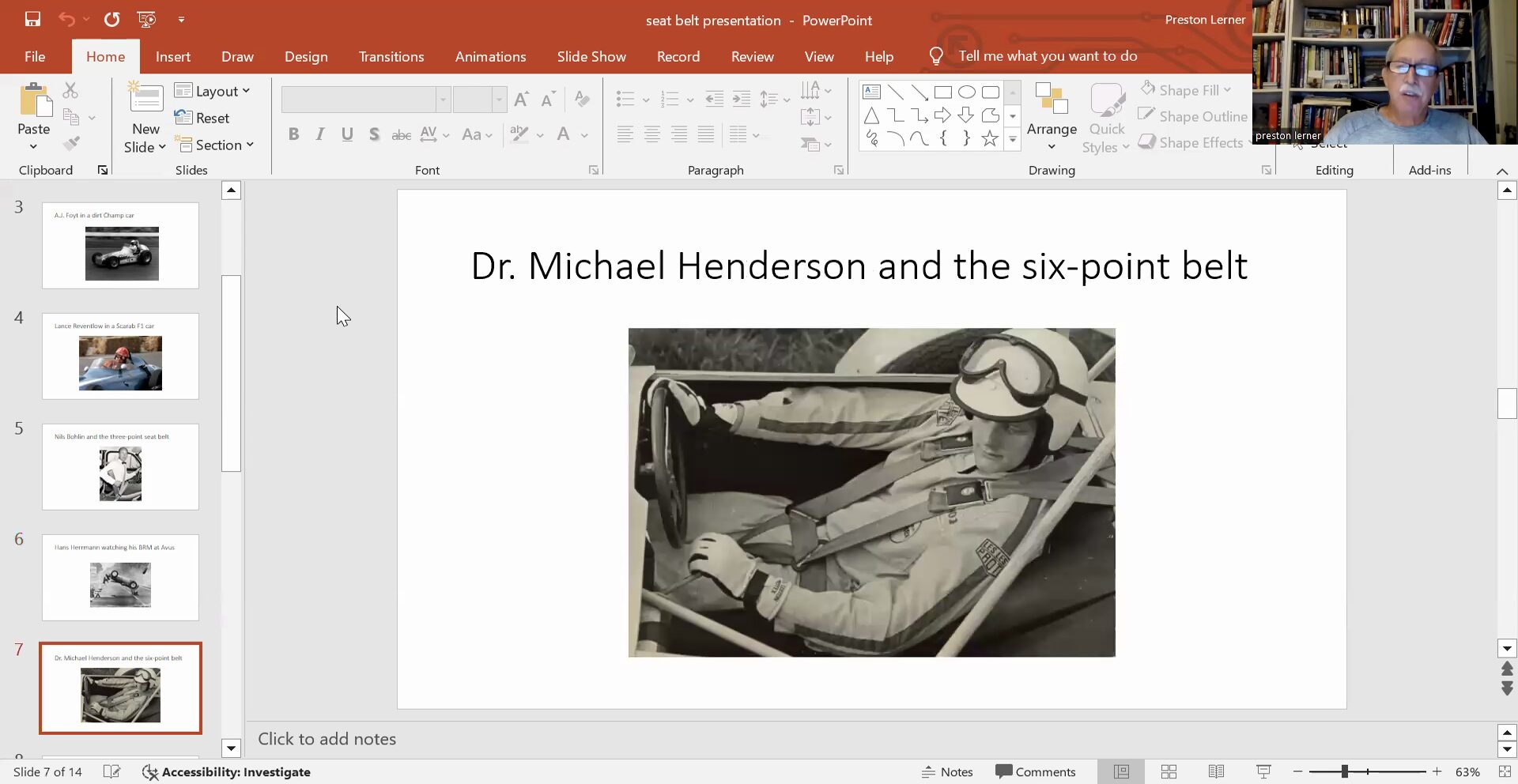
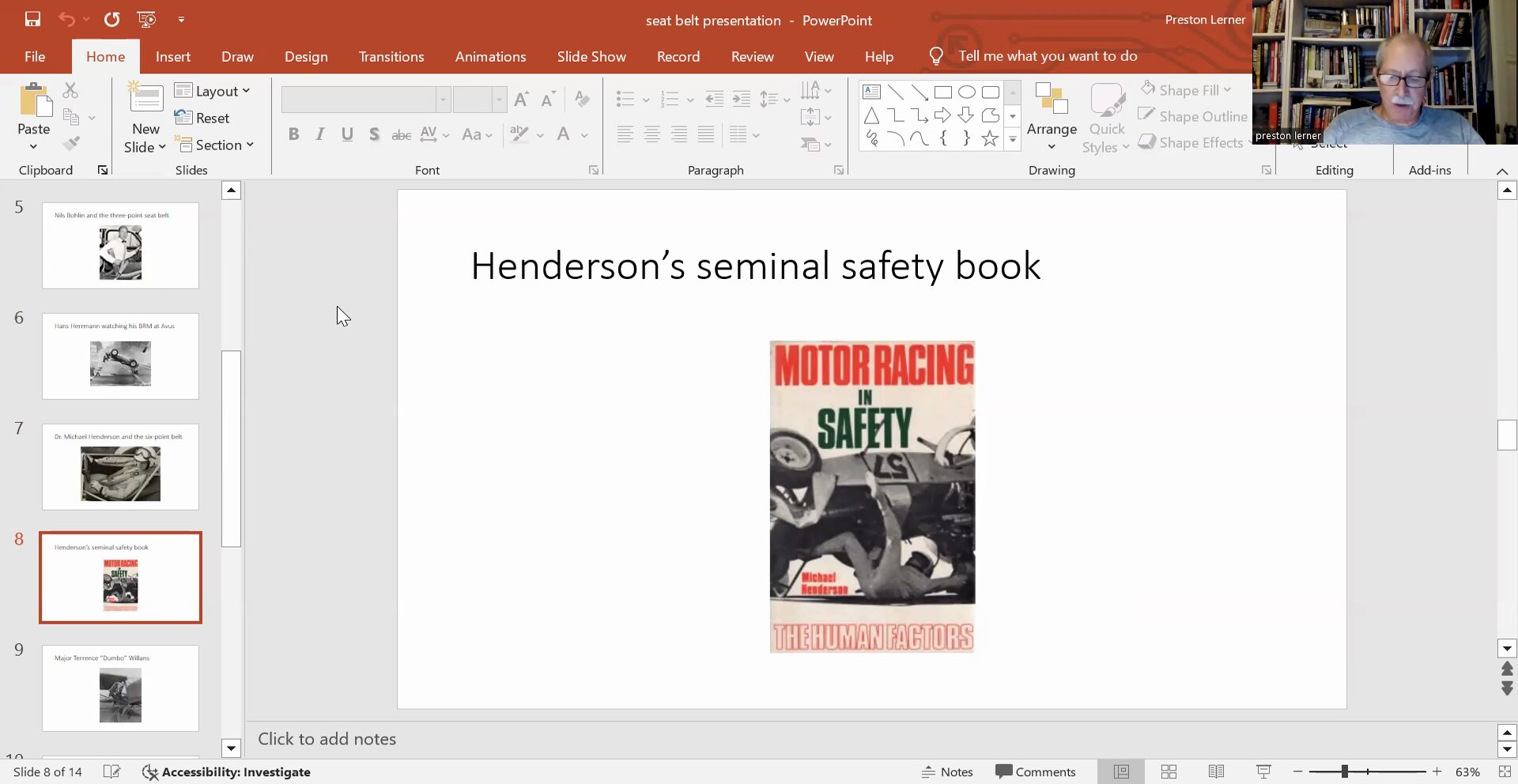
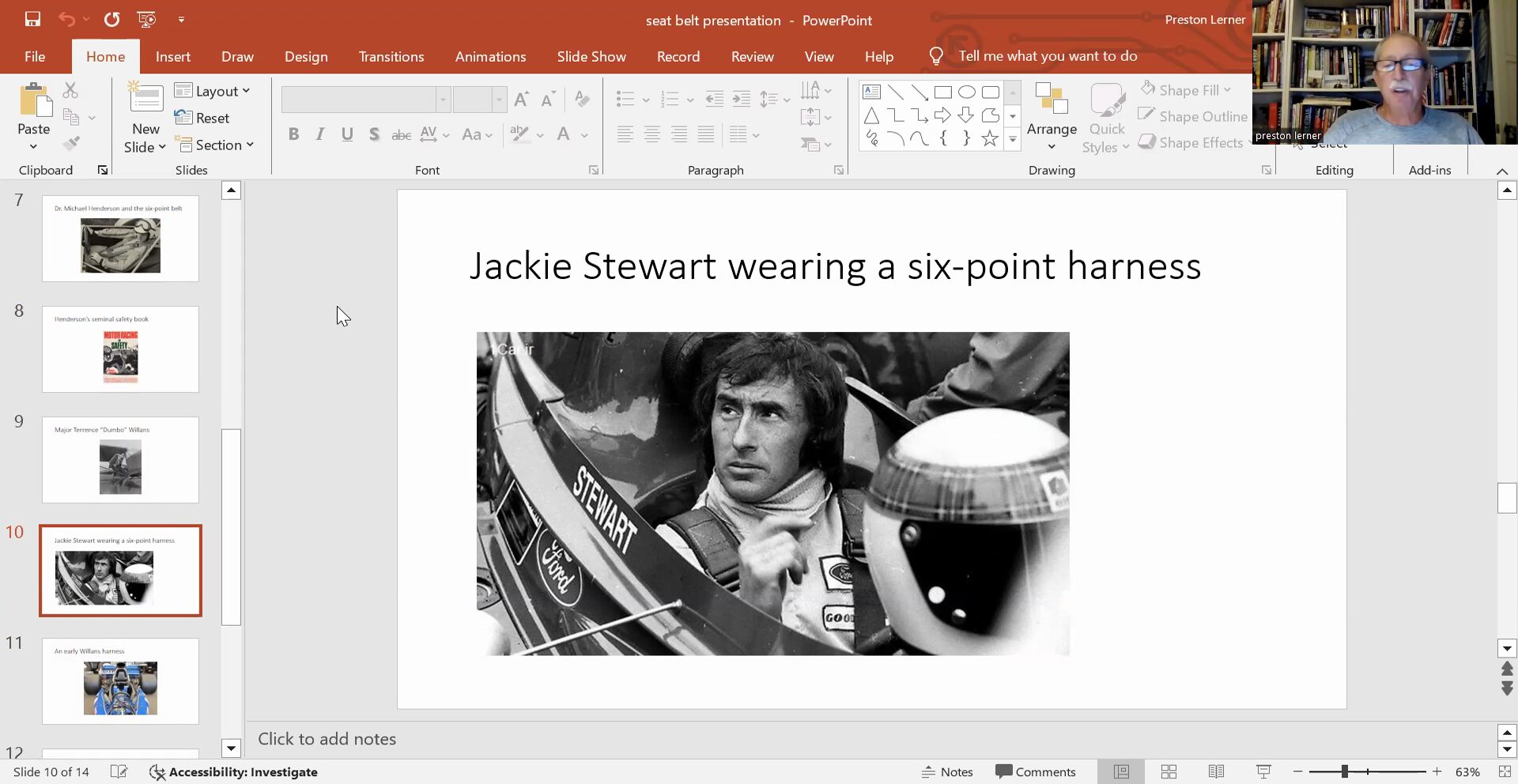
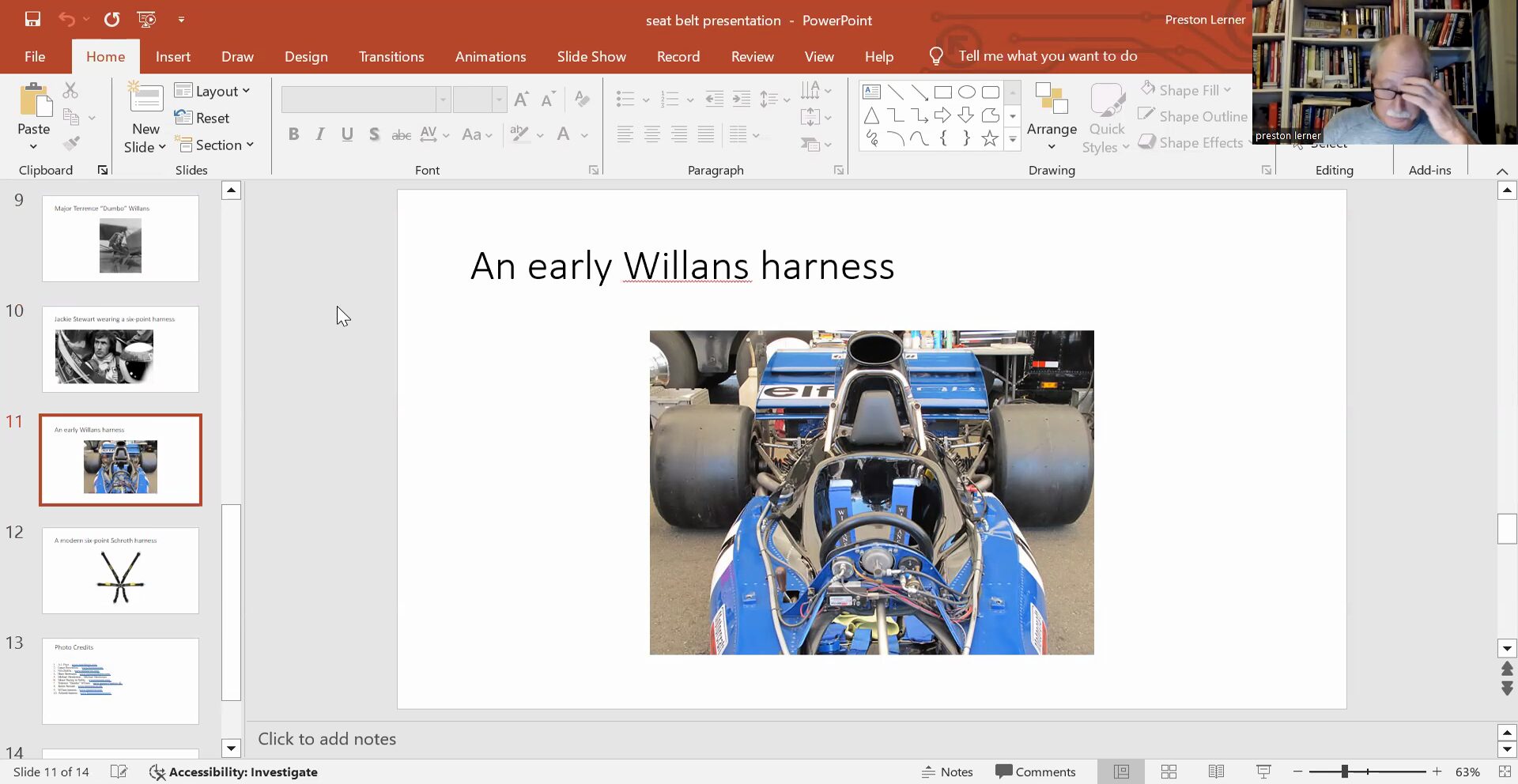
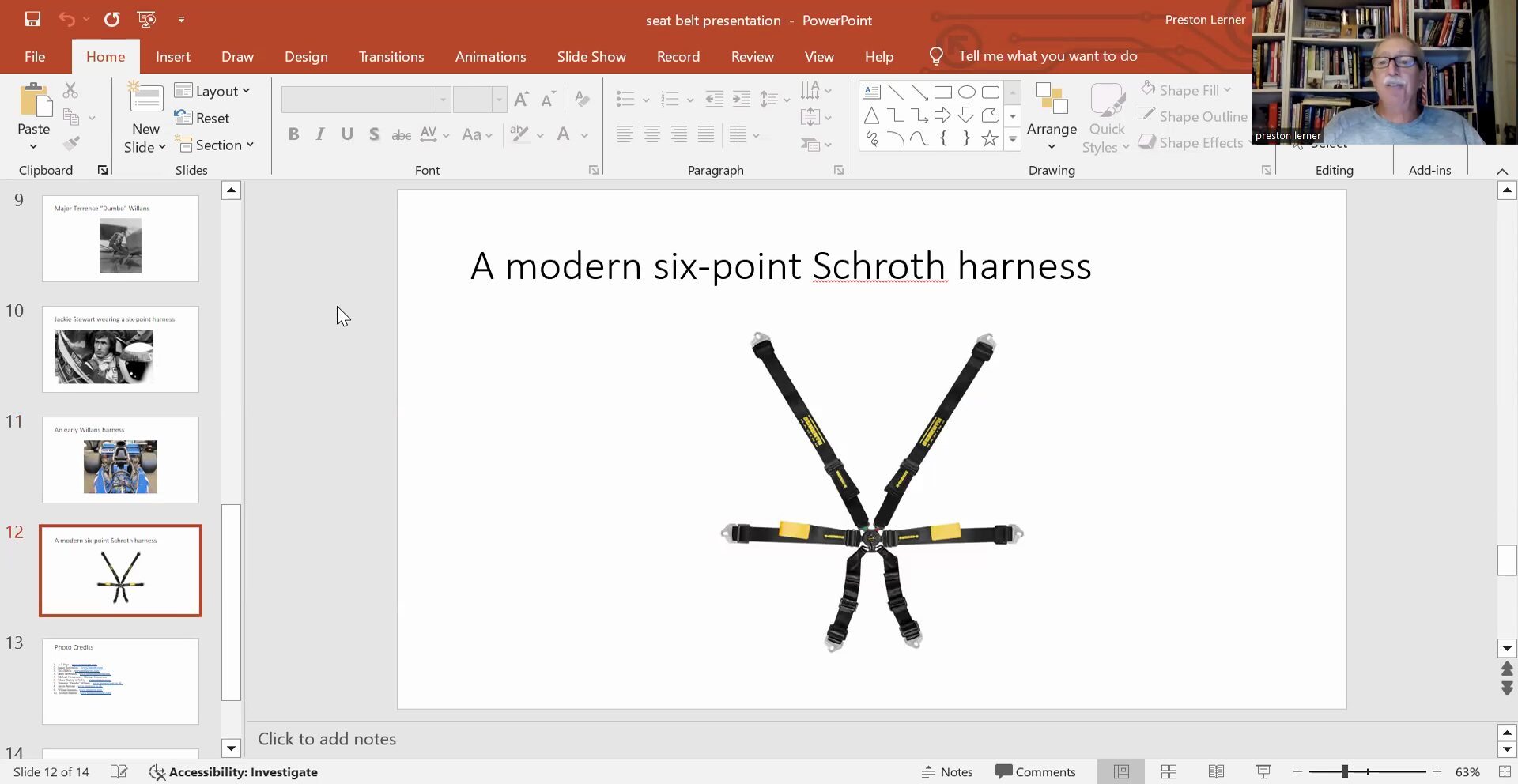
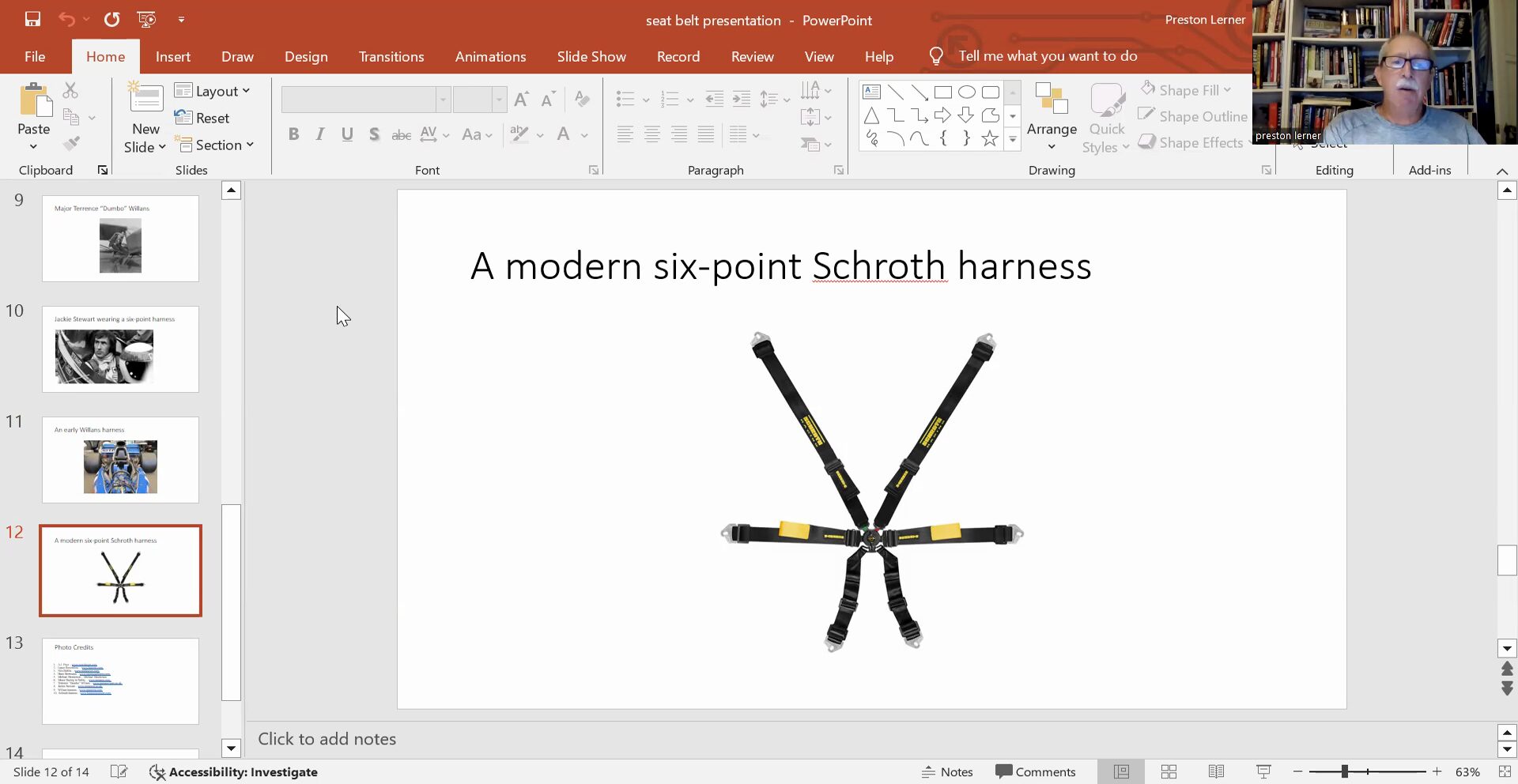
For the past half-century, the FIA has been the principal driver behind efforts to make racing safer. It wasn’t always so. Although the SCCA required seat belts in 1957, the FIA didn’t follow suit until 1972. From the dawn of road racing, conventional wisdom held that drivers should jump out of the cockpit when a crash was imminent – a technique perfected by Masten Gregory. This myth was conclusively exploded by a largely forgotten British physician by the name of Michael Henderson, who conducted crash investigations for the RAF. In 1968, Henderson – who moonlighted as a club racer and freelance journalist – wrote Motor Racing in Safety, the foundation text on the subject. At the same time, he fitted his own race cars with four-point harnesses augmented with an anti-submarine strap inspired by parachute design. This put him in touch with the redoubtable Terence “Dumbo” Willans, a record-setting parachutist who tested ejection seats for the RAF. Willans later went into business with another club racer, John Fenning. By 1969, six-point Willans harnesses were found in almost every car on the F1 grid. The battle for seat belts had been won almost before it started.



Bio

Preston Lerner is a freelance writer who has covered racing (and many other subjects) for the past four decades. For many years he was a regular
contributor to Automobile Magazine and Road & Track. Mr. Lerner is also the author or co-author of six books, most recently Shelby American: The Renegades Who Built the Cars, Won the Races, and Lived the Legend. The material used in “Television Turns Its Gaze on Motorsports” is drawn from his upcoming book, The Deadliest Decade, which will examine the safety, commercial, and technological developments that transformed racing from 1964-1973.
Slides
Swipe left or right (or use the arrows/dots) to navigate through the presentation slides as you follow along with the episode.

This episode is sponsored in part by: The International Motor Racing Research Center (IMRRC), The Society of Automotive Historians (SAH), The Watkins Glen Area Chamber of Commerce, and the Argetsinger Family – and was recorded in front of a live studio audience. And has been Edited, Remastered and Produced in partnership with the Motoring Podcast Network.
Other episodes you might enjoy